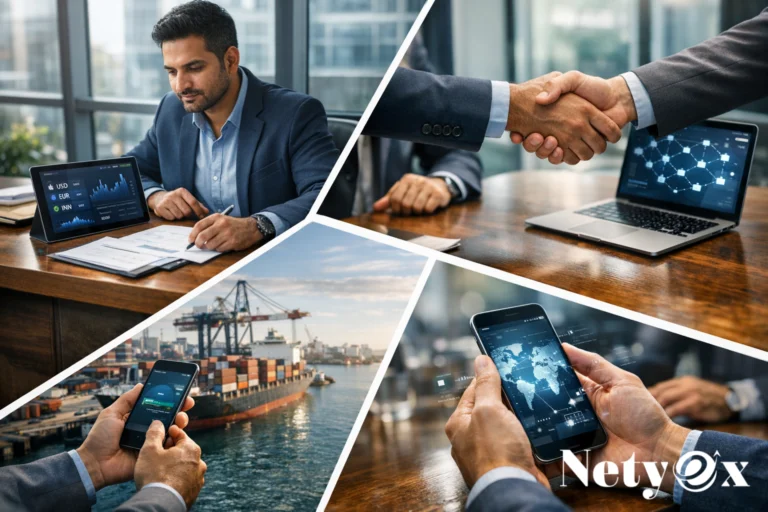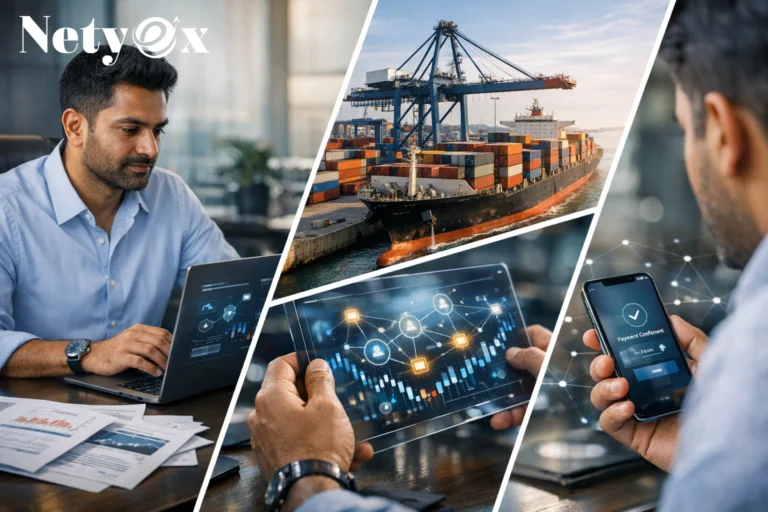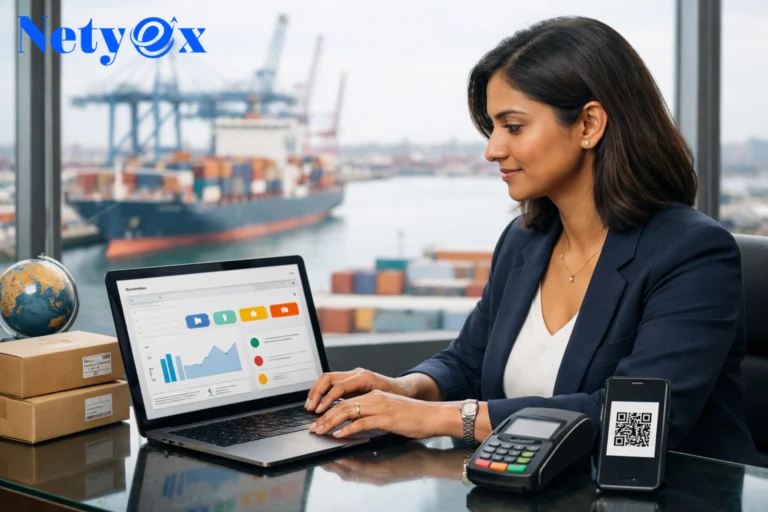



The Evolution of Global Exports
From Paper-Based Trade to Digital Ecosystems
For decades, exporting goods meant mountains of paperwork, long approval times, and high transaction costs. Bills of lading, letters of credit, customs documentation, and compliance forms often slowed down the process. Errors were common, and delays were costly.
Today, digital platforms are replacing traditional systems. Electronic documentation, cloud-based systems, and automated workflows are reducing friction. Exporters can now manage supply chains with real-time visibility, cutting down weeks of processing time into days—or even hours.
Rise of Cross-Border E-commerce
Small and medium-sized enterprises (SMEs) are no longer limited by geography. Digital marketplaces allow businesses to sell globally with ease. However, selling internationally requires secure payment systems, currency conversion, and compliance management.
This is where FinTech partnerships come in. By embedding financial services directly into e-commerce platforms, exporters can access financing, insurance, and payment tools without leaving their digital ecosystem.
Understanding FinTech in the Export Economy
Financial technology, or FinTech, refers to innovative digital solutions that improve financial services. In the export sector, FinTech plays a vital role in enabling cross-border transactions and trade finance.
Digital Payments Infrastructure
Traditional international transfers can take days and involve multiple intermediaries. FinTech solutions enable near-instant settlements, multi-currency wallets, and reduced transaction fees. Exporters benefit from faster cash flow, while buyers enjoy seamless payment options.
Modern payment gateways also provide transparent tracking, so businesses always know where their money is.
Embedded Finance in Trade Platforms
Embedded finance integrates financial services directly into business platforms. For exporters, this means access to loans, insurance, and payment tools without applying through traditional banks.
Instead of navigating complex banking systems, exporters receive tailored financial products within their operational platforms. This integration simplifies trade processes and enhances efficiency.
Why FinTech Partnerships Will Define the Future of Exports
The phrase Why FinTech Partnerships Will Define the Future of Exports captures a transformative shift in global commerce. These partnerships are powerful because they combine the innovation of FinTech firms with the stability and scale of traditional financial institutions.
Access to Trade Finance for SMEs
One of the biggest challenges exporters face is access to trade finance. Many SMEs struggle to secure loans due to limited credit history or lack of collateral.
FinTech companies use alternative data—such as transaction history, supply chain data, and customer behavior—to assess creditworthiness. This opens doors for small exporters who were previously excluded from financing opportunities.
By partnering with banks, FinTech firms can provide funding solutions that are both innovative and secure.
Speed and Cost Efficiency
Time is money in global trade. FinTech partnerships reduce processing times, eliminate unnecessary intermediaries, and automate manual tasks.
Benefits include:
- Faster cross-border payments
- Lower transaction fees
- Reduced paperwork
- Automated compliance checks
These improvements increase competitiveness for exporters in global markets.
Risk Mitigation and Transparency
International trade involves risks such as fraud, currency volatility, and non-payment. FinTech tools use blockchain technology and artificial intelligence to enhance transparency and security.
Blockchain creates immutable transaction records, reducing fraud. AI systems detect suspicious activity in real time. Together, these technologies build trust among global trading partners.
The Role of Data and Artificial Intelligence
Data is the new currency in global trade. FinTech partnerships leverage big data and AI to optimize decision-making.
Smart Credit Assessment Models
Traditional banks rely heavily on financial statements and credit scores. FinTech firms analyze broader datasets, including shipping records, invoice histories, and digital transactions.
This allows for:
- More accurate risk profiling
- Faster loan approvals
- Customized financing terms
As a result, exporters gain quicker access to working capital.
Real-Time Monitoring of Trade Flows
AI-powered systems track goods, payments, and documentation in real time. This reduces uncertainty and improves forecasting.
Businesses can anticipate delays, adjust supply chains, and manage inventory more effectively. Predictive analytics also help governments and institutions monitor economic trends.
Regulatory Technology (RegTech) in Exports
Compliance is a major concern in cross-border trade. Each country has unique regulations, taxes, and reporting requirements.
KYC and AML Streamlining
Know Your Customer (KYC) and Anti-Money Laundering (AML) checks are essential but often time-consuming. FinTech solutions automate identity verification and compliance screening.
This speeds up onboarding for exporters while maintaining strict security standards.
Cross-Border Regulatory Alignment
RegTech platforms help businesses comply with multiple jurisdictions simultaneously. Automated systems ensure documentation meets international standards, reducing the risk of penalties.
By simplifying compliance, FinTech partnerships encourage smoother global trade operations.
Impact on Emerging Markets
FinTech partnerships are particularly transformative in developing economies.
Bridging Banking Gaps
In many regions, traditional banking infrastructure is limited. Mobile-based financial services allow exporters to participate in global trade without physical bank branches.
Digital wallets and mobile lending platforms expand financial inclusion and reduce barriers to entry.
Empowering Small Exporters
Access to digital financing and global payment networks levels the playing field. Small businesses can now compete with larger corporations on international platforms.
This economic empowerment fosters job creation, innovation, and regional growth.
Challenges in FinTech Collaborations
While the future looks promising, partnerships also face hurdles.
Cybersecurity Concerns
As trade becomes digital, cyber threats increase. Protecting sensitive financial data requires strong encryption, regular audits, and constant vigilance.
Partnerships must invest in robust cybersecurity frameworks to maintain trust.
Legacy System Integration
Traditional banks often operate on outdated systems. Integrating modern FinTech solutions can be complex and costly.
Successful partnerships require strategic planning, technological upgrades, and skilled professionals.
The Future Landscape of Export Finance
Looking ahead, digital transformation will accelerate.
Central Bank Digital Currencies (CBDCs)
CBDCs may revolutionize cross-border settlements by reducing reliance on correspondent banking networks. Instant settlement and reduced currency exchange costs could significantly boost export efficiency.
API-Driven Global Trade Networks
Application Programming Interfaces (APIs) enable seamless communication between platforms. Exporters, banks, logistics providers, and customs authorities can share data instantly.
This interconnected ecosystem creates a unified, efficient trade environment.
Frequently Asked Questions
1. What are FinTech partnerships in exports?
They are collaborations between financial technology companies and traditional financial institutions to provide digital financial services for exporters.
2. How do FinTech partnerships benefit small exporters?
They improve access to trade finance, reduce transaction costs, and provide faster payment solutions.
3. Are FinTech solutions secure for international trade?
Yes, most use advanced encryption, AI fraud detection, and blockchain to enhance security.
4. Can FinTech replace traditional banks in export finance?
Rather than replacing banks, FinTech firms often collaborate with them to create hybrid solutions that combine innovation with regulatory stability.
5. What role does AI play in export finance?
AI analyzes data for credit scoring, risk management, fraud detection, and trade forecasting.
6. Why is speed important in global exports?
Faster payments and approvals improve cash flow, reduce delays, and increase competitiveness.
7. How will digital currencies affect exports?
They may enable instant cross-border settlements, lowering costs and increasing transparency.
Conclusion
Global trade is undergoing a digital revolution. As technology reshapes finance, the question is no longer whether innovation will impact exports—but how deeply.
The reality is clear: Why FinTech Partnerships Will Define the Future of Exports lies in their ability to unlock capital, reduce friction, enhance security, and empower businesses worldwide. By combining technological agility with financial expertise, these partnerships create a more inclusive and efficient trade ecosystem.
Exporters who embrace this transformation will gain a competitive edge. Those who hesitate may struggle to keep up in an increasingly digital marketplace.
The future of exports isn’t just about moving goods—it’s about moving money smarter, faster, and safer. And FinTech partnerships are leading the way.