


Introduction
In recent years, global demand for home and garden products has grown significantly. Buyers across the world are looking for products that combine quality, craftsmanship, sustainability, and affordability. One country that consistently meets these expectations is India. It is no surprise that Why Indian Home & Garden Products Are Popular Among Importers has become a frequently discussed topic in international trade circles.
India has long been recognized for its rich heritage of handicrafts, natural materials, and skilled artisans. These qualities have allowed Indian manufacturers to produce home and garden products that appeal to international buyers seeking both aesthetic beauty and practical functionality. From handcrafted décor to durable garden furniture, India offers a wide variety of products that fit modern lifestyle trends.
Importers also value India’s ability to produce items in large quantities while maintaining quality standards. With a combination of traditional craftsmanship and modern manufacturing techniques, Indian exporters provide a balance between authenticity and efficiency. Additionally, favorable pricing and diverse product ranges make India a competitive sourcing destination for global retailers.
Another key factor contributing to India’s popularity among importers is its growing focus on eco-friendly production methods. Many Indian manufacturers use recycled materials, sustainable wood, natural fibers, and environmentally responsible practices. This aligns with the increasing demand from consumers worldwide for environmentally conscious products.
This article explores the major reasons why Indian home and garden products attract international buyers. It examines factors such as craftsmanship, affordability, product diversity, sustainability, and global market demand. By understanding these aspects, importers can better appreciate the unique advantages India offers as a sourcing hub for home and garden goods.
The Rich Tradition of Indian Craftsmanship
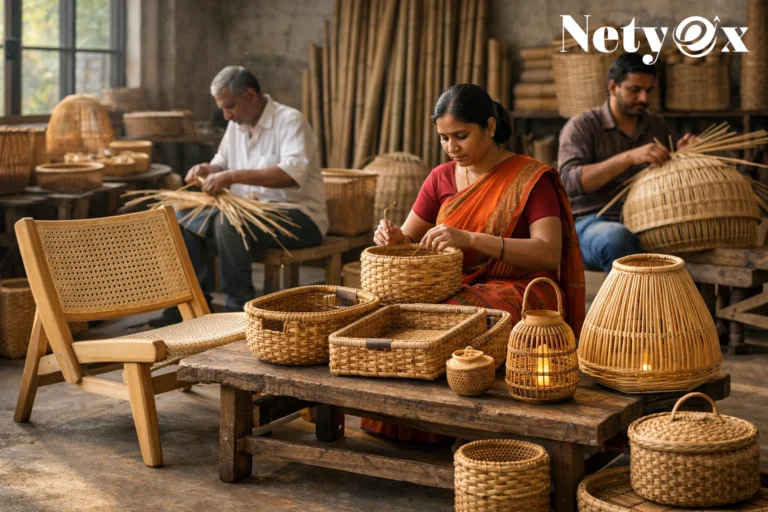
One of the strongest reasons importers prefer Indian home and garden products is the country’s long-standing tradition of craftsmanship. Indian artisans have been practicing their crafts for generations, passing down techniques and skills through families and communities.
Handcrafted Excellence
Unlike mass-produced goods that often lack uniqueness, many Indian products are handcrafted, giving them a distinctive appeal. Handmade décor items, garden ornaments, lanterns, and furniture carry intricate details that reflect cultural heritage and artistic dedication.
Handcrafted products offer several benefits:
- Unique designs that stand out in global markets
- Attention to detail and superior finishing
- Cultural authenticity valued by international buyers
- Higher perceived value among consumers
Importers often find that customers are willing to pay more for handcrafted items because they feel more personal and artistic.
Cultural Design Influence
Indian home and garden products often incorporate elements inspired by the country’s diverse cultural traditions. Motifs, patterns, and designs are influenced by centuries of artistic development across different regions.
Examples include:
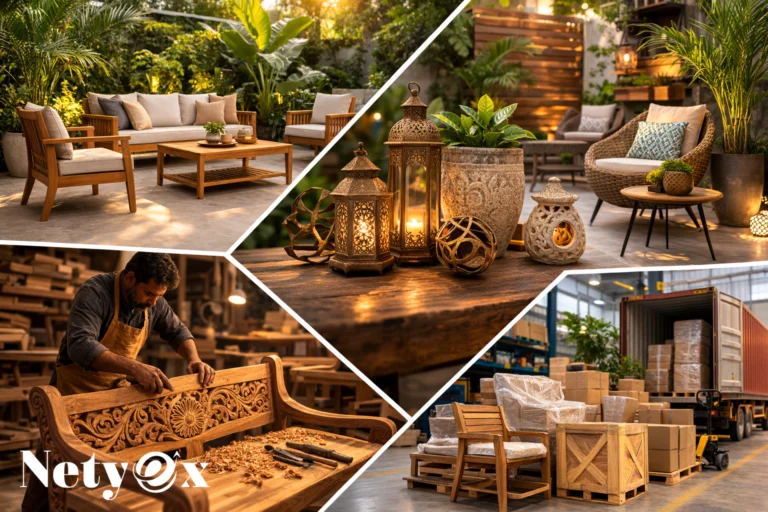
- Traditional carvings in wooden furniture
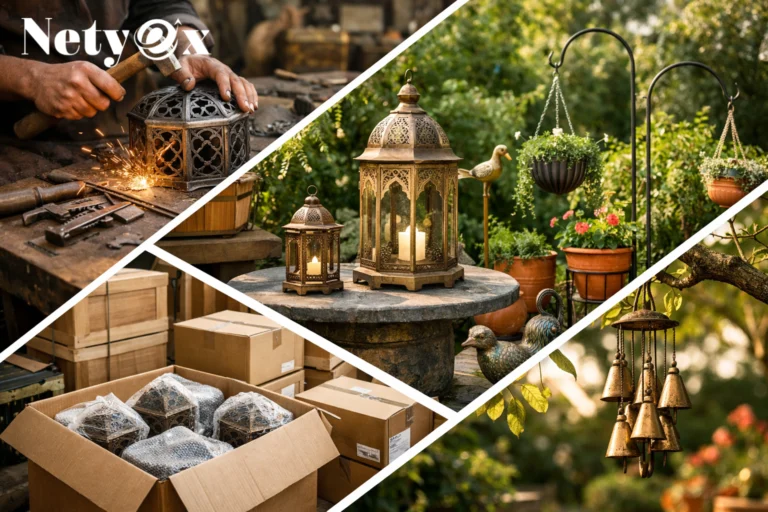
- Decorative metal lanterns with intricate patterns
- Textile-based home décor featuring regional prints
- Ceramic planters with handcrafted finishes
These cultural elements give Indian products a distinctive identity that appeals to buyers seeking unique décor pieces for homes and outdoor spaces.
Competitive Pricing and Cost Efficiency
Another important factor explaining why Indian home & garden products are popular among importers is their competitive pricing. India offers a favorable balance between cost and quality, which is essential for international buyers.
Lower Manufacturing Costs
India benefits from relatively lower labor and production costs compared to many Western countries. This allows manufacturers to produce high-quality goods at prices that remain attractive to global buyers.
Importers benefit from:
- Affordable bulk purchasing options
- Higher profit margins for retailers
- Competitive retail pricing for customers
Because of this cost advantage, many international companies prefer sourcing from India instead of other manufacturing hubs.
Value for Money
While lower costs are attractive, quality remains equally important. Indian suppliers often provide excellent value for money, offering durable products at reasonable prices.
For example:
- Solid wood furniture at competitive rates
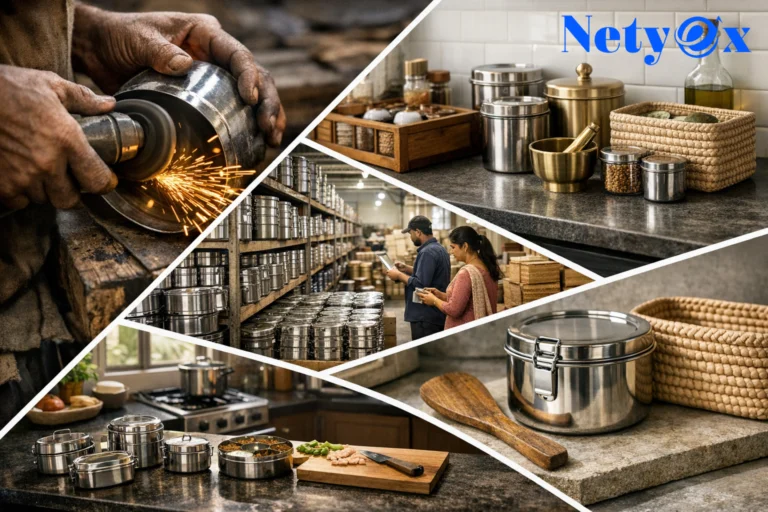
- Metal garden décor with strong durability
- Handcrafted ceramic and stone planters
This balance between price and quality strengthens India’s position in the global home and garden products market.
Wide Variety of Product Categories
Another key reason importers choose Indian suppliers is the extensive variety of products available. India produces a wide range of home and garden items that cater to different consumer tastes and styles.
Home Décor Products
India is known for producing beautiful home décor items such as:
- Decorative lanterns and candle holders
- Handcrafted wall art
- Wooden sculptures and carvings
- Textiles such as cushion covers and table runners
These products often combine traditional designs with modern aesthetics, making them suitable for contemporary homes worldwide.
Garden and Outdoor Products
In addition to indoor décor, India also exports numerous garden products including:
- Outdoor furniture
- Metal and ceramic planters
- Garden statues and decorative sculptures
- Hanging lanterns and lighting accessories
This wide product range allows importers to source multiple items from a single supplier, simplifying logistics and purchasing processes.
Use of Natural and Sustainable Materials
Sustainability has become a major priority for consumers and businesses alike. Many importers prefer suppliers that follow eco-friendly practices. Indian manufacturers often use natural materials that align with these sustainability goals.
Eco-Friendly Raw Materials
Common materials used in Indian home and garden products include:
- Reclaimed wood
- Bamboo and cane
- Jute and cotton textiles
- Terracotta and ceramic clay
- Recycled metal and glass
These materials not only reduce environmental impact but also add a natural aesthetic that consumers increasingly appreciate.
Growing Demand for Sustainable Products
Global buyers are actively seeking sustainable alternatives to plastic or synthetic materials. Indian manufacturers are well positioned to meet this demand because many traditional crafts already rely on natural resources.
As a result, importers can offer environmentally responsible products while maintaining attractive designs and durability.
Strong Export Infrastructure
India has developed a strong export ecosystem that supports international trade. This infrastructure plays an important role in why importers feel confident sourcing products from the country.
Established Export Hubs
Several cities in India are known as major manufacturing and export centers for home and garden products. These regions specialize in specific materials or product types, making them reliable sourcing locations.
Manufacturers in these hubs often have:
- Large production facilities
- Skilled labor forces
- Experience handling international orders
- Established shipping networks
Compliance with Global Standards
Many Indian exporters follow international quality and safety standards required by global markets. This includes proper packaging, labeling, and compliance with environmental regulations.
For importers, this ensures smoother customs clearance and fewer logistical issues during international shipments.
Customization and Flexible Production
Importers often need products tailored to specific markets or brand requirements. Indian manufacturers are known for offering flexible customization options.
Private Label and Custom Designs
Many exporters provide services such as:
- Custom product designs
- Private labeling for retail brands
- Customized packaging
- Adjustments in materials or colors
This flexibility allows importers to create unique product lines that stand out in competitive retail markets.
Small and Large Order Capability
Indian manufacturers are capable of handling both small trial orders and large bulk orders. This makes it easier for new importers to test products before committing to larger shipments.
Growing Global Demand for Indian Products
The popularity of Indian home and garden products is also driven by increasing global demand. Consumers worldwide appreciate products that combine tradition with modern design.
Popular Markets
Indian exporters supply products to several international markets, including:
- North America
- Europe
- Australia
- Middle East
- Southeast Asia
Retailers in these regions often highlight Indian craftsmanship as a unique selling point.
Online Retail Expansion
The rise of online marketplaces has also increased demand for distinctive décor items. Indian home and garden products perform well on e-commerce platforms because they offer designs that stand out from mass-produced goods.
FAQs About Why Indian Home & Garden Products Are Popular Among Importers
1. Why do importers prefer Indian home and garden products?
Importers prefer Indian products because they offer a combination of quality craftsmanship, competitive pricing, and unique designs. The availability of sustainable materials and customization options also adds to their appeal.
2. What types of home and garden products does India export?
India exports a wide range of products including decorative lanterns, furniture, ceramic planters, garden statues, wall décor, textiles, and outdoor lighting accessories.
3. Are Indian home and garden products eco-friendly?
Many Indian manufacturers use sustainable materials such as reclaimed wood, bamboo, terracotta, and recycled metals, making their products environmentally friendly.
4. Is it expensive to import products from India?
Generally, importing from India is cost-effective because manufacturing costs are relatively low while maintaining good quality standards.
5. Can importers request customized products from Indian suppliers?
Yes, many Indian manufacturers offer customization options including private labeling, design modifications, and customized packaging.
6. Which countries import the most Indian home and garden products?
Major importing regions include the United States, Europe, Australia, and the Middle East, where demand for unique handcrafted décor continues to grow.
Conclusion
Understanding Why Indian Home & Garden Products Are Popular Among Importers requires looking at several key factors. India offers a unique combination of traditional craftsmanship, diverse product ranges, sustainable materials, and competitive pricing. These advantages make the country an attractive sourcing destination for global buyers.
The artistry of Indian craftsmen ensures that products stand out in international markets, while modern manufacturing capabilities allow suppliers to meet large-scale demands. At the same time, the use of eco-friendly materials aligns with the growing global emphasis on sustainability.
Importers also benefit from flexible customization options, reliable export infrastructure, and the ability to source multiple product categories from a single country. These factors simplify business operations and improve profitability for international retailers.
As global consumers continue to seek unique and environmentally responsible home décor and garden products, India’s position as a leading exporter is likely to strengthen further. For importers looking to expand their product offerings with distinctive and high-quality items, Indian home and garden products remain an excellent choice.