

The Growing Global Demand for Indian Wall Art and Decorative Pieces
In recent years, Indian wall art and decorative pieces have become increasingly popular among international buyers and importers. From handcrafted wooden panels to intricate metal wall hangings, Indian décor products offer a unique combination of artistry, cultural heritage, and affordability. These features make them highly desirable in global home décor markets.
Importers across the United States, Europe, Australia, and the Middle East are constantly looking for distinctive products that stand out in their retail collections. Indian wall art meets this demand perfectly. The pieces are not just decorative; they tell stories of tradition, craftsmanship, and centuries-old artistic techniques.
The growing global trend toward handmade, sustainable, and culturally inspired décor has further boosted demand. Consumers today want more than mass-produced items—they want meaningful décor that reflects personality and culture. Indian artisans provide exactly that.
Another reason behind the rising demand is India’s vast diversity of materials and artistic styles. From metal and wood to textiles and ceramics, the country offers an enormous range of décor items suitable for various interior design themes.
For importers, sourcing from India means access to:
- A wide variety of unique products
- Skilled artisans and traditional craftsmanship
- Competitive pricing
- Customization options
- Reliable export networks
Because of these advantages, Indian wall art and decorative pieces have become a favorite category for global décor importers.
Rich Cultural Heritage Behind Every Piece
One of the strongest reasons importers prefer Indian décor products is the deep cultural heritage embedded in every design. India has thousands of years of artistic traditions, and many wall art styles are influenced by ancient architecture, mythology, and regional cultures.
Many decorative pieces reflect cultural themes such as:
- Traditional Indian motifs
- Religious symbolism
- Folk art patterns
- Nature-inspired designs
- Royal Mughal influences
These artistic elements make Indian décor items visually distinctive compared to mass-produced décor found in many global markets.
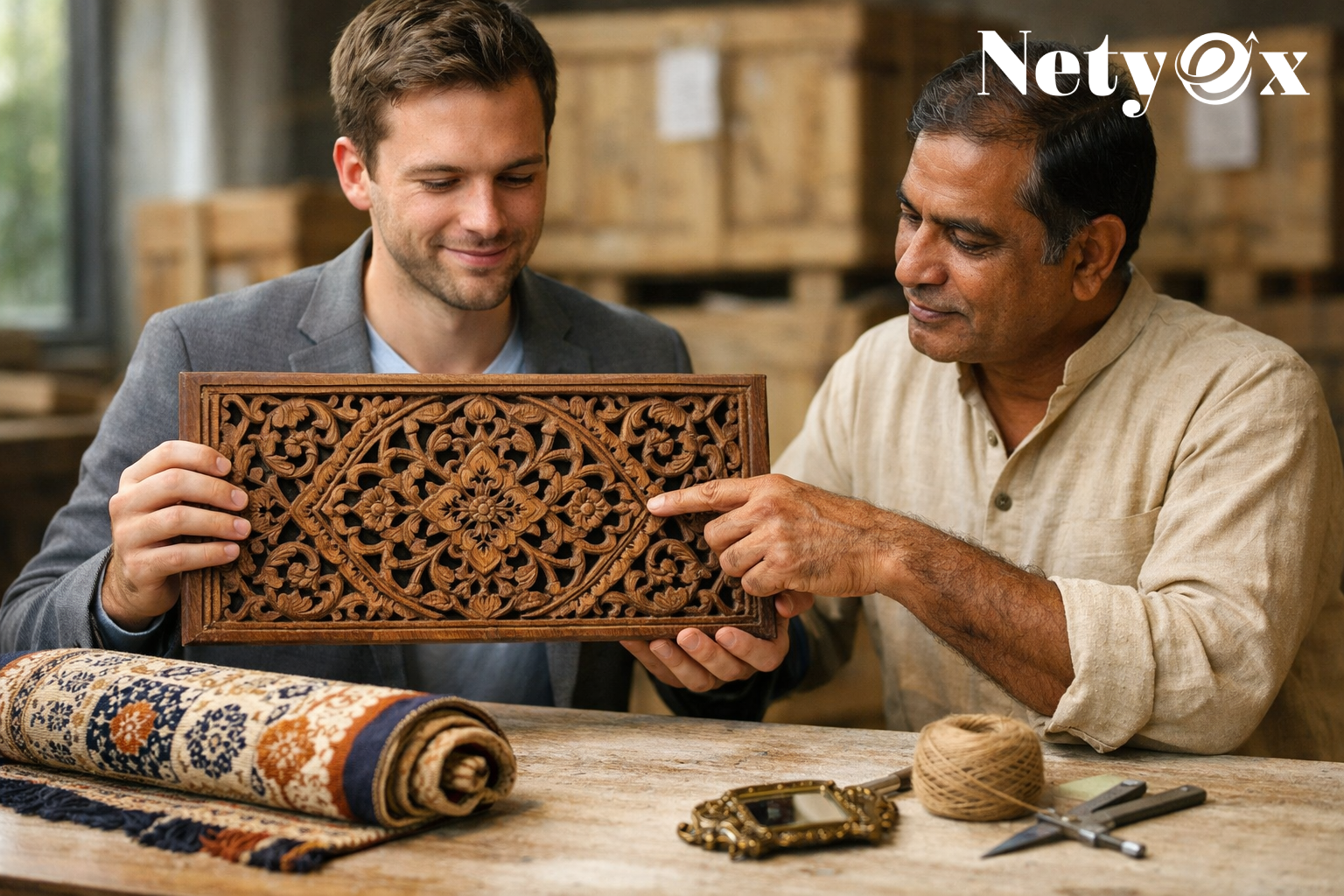
For example, wall panels often feature carvings inspired by temple architecture. Metal wall hangings may showcase motifs of elephants, lotus flowers, or peacocks, all of which hold symbolic meaning in Indian culture.
Importers appreciate this storytelling aspect because it allows retailers to sell products with a narrative and cultural value, which increases consumer interest and perceived product value.
Exceptional Handcrafted Quality
Another major reason importers are attracted to Indian wall art is the high level of craftsmanship. Many decorative pieces are handmade by skilled artisans who have inherited their craft through generations.
Unlike factory-produced décor items, handmade pieces involve:
- Detailed carving
- Intricate engraving
- Hand painting
- Skilled metal shaping
- Precision finishing
These techniques require patience, experience, and creativity.
Handcrafted products also have a unique character. Slight variations in design or finish make each piece one-of-a-kind, which is highly appealing in premium décor markets.
Importers value these products because handmade décor often commands higher retail prices while still maintaining good profit margins.
Wide Variety of Materials and Designs
India offers an incredibly diverse selection of materials used in wall art and decorative pieces. This variety gives importers the flexibility to cater to different interior design trends and customer preferences.
Common materials used include:
Wooden Wall Art
Wooden décor items are among the most popular export products. Artisans carve and polish wood to create decorative panels, frames, and sculptural wall pieces.
Popular wood types include:
- Mango wood
- Teak wood
- Sheesham wood
These materials are durable and ideal for rustic or traditional interiors.
Metal Wall Décor
Metal art is another highly demanded category. Indian artisans create stunning wall pieces using metals such as:
- Iron
- Brass
- Aluminum
- Copper
Metal wall art often features geometric patterns, floral motifs, or abstract designs.
Textile Wall Hangings
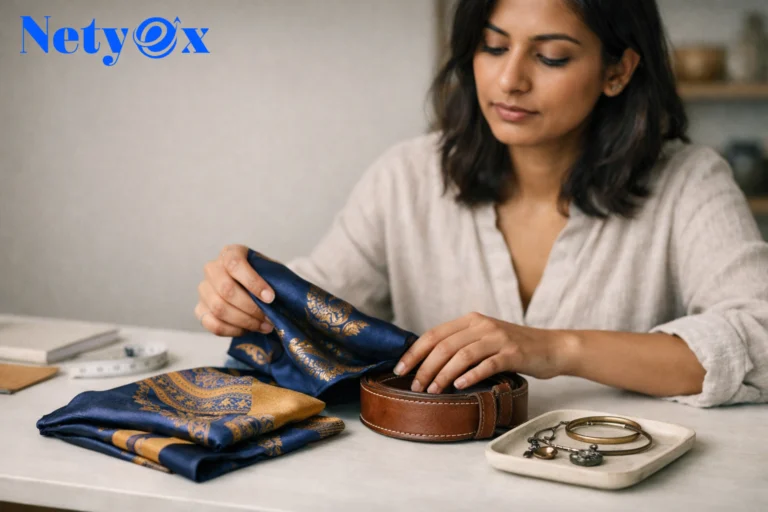
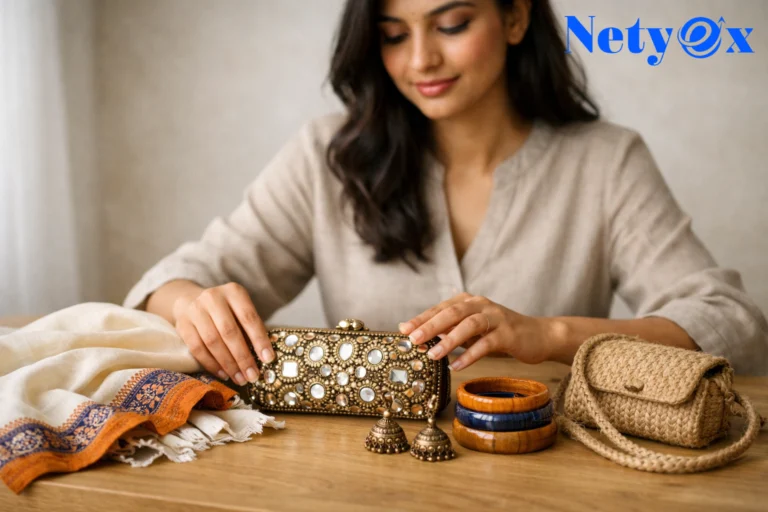
India is also known for its textile craftsmanship. Decorative textile wall hangings include:
- Embroidered tapestries
- Handwoven fabric panels
- Mirror-work decorations
These items add texture and warmth to modern interiors.
Mixed-Material Designs
Many modern décor items combine materials such as wood and metal or fabric and beads, creating contemporary pieces that appeal to modern home décor markets.
Competitive Pricing for Importers
One of the biggest advantages of sourcing from India is cost efficiency. Indian manufacturers can produce high-quality decorative items at competitive prices due to several factors:
- Availability of skilled labor
- Access to local raw materials
- Established craft communities
- Efficient production techniques
For importers, this means they can purchase unique handcrafted décor products at lower wholesale costs compared to similar products made in other countries.
This pricing advantage allows businesses to:
- Maintain strong profit margins
- Offer competitive retail prices
- Scale their product lines more easily
As a result, many décor retailers rely heavily on Indian suppliers for their product collections.
Strong Artisan Communities and Craft Traditions
India is home to thousands of artisan communities specializing in different forms of decorative art. Many of these communities have practiced their crafts for centuries.
Some regions are famous for specific styles of wall art, including:
- Rajasthan for carved wooden panels
- Moradabad for metal handicrafts
- Gujarat for textile décor
- Uttar Pradesh for brass art
These artisan clusters ensure consistent production capacity and specialized expertise.
Importers benefit from working with these communities because they can access authentic handcrafted products that cannot be easily replicated elsewhere.
Customization Opportunities for Global Markets
Customization is another key factor that attracts importers to Indian décor manufacturers.
Many exporters offer flexible production options such as:
- Custom sizes
- Color variations
- Private labeling
- Exclusive design collections
Retail brands often require products tailored to their market trends, and Indian manufacturers are known for their willingness to adapt designs accordingly.
For example, a retailer in Europe might request neutral color palettes, while a Middle Eastern buyer may prefer more ornate metallic finishes.
This adaptability helps importers create unique product lines that stand out in competitive markets.
Eco-Friendly and Sustainable Production
Sustainability has become an important factor in global consumer purchasing decisions. Many Indian decorative pieces are produced using eco-friendly methods and materials.
Common sustainable practices include:
- Use of reclaimed wood
- Handcrafted production with minimal machinery
- Natural dyes and finishes
- Small-scale artisan workshops
Because handmade production often requires less energy than large-scale industrial manufacturing, these products have a lower environmental footprint.
Importers increasingly prioritize eco-conscious suppliers, and Indian handicraft producers are well-positioned to meet these expectations.
Strong Export Infrastructure
India has developed a robust export ecosystem for handicrafts and home décor products. Many manufacturers are experienced exporters who understand international trade requirements.
Export-ready suppliers typically provide:
- Proper packaging for international shipping
- Compliance with safety standards
- Documentation for customs clearance
- Reliable logistics partnerships
Government initiatives and export promotion councils also support handicraft exports, making the process smoother for global buyers.
This strong infrastructure gives importers confidence when sourcing products from India.
High Demand in Modern Interior Design
Indian wall art fits perfectly into several popular interior design styles, including:
- Bohemian décor
- Rustic interiors
- Global fusion designs
- Vintage aesthetics
- Contemporary eclectic homes
Interior designers often use Indian decorative pieces as statement elements that bring character and warmth to living spaces.
Large carved panels, metal wall sculptures, or colorful textile hangings can instantly transform a plain wall into a focal point.
Because of their versatility, these products appeal to both traditional and modern décor markets.
Ideal Products for Retail and E-Commerce
Another reason importers love Indian decorative pieces is their strong performance in retail stores and online marketplaces.
Wall art products are particularly suitable for e-commerce because:
- They are visually attractive in product photography
- They come in a wide range of price points
- They appeal to impulse buyers
- They can be marketed as unique handcrafted décor
Many global home décor brands feature Indian wall art as part of their premium or artisan collections.
Growing Popularity of Handmade Home Décor
Consumers worldwide are increasingly choosing handmade products over factory-made alternatives.
Handcrafted décor items offer:
- Authenticity
- Cultural storytelling
- Artistic value
- Emotional connection
Indian artisans excel at producing such items, which makes their products highly appealing in modern lifestyle markets.
Importers who stock handcrafted décor often see stronger customer engagement and brand loyalty.
FAQs About Indian Wall Art and Decorative Pieces
Why are Indian wall art products popular among importers?
Importers prefer Indian wall art because of its unique designs, handcrafted quality, cultural richness, and competitive pricing.
What materials are commonly used in Indian decorative wall pieces?
Common materials include wood, metal, brass, iron, aluminum, textiles, and mixed materials.
Are Indian wall art products handmade?
Many Indian decorative items are handcrafted by skilled artisans using traditional techniques passed down through generations.
Is it cost-effective to import decorative pieces from India?
Yes, India offers competitive wholesale pricing while maintaining high-quality craftsmanship, making it attractive for importers.
Can importers request custom designs?
Most Indian manufacturers offer customization options such as size adjustments, color variations, and exclusive designs.
Are Indian decorative products eco-friendly?
Many Indian décor products use sustainable materials and handcrafted production methods, making them environmentally friendly.
Conclusion
The global demand for Indian wall art and decorative pieces continues to grow as importers recognize their value in the international home décor market. These products combine cultural richness, skilled craftsmanship, diverse materials, and competitive pricing—qualities that are difficult to find elsewhere.
From carved wooden panels and metal sculptures to textile wall hangings, Indian décor items offer endless variety and artistic beauty. Importers benefit from strong artisan traditions, flexible customization options, and a reliable export infrastructure.
As consumers increasingly seek unique, handmade, and meaningful décor, Indian wall art will likely remain a favorite choice for retailers and importers around the world. Its timeless craftsmanship and cultural depth ensure that it will continue to decorate homes globally for many years to come.