

Introduction
The global demand for sustainable and environmentally responsible products has grown rapidly in recent years. Businesses, retailers, and wholesalers across the world are actively seeking products that align with eco-conscious values. One sector that has seen remarkable growth is the market for sustainable gardening supplies.
Among the leading suppliers worldwide, India has emerged as a major hub for producing environmentally friendly garden products. From biodegradable planters to natural fiber gardening tools, the country offers a wide range of sustainable alternatives that appeal to international buyers.
Why Importers Love Eco-Friendly Garden Products from India is not just a trend—it reflects a shift in global consumer behavior toward greener lifestyles. Importers value India’s combination of traditional craftsmanship, sustainable materials, competitive pricing, and scalable production capacity.
This article explores the key reasons behind the increasing popularity of eco-friendly garden products from India and why importers across continents are choosing Indian manufacturers for their sustainable gardening supplies.
The Rising Global Demand for Eco-Friendly Garden Products
Sustainability has become a central concern for consumers worldwide. People are becoming more aware of environmental issues such as plastic pollution, climate change, and resource depletion. As a result, the demand for environmentally friendly products has expanded across multiple industries, including gardening.
Home gardeners, landscaping businesses, and gardening enthusiasts now prefer products that reduce environmental impact. Items made from recycled materials, natural fibers, and biodegradable components are especially popular.
Eco-friendly gardening products support sustainable living by minimizing waste and promoting natural growing practices. This shift in consumer preferences has created a significant opportunity for exporters and manufacturers who specialize in green gardening solutions.
Importers understand that stocking sustainable products not only meets customer demand but also strengthens their brand reputation. Retailers can market eco-friendly garden tools and accessories as responsible choices, helping them stand out in competitive markets.
India has positioned itself perfectly within this growing demand by offering a wide variety of environmentally conscious gardening products produced through sustainable practices.
India’s Abundant Natural Raw Materials
One of the primary reasons importers prefer eco-friendly garden products from India is the country’s rich availability of natural raw materials.
India is home to numerous renewable resources used in sustainable product manufacturing. These materials are biodegradable, durable, and environmentally friendly.
Common materials used in eco-friendly garden products include:
- Coir (coconut fiber)
- Bamboo
- Jute
- Cane
- Terracotta clay
- Recycled metal
- Natural wood
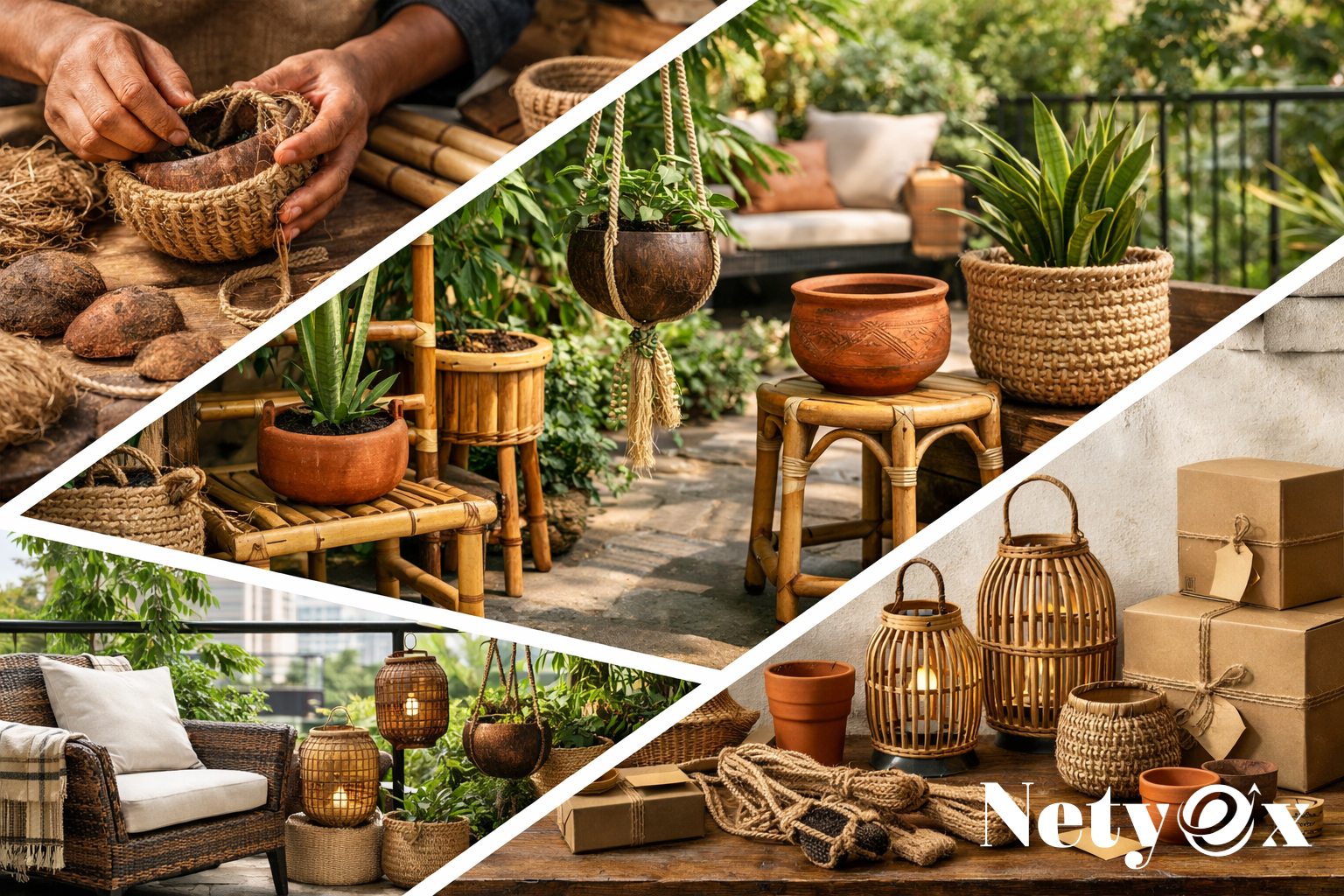
Coir, in particular, is widely used in garden products such as hanging baskets, grow bags, seed starter pots, and plant liners. Since it is made from coconut husks—a byproduct of the coconut industry—it is both sustainable and biodegradable.
Bamboo is another highly valued resource. It grows rapidly, requires minimal chemicals, and provides a strong, lightweight material ideal for garden stakes, trellises, and plant supports.
Because these raw materials are locally available, manufacturers can produce eco-friendly products without relying heavily on synthetic materials. This makes Indian garden products naturally aligned with sustainability goals.
Traditional Craftsmanship and Skilled Artisans
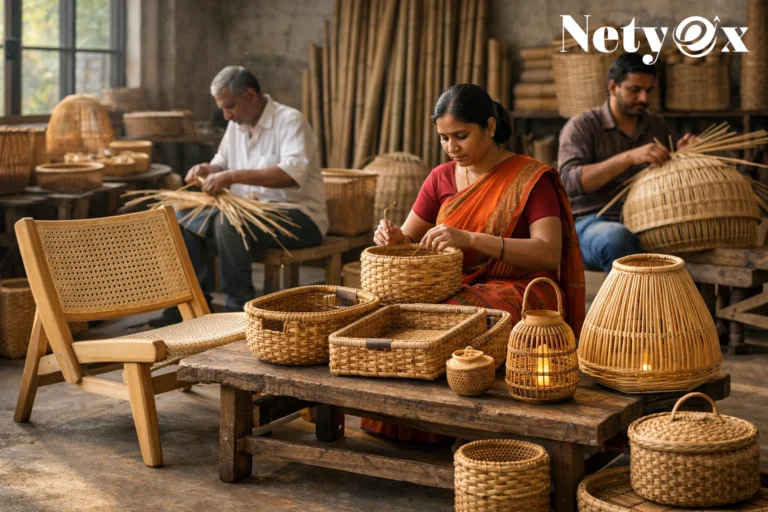
India has a long history of craftsmanship and handmade production techniques. Many eco-friendly garden products are created by skilled artisans who use traditional methods passed down through generations.
Handcrafted garden accessories offer several advantages:
- Unique designs and aesthetics
- High attention to detail
- Strong durability
- Cultural authenticity
For importers, these qualities add value to their product offerings. Customers often appreciate products that tell a story or reflect artisanal heritage.
Handmade terracotta pots, woven hanging baskets, and natural fiber planters are especially popular in global gardening markets. These items combine functionality with decorative appeal, making them suitable for both indoor and outdoor gardening.
Furthermore, artisan-based production supports rural communities and sustainable livelihoods, which aligns with ethical sourcing standards followed by many international buyers.
Competitive Pricing and Cost Efficiency
Another key factor explaining Why Importers Love Eco-Friendly Garden Products from India is cost efficiency.
India offers competitive manufacturing costs due to several advantages:
- Lower labor costs compared to many countries
- Locally available raw materials
- Large production networks
- Efficient supply chains
Because many eco-friendly materials such as coir, jute, and bamboo are sourced locally, manufacturers can reduce transportation and material costs.
For importers, this translates into better profit margins while still offering sustainable products at attractive retail prices.
Competitive pricing also allows wholesalers and retailers to expand their product lines without significantly increasing their procurement budgets.
This balance between affordability and sustainability makes Indian garden products highly appealing in international markets.
Wide Variety of Eco-Friendly Garden Products
India’s manufacturing ecosystem supports a diverse range of eco-friendly gardening supplies. Importers can source numerous products from a single supplier or region, making procurement more convenient.
Popular eco-friendly garden products from India include:
- Coir grow bags
- Coconut fiber plant liners
- Bamboo plant supports
- Terracotta planters
- Natural fiber hanging baskets
- Compostable seed starter pots
- Jute garden twine
- Wooden plant markers
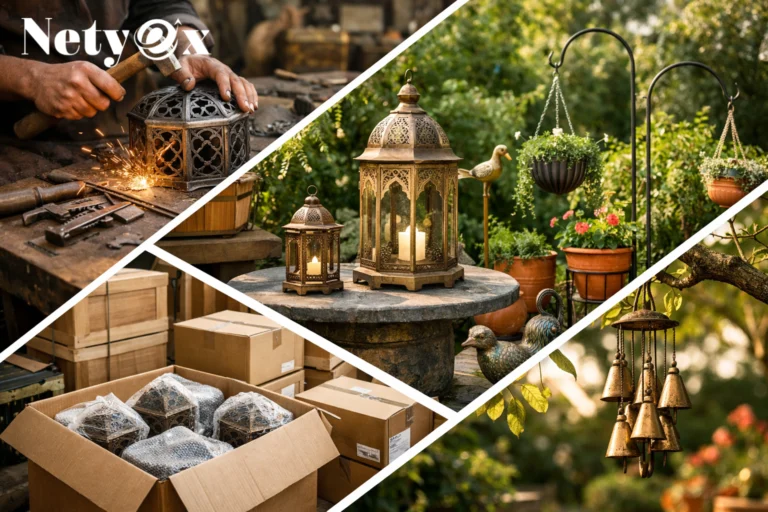
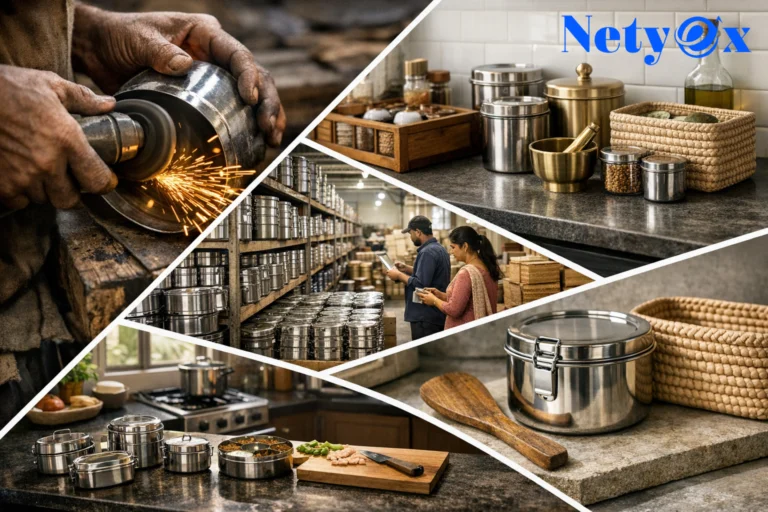
- Metal watering cans made from recycled materials
This wide selection enables importers to build complete sustainable gardening product lines rather than purchasing from multiple countries.
Retailers particularly appreciate suppliers who can provide coordinated product collections designed for environmentally conscious consumers.
Growing Focus on Sustainable Manufacturing
Indian manufacturers are increasingly adopting environmentally responsible production methods. Many exporters now implement sustainability practices such as:
- Waste reduction programs
- Renewable energy usage
- Water recycling systems
- Biodegradable packaging
- Low-emission manufacturing processes
These practices help ensure that eco-friendly garden products are not only made from sustainable materials but also produced responsibly.
Importers often prioritize suppliers that meet environmental and ethical standards because many global markets require compliance with sustainability regulations.
Manufacturers who demonstrate responsible production processes gain a strong competitive advantage when exporting to international buyers.
Strong Export Infrastructure and Global Trade Experience
India has developed a robust export infrastructure that supports international trade across various industries.
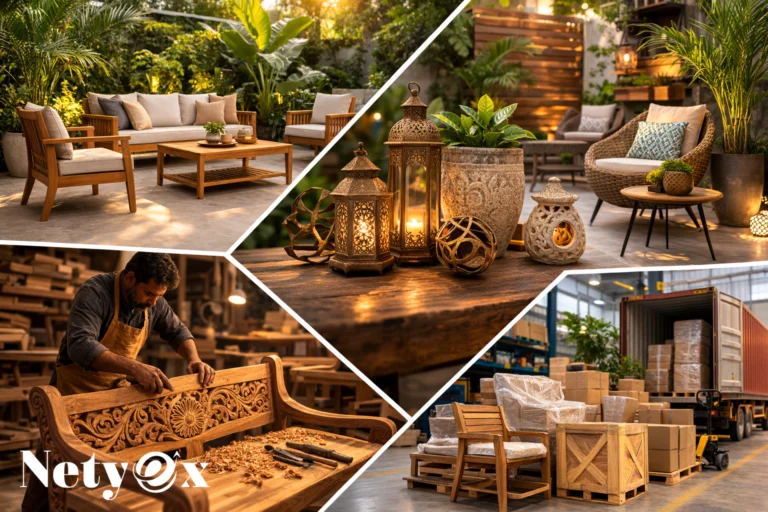
Major ports, logistics networks, and shipping routes enable efficient transportation of goods to markets in Europe, North America, the Middle East, and Asia.
Additionally, Indian exporters often have extensive experience working with international buyers. This experience includes understanding global quality standards, packaging requirements, and regulatory compliance.
For importers, reliable export operations reduce risks associated with delays, damaged goods, or inconsistent product quality.
Established supply chains allow businesses to maintain steady inventory levels and meet customer demand throughout the year.
Customization and Private Label Opportunities
Many importers seek suppliers that can customize products according to their branding requirements.
Indian manufacturers frequently offer private label and product customization services, including:
- Custom product sizes
- Unique designs
- Private label packaging
- Branded tags and labels
- Customized product bundles
These services allow importers to create distinctive product lines that differentiate them from competitors.
Private labeling also strengthens brand identity, enabling retailers to build long-term relationships with customers who trust their eco-friendly product collections.
Alignment with Global Sustainability Goals
Sustainability is no longer just a marketing strategy—it is becoming a global responsibility.
Governments, organizations, and consumers are increasingly encouraging environmentally friendly practices. Products that support sustainable living play a vital role in this shift.
Eco-friendly garden products contribute to sustainability by:
- Reducing plastic waste
- Promoting organic gardening
- Supporting biodegradable materials
- Encouraging natural plant growth
Importers who source sustainable gardening products can align their businesses with environmental goals while meeting customer expectations.
India’s focus on natural materials and traditional manufacturing makes it an ideal partner for companies looking to promote greener lifestyles.
Increasing Popularity in International Garden Markets
Eco-friendly garden products from India are gaining popularity in several global markets.
Regions where demand is particularly strong include:
- Europe
- North America
- Australia
- Japan
- Middle Eastern countries
In these markets, consumers are actively seeking alternatives to plastic garden products. Sustainable items such as coir pots and bamboo supports provide attractive and practical solutions.
Garden centers, home improvement retailers, and online marketplaces have expanded their eco-friendly gardening sections to meet this demand.
As consumer awareness continues to grow, the market for sustainable gardening supplies is expected to expand even further.
Frequently Asked Questions (FAQs)
Why are eco-friendly garden products becoming popular worldwide?
Eco-friendly garden products reduce environmental impact, support sustainable living, and minimize plastic waste. As consumers become more environmentally conscious, demand for biodegradable and natural gardening products continues to increase.
What materials are commonly used in eco-friendly garden products from India?
Common materials include coir (coconut fiber), bamboo, jute, terracotta clay, natural wood, and recycled metal. These materials are biodegradable, renewable, and environmentally friendly.
Are eco-friendly garden products durable?
Yes. Many eco-friendly garden products are highly durable. Materials such as bamboo and coir are strong and resistant to outdoor conditions, making them suitable for long-term use in gardens.
Why do importers choose India for garden products?
Importers prefer India because of its natural raw materials, skilled craftsmanship, competitive pricing, sustainable manufacturing practices, and reliable export infrastructure.
Can Indian manufacturers customize garden products?
Yes. Many Indian suppliers offer customization services, including private labeling, custom designs, packaging options, and tailored product sizes to meet the needs of international buyers.
Are eco-friendly garden products biodegradable?
Most eco-friendly garden products made from natural fibers, bamboo, and clay are biodegradable. They break down naturally over time without harming the environment.
Conclusion
The increasing global focus on sustainability has created strong demand for environmentally friendly gardening products. Importers around the world are seeking suppliers that can provide high-quality, sustainable alternatives to conventional garden supplies.
Understanding Why Importers Love Eco-Friendly Garden Products from India reveals several key advantages. India offers abundant natural materials, skilled craftsmanship, competitive pricing, and a diverse range of sustainable gardening products.
In addition, the country’s growing commitment to responsible manufacturing and its strong export infrastructure make it a reliable partner for international buyers.
As environmental awareness continues to grow, eco-friendly garden products will remain an essential part of the global gardening industry. India is well positioned to lead this movement by providing sustainable solutions that benefit businesses, consumers, and the planet.