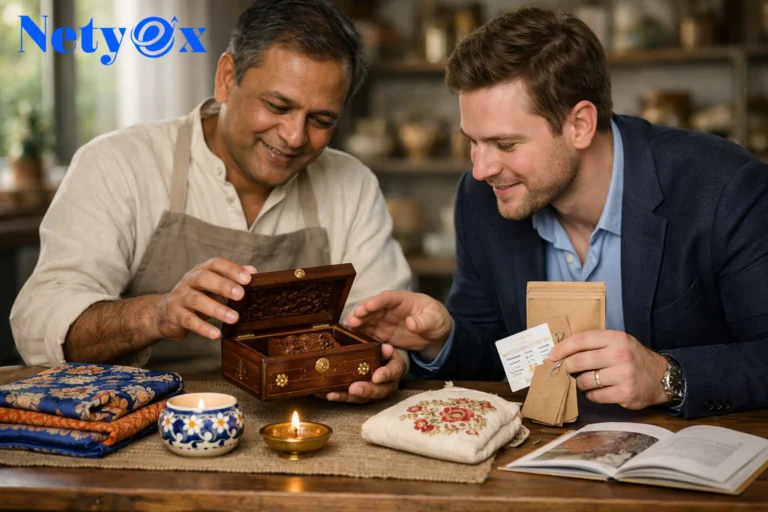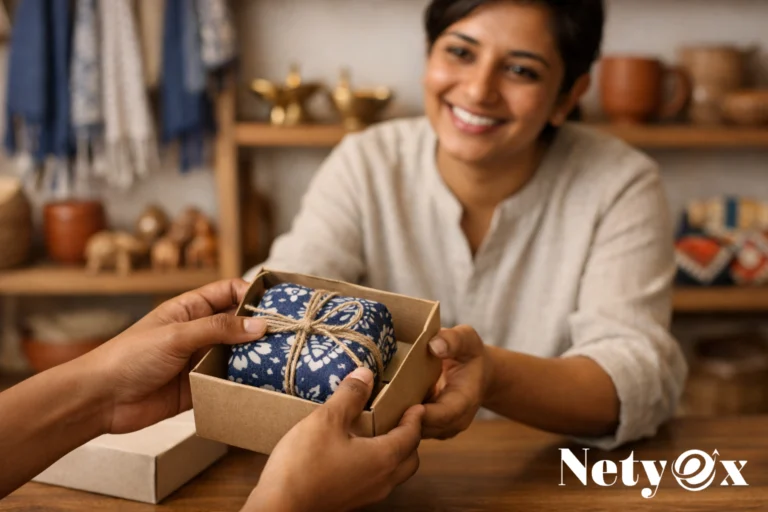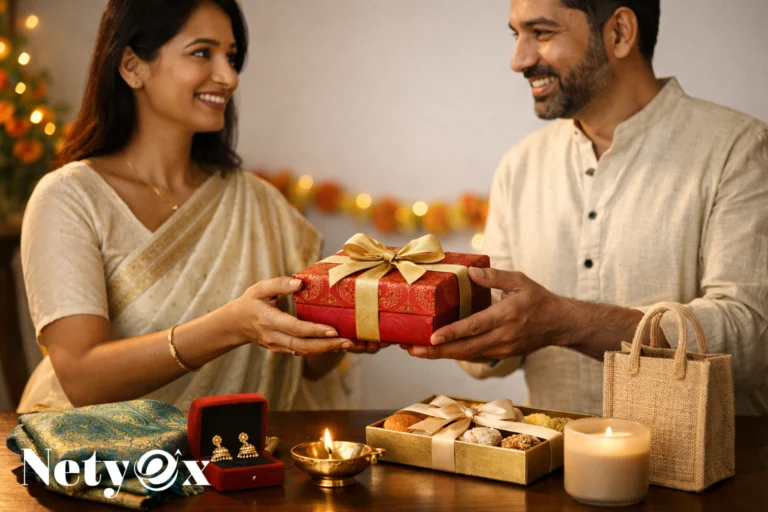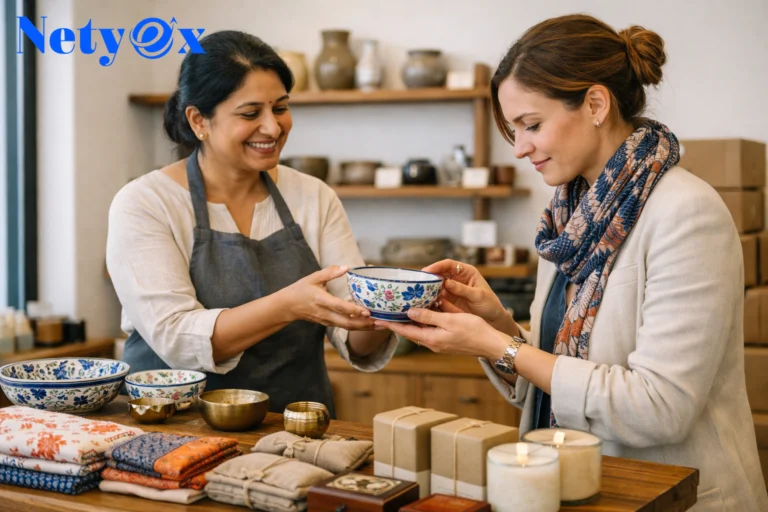


The Rising Popularity of Handmade Indian Crafts Online
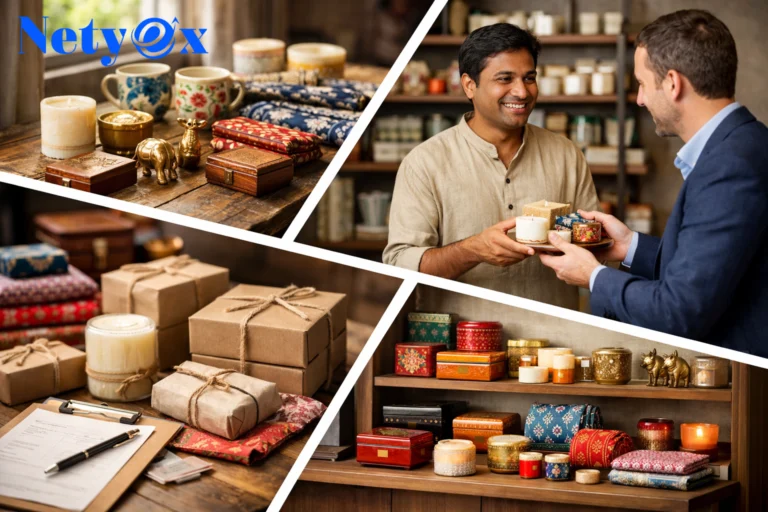
In recent years, Handmade Indian Crafts Sell Well Online because people around the world are searching for authentic, meaningful products rather than mass-produced goods. Handmade items represent culture, craftsmanship, and tradition. Buyers appreciate products that carry a story and a human touch.
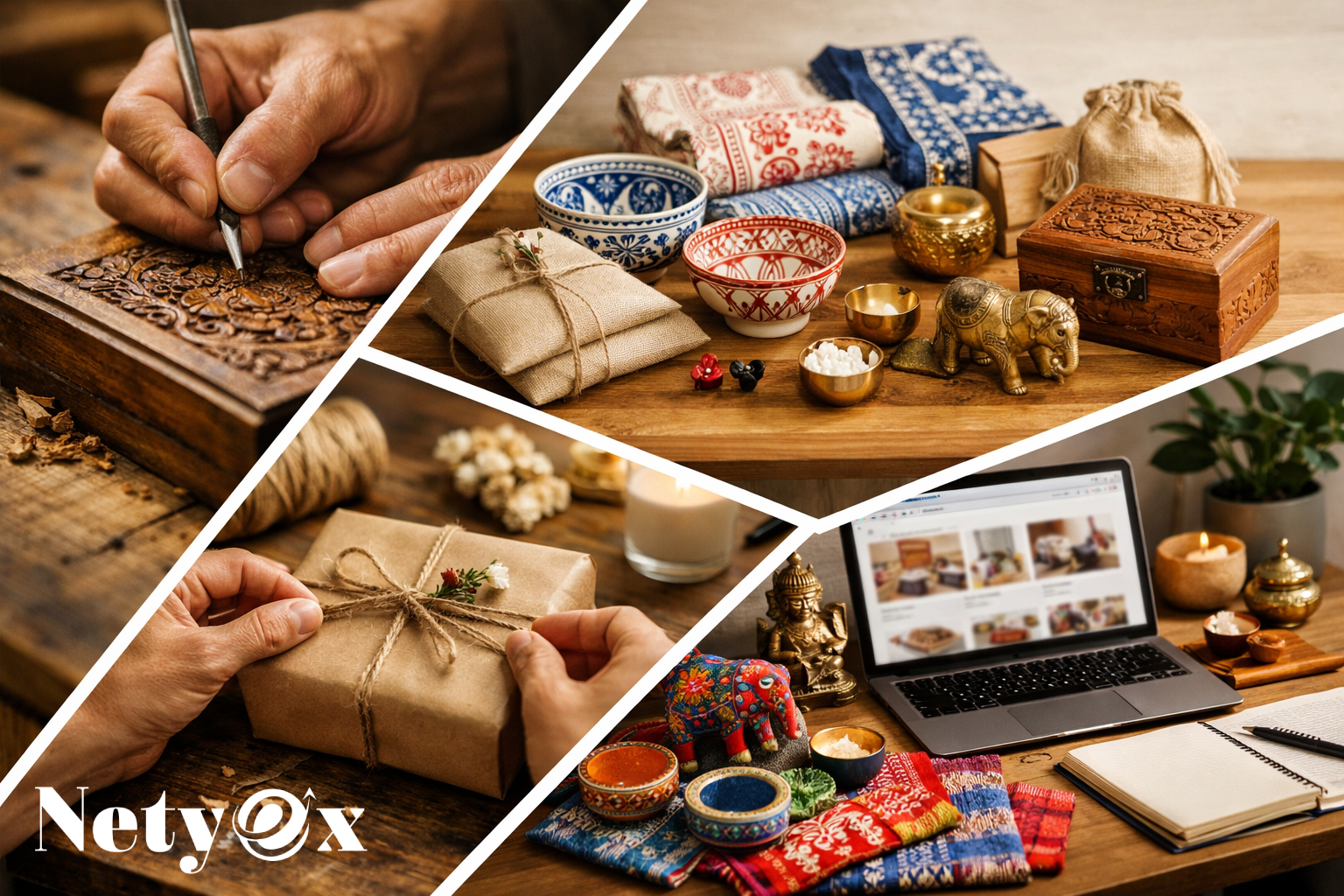
India has a long tradition of handmade artistry. From handwoven textiles and pottery to wood carvings and jewelry, these crafts have been passed down through generations. When artisans bring these products online, they gain access to a global audience that values authenticity and uniqueness.
Online marketplaces and social media platforms make it easier than ever for artisans and small craft businesses to showcase their work. Customers from different countries can now discover handmade Indian crafts without traveling. This digital exposure has created a booming market for Indian artisans.
Another important reason for this growth is consumer preference. Many shoppers are moving away from factory-made items. They want sustainable, ethical, and culturally rich products. Handmade crafts often meet these expectations because they are produced in smaller batches using traditional methods.
In addition, handmade products often feel more personal. People enjoy gifting unique items that cannot be easily found in regular stores. This emotional value makes handmade Indian crafts particularly attractive in the online marketplace.
Cultural Heritage Behind Indian Handmade Crafts
India’s craft traditions are deeply connected to its culture and history. Each region has its own distinctive style, techniques, and materials. These traditions are not just artistic practices but also cultural identities passed from one generation to another.
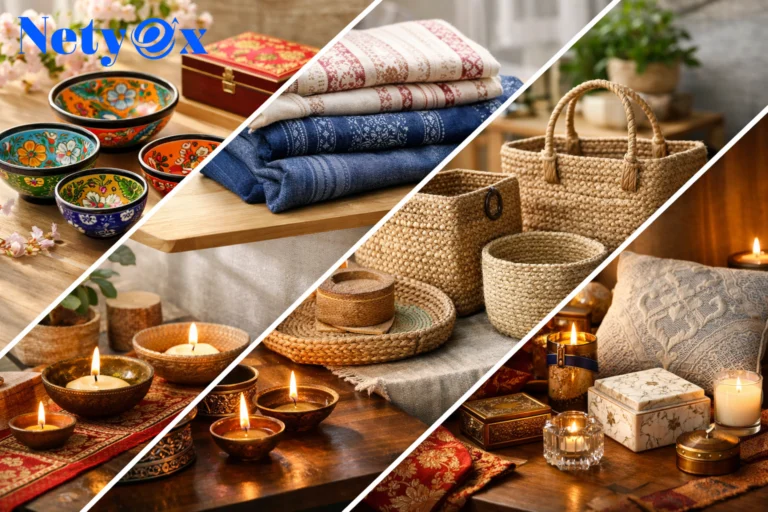
For example, artisans in Rajasthan are famous for block printing and leather crafts. West Bengal is known for terracotta and kantha embroidery. Kashmir produces beautiful shawls and papier-mâché art. These regional crafts tell stories about the local communities that create them.
Buyers around the world appreciate products with cultural depth. When customers purchase handmade crafts, they feel connected to the history and traditions behind the item. This emotional connection increases the perceived value of the product.
Online platforms also allow artisans to share the stories behind their crafts. By describing how products are made and where the traditions come from, sellers can build stronger relationships with customers.
Because of this cultural richness, handmade Indian crafts stand out in a crowded digital market. Their heritage gives them authenticity that mass-produced goods simply cannot match.
Unique and One-of-a-Kind Products
One of the main reasons Handmade Indian Crafts Sell Well Online is their uniqueness. Unlike factory-made products, handmade items are rarely identical. Each piece has small variations that make it special.
Customers appreciate owning something unique. When they buy handmade crafts, they know their product was created individually by an artisan rather than produced on an assembly line.
This uniqueness increases emotional value. A handcrafted necklace, handwoven scarf, or carved wooden decoration feels more personal than something produced in large quantities.
Online shoppers are especially drawn to products that stand out. When browsing digital marketplaces, buyers often look for items that are different from typical store products. Handmade crafts meet this demand perfectly.
Additionally, many artisans offer custom options. Customers may request specific colors, patterns, or designs. Customization increases the appeal of handmade crafts because buyers can receive a product tailored to their preferences.
Global Demand for Authentic and Ethical Products
Modern consumers are becoming more conscious about what they buy. Many people now prioritize ethical production, fair wages, and environmentally friendly materials. Handmade crafts often align with these values.
Unlike mass production factories, many craft communities operate on smaller scales. Artisans rely on traditional tools and local materials. This process often reduces environmental impact compared to large industrial production.
Customers also feel good knowing their purchase supports real people and communities. When they buy handmade crafts, they help preserve traditional skills and provide income for artisans.
Ethical consumerism is a powerful trend in online shopping. Buyers want products that reflect their values. Handmade Indian crafts often meet these expectations, which increases their popularity worldwide.
The Power of Storytelling in Craft Sales
Storytelling plays a major role in the success of handmade products online. People love hearing about the origins of a craft and the artisan who created it.
A simple wooden sculpture becomes more meaningful when customers learn about the artist who carved it and the cultural significance behind the design.
Storytelling helps build trust and emotional connection between sellers and buyers. Instead of purchasing a random object, customers feel they are supporting a tradition or a family craft business.
Artisans can share stories through product descriptions, videos, and social media posts. These narratives help customers appreciate the craftsmanship involved.
When buyers feel emotionally connected to a product, they are more likely to purchase it. This emotional engagement is one reason handmade crafts perform so well online.
Growth of E-commerce Platforms
E-commerce has transformed the way crafts are sold. Previously, artisans relied on local markets, fairs, or tourist shops. These channels limited their reach.
Today, online platforms allow craftspeople to showcase their work to a global audience. Even small artisans from remote villages can now connect with international buyers.
Digital marketplaces provide tools for displaying products, managing orders, and receiving payments. This accessibility has opened new opportunities for craft sellers.
Social media platforms also play a significant role. Artists can share photos of their work, demonstrate the crafting process, and interact with customers directly.
Because of these digital tools, handmade Indian crafts have gained worldwide visibility. This exposure significantly increases sales potential.
Affordable Luxury for Global Buyers
Many handmade Indian crafts offer excellent value. They combine high-quality craftsmanship with relatively affordable pricing compared to handmade products from some other regions.
International buyers often view Indian crafts as affordable luxury. They can purchase beautifully handcrafted items at prices that remain reasonable.
For example, handwoven textiles, jewelry, or decorative art pieces can offer exceptional artistry without extremely high costs.
This price advantage attracts global customers looking for unique home decor or fashion items. Buyers feel they are getting something special while still staying within their budget.
Affordable pricing combined with high artistic value makes handmade Indian crafts very appealing in online markets.
Support for Rural Artisans and Communities
Handmade craft industries provide livelihoods for millions of artisans across India. Many craft traditions exist in rural areas where employment opportunities may be limited.
Online sales allow artisans to earn income directly from their skills. Instead of relying on middlemen, they can reach customers themselves.
This direct connection helps preserve traditional craft skills. When artisans receive fair income for their work, younger generations are more likely to continue the craft.
Customers also appreciate supporting social causes. Many buyers intentionally choose handmade crafts because they want their purchases to make a positive impact.
As a result, the connection between craft sales and community support contributes to strong online demand.
The Role of Social Media Marketing
Social media platforms have become powerful tools for promoting handmade crafts. Visual platforms allow artisans to display their products attractively.
Short videos showing the crafting process often attract attention. People enjoy watching how handmade items are created step by step.
These platforms also help artisans build personal brands. Followers feel connected to the artist and become loyal customers.
Social media marketing is often inexpensive compared to traditional advertising. This makes it especially helpful for small craft businesses.
With consistent posting and engaging content, artisans can reach thousands of potential buyers worldwide.
Personalization and Custom Craft Orders
Customization is another reason handmade crafts sell successfully online. Many customers want products tailored to their preferences.
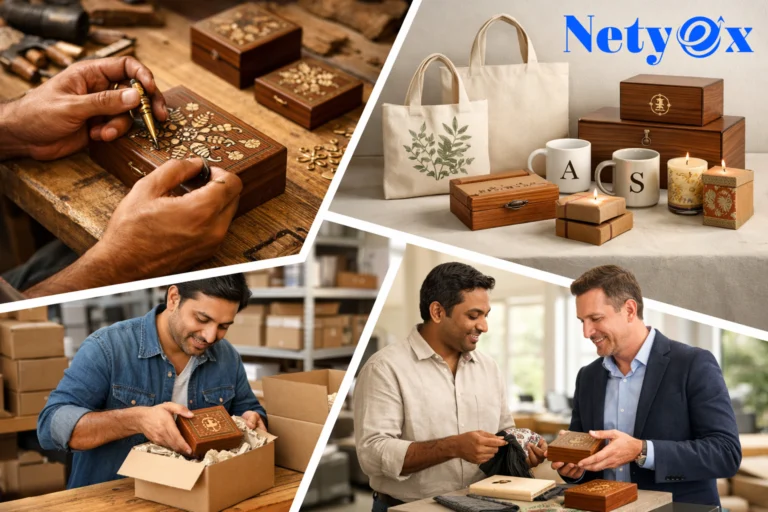
Handmade craft sellers can offer personalized designs, colors, or messages. For example, customers might request engraved jewelry, custom home decor, or personalized gifts.
This flexibility gives handmade products an advantage over mass-produced items.
Personalized products are especially popular for special occasions such as weddings, birthdays, or anniversaries. Customers enjoy giving gifts that feel unique and meaningful.
Online communication tools make it easy for buyers to discuss custom orders with artisans. This direct interaction improves customer satisfaction and encourages repeat purchases.
Challenges Faced by Handmade Craft Sellers
Despite the growing demand, artisans also face challenges in the online marketplace.
One challenge is competition. As more sellers join digital platforms, standing out becomes more difficult.
Another challenge is logistics. Shipping fragile or delicate crafts internationally requires careful packaging and reliable delivery services.
Pricing can also be difficult. Handmade items require time and skill, but some buyers may compare them with cheaper mass-produced alternatives.
Additionally, artisans may need to learn digital marketing skills to succeed online.
However, many of these challenges can be overcome with good branding, storytelling, and customer service.
Tips for Selling Handmade Indian Crafts Online
Artisans who want to succeed in online markets can follow several strategies:
- Focus on quality craftsmanship to build a strong reputation.
- Tell the story behind the craft to connect with buyers emotionally.
- Use clear and detailed product descriptions explaining materials and techniques.
- Offer customization options whenever possible.
- Engage with customers on social media to build trust and loyalty.
- Ensure safe packaging and reliable shipping for international orders.
These practices help artisans build long-term relationships with customers and grow their businesses.
Frequently Asked Questions (FAQs)
Why do people prefer handmade crafts over mass-produced items?
People prefer handmade crafts because they are unique, authentic, and often made with higher attention to detail. Handmade products also carry emotional and cultural value.
Why do handmade Indian crafts sell well online?
Handmade Indian Crafts Sell Well Online because they combine cultural heritage, unique designs, ethical production, and affordable pricing that appeals to global buyers.
Are handmade crafts sustainable?
Many handmade crafts use natural materials and traditional production methods, which can be more environmentally friendly than industrial manufacturing.
How do artisans benefit from selling crafts online?
Online sales allow artisans to reach international customers, earn better income, and promote their craft traditions to a wider audience.
What types of Indian crafts are popular online?
Popular crafts include handwoven textiles, pottery, wood carvings, jewelry, embroidery, and decorative home items.
Can handmade crafts be customized for buyers?
Yes. Many artisans offer personalized designs, colors, and engravings to meet customer preferences.
Conclusion
The success of handmade crafts in digital marketplaces reflects a larger shift in consumer behavior. People increasingly value authenticity, sustainability, and cultural heritage when making purchasing decisions.
This trend explains why Handmade Indian Crafts Sell Well Online. These crafts offer more than just products—they provide stories, traditions, and human connections.
With the help of e-commerce and social media, artisans now have unprecedented opportunities to share their work with the world. Buyers from different countries can discover beautiful handmade creations while supporting the communities that produce them.
As global interest in ethical and meaningful products continues to grow, the future of handmade Indian crafts in online markets looks bright. These timeless traditions are not only surviving in the digital age—they are thriving.