


Introduction: The Growing Popularity of Indian Home Décor
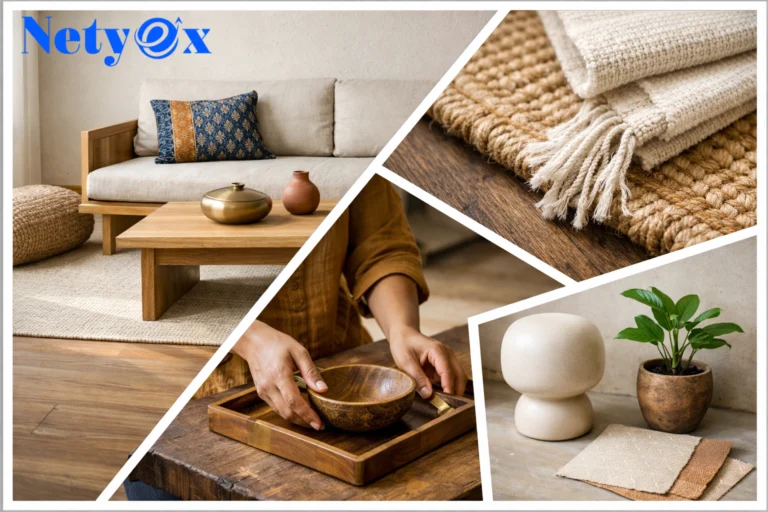
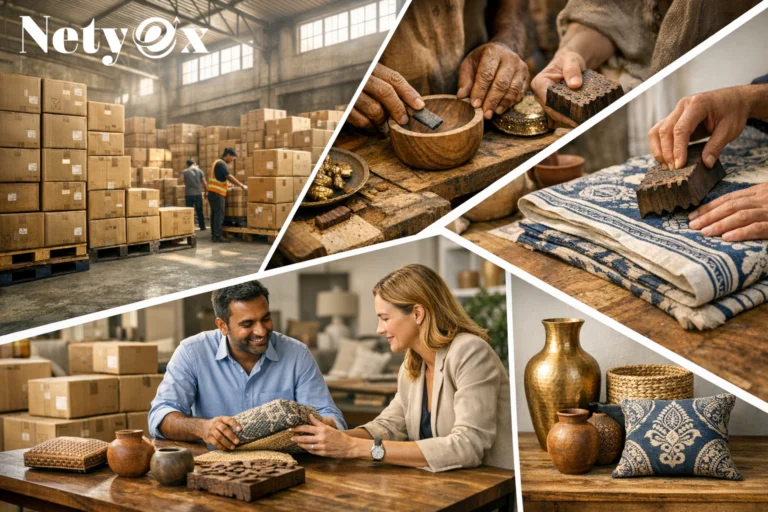
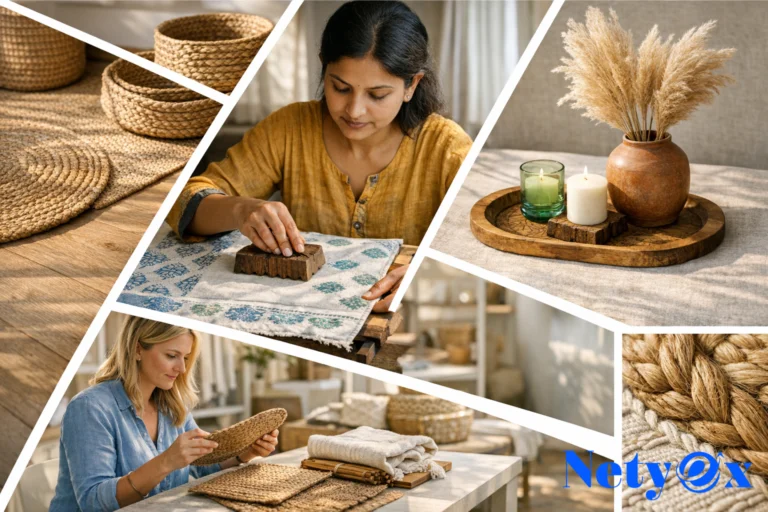
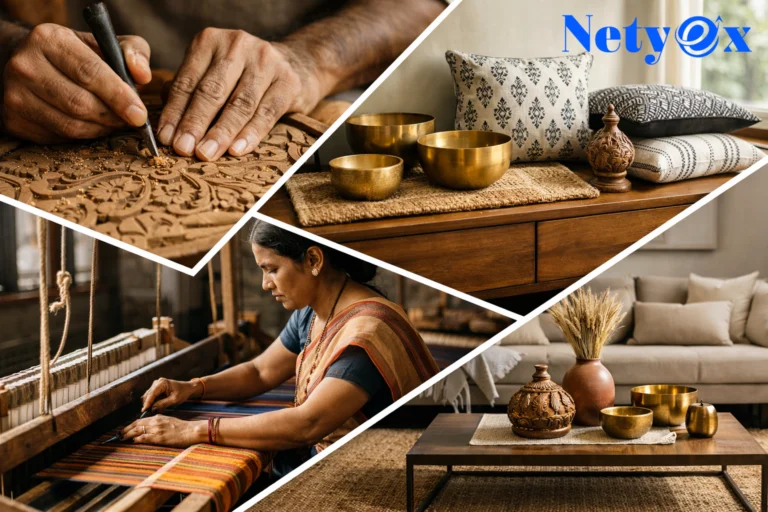
In recent years, the global home décor industry has witnessed a remarkable shift. Retail chains across North America, Europe, the Middle East, and Asia are increasingly sourcing their décor collections from India. From handcrafted wooden furniture to intricately embroidered textiles, Indian home décor products are gaining strong international demand.
So, why do global retail chains prefer Indian home décor? The answer lies in a combination of factors including skilled craftsmanship, cultural richness, cost competitiveness, sustainable production, and reliable export capabilities.
India has been known for centuries as a center of art, textiles, and handmade crafts. Today, modern manufacturing techniques combined with traditional craftsmanship have made Indian décor products ideal for global retail markets. Large retailers seek products that are unique, affordable, and scalable—qualities that Indian suppliers consistently deliver.
This article explores the key reasons global retail chains continue to prefer Indian home décor products and why India has become a powerhouse in the global home décor supply chain.
The Rich Heritage of Indian Craftsmanship
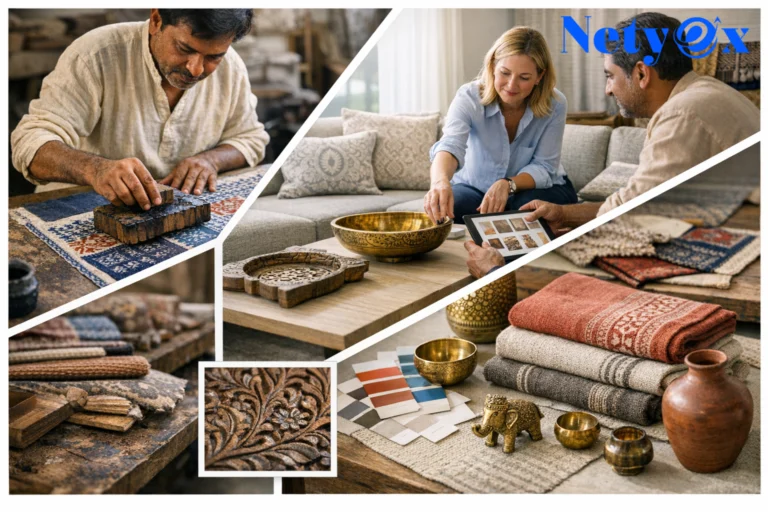
One of the biggest reasons global retail chains prefer Indian home décor is the country’s deep-rooted craftsmanship tradition.
India’s artistic heritage dates back thousands of years. Different regions specialize in unique forms of craft, including:
- Hand-carved woodwork
- Metal embossing
- Block printing
- Hand weaving
- Pottery
- Stone carving
These techniques have been passed down through generations of artisans. Unlike mass-produced décor items, Indian products often carry a distinct handmade quality that global consumers value.
Retail chains constantly look for products that stand out in crowded markets. Handcrafted Indian décor pieces bring authenticity and individuality that factory-made products often lack.
For example, a carved wooden wall panel or handwoven cushion cover from India tells a story of culture and craftsmanship, making it attractive for premium retail collections.
Cost-Effective Manufacturing Without Compromising Quality
Another major factor behind the preference for Indian home décor is cost efficiency.
Global retail chains must balance product quality with competitive pricing. India offers an ideal solution because it provides:
- Skilled labor at competitive costs
- Efficient supply chains
- Scalable production capabilities
- Strong export infrastructure
Indian manufacturers are able to produce large volumes of décor products while maintaining quality standards required by international retailers.
Compared with production costs in Europe or North America, sourcing from India allows retailers to maintain healthy profit margins while offering affordable products to consumers.
This cost advantage does not come at the expense of quality. Many Indian factories follow international compliance standards such as:
- Quality certifications
- Ethical labor practices
- Environmental regulations
As a result, global retailers feel confident partnering with Indian suppliers.
Wide Variety of Home Décor Products
India’s home décor industry is incredibly diverse. Global retailers prefer suppliers who can provide a broad product range under one roof, and Indian manufacturers excel in this area.
Indian suppliers offer extensive décor categories including:
Furniture
- Solid wood tables
- Hand-carved cabinets
- Rustic shelving units
- Accent chairs
Textiles
- Cushion covers
- Throws and blankets
- Curtains
- Table runners
Wall Décor
- Metal wall art
- Hand-painted panels
- Wooden carvings
- Mirrors with decorative frames
Decorative Accessories
- Lanterns
- Vases
- Candle holders
- Decorative trays
This diversity allows retail chains to source multiple product categories from the same region, simplifying logistics and reducing sourcing complexity.
Unique Cultural Designs That Stand Out
Consumers today want more than simple functional décor—they want unique designs with character.
Indian home décor stands out because it blends traditional artistry with contemporary design. Many products feature:
- Intricate patterns
- Rich textures
- Vibrant colors
- Cultural motifs
These design elements appeal strongly to global consumers who seek distinctive home interiors.
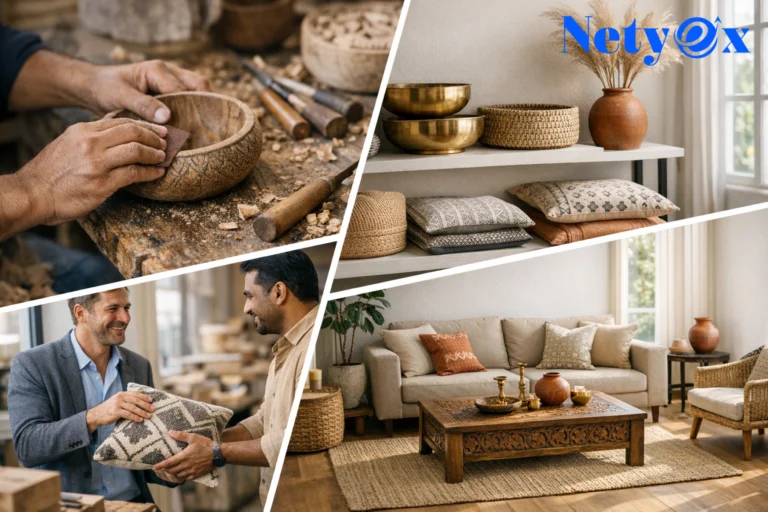
Retail chains also appreciate the flexibility Indian manufacturers offer. Many suppliers collaborate with international designers to create collections tailored to specific markets.
For example, a retailer in Scandinavia may request minimalist Indian wooden décor with lighter finishes, while a retailer in the United States may prefer rustic farmhouse-style pieces.
This adaptability makes Indian suppliers valuable partners for global retail brands.
Strong Global Export Network
India has developed a well-established export ecosystem for home décor products.
Major export hubs include cities such as:
- Moradabad (metal handicrafts)
- Jaipur (textiles and décor)
- Jodhpur (wooden furniture)
- Saharanpur (wood carving)
- Firozabad (glass décor)
These clusters specialize in specific crafts and maintain strong connections with international buyers.
Indian exporters are experienced in working with large retail chains and understand global requirements such as:
- Product safety standards
- Packaging guidelines
- Shipping documentation
- Compliance regulations
Because of this experience, global retailers often find it easier to work with Indian suppliers compared to newer sourcing markets.
Sustainable and Eco-Friendly Production
Sustainability has become a major priority in the global retail industry. Consumers increasingly prefer eco-friendly products, and retailers must respond to this demand.
Indian home décor suppliers often use natural and sustainable materials, including:
- Mango wood
- Bamboo
- Recycled metal
- Natural cotton
- Jute
- Terracotta
Many manufacturers also follow environmentally responsible practices such as:
- Handcrafted production methods
- Water-based finishes
- Recycled packaging materials
These practices align well with the sustainability goals of global retail brands.
For retailers looking to promote eco-conscious product lines, Indian home décor provides an ideal sourcing solution.
Customization and Private Label Opportunities
Global retail chains frequently develop private-label collections to differentiate themselves from competitors.
Indian manufacturers are highly flexible when it comes to customization. They can adapt products according to specific requirements such as:
- Custom colors
- Unique patterns
- Exclusive designs
- Special packaging
Many suppliers also provide low minimum order quantities, allowing retailers to test new designs before committing to large orders.
This ability to customize products gives retailers greater control over their product offerings and strengthens brand identity.
Support from Government Export Initiatives
The Indian government actively supports handicraft and home décor exports through various initiatives.
These initiatives help improve the competitiveness of Indian exporters by offering:
- Export promotion programs
- Trade exhibitions
- Financial incentives
- Infrastructure development
International buyers regularly visit Indian trade fairs to discover new suppliers and product collections.
Such government support strengthens India’s position as a leading supplier of home décor products worldwide.
Skilled Artisan Communities
Behind every Indian home décor product is a community of skilled artisans.
Millions of artisans across India work in handicrafts, textiles, and decorative manufacturing. Their skills have been refined through years of practice and cultural tradition.
These artisans contribute to the uniqueness of Indian décor products by adding handcrafted details that cannot be replicated by machines.
Global retail chains value this human element because it creates authentic products that resonate with consumers seeking meaningful purchases.
Supporting Indian artisans also helps retailers promote ethical sourcing stories, which are increasingly important in modern retail marketing.
Growing Demand for Handmade and Authentic Products
Global consumers are gradually shifting away from mass-produced products toward authentic handmade items.
Indian home décor fits perfectly into this trend. Products made by skilled artisans carry subtle imperfections that make each piece unique.
Retail chains use these products to create collections that emphasize craftsmanship and storytelling.
In a market where consumers crave originality, Indian décor offers a refreshing alternative to uniform factory-made goods.
Frequently Asked Questions (FAQs)
1. Why do international retailers source home décor from India?
International retailers source home décor from India because the country offers skilled craftsmanship, diverse product ranges, cost-effective manufacturing, and unique designs that appeal to global consumers.
2. Which Indian cities are known for home décor exports?
Several cities are famous for home décor exports, including Moradabad for metal crafts, Jaipur for textiles and decorative items, Jodhpur for wooden furniture, and Saharanpur for wood carving.
3. Are Indian home décor products handmade?
Many Indian home décor products are handmade or handcrafted using traditional techniques. This handmade quality adds uniqueness and authenticity to each piece.
4. Is Indian home décor sustainable?
Yes, many Indian décor products are made using eco-friendly materials such as bamboo, mango wood, jute, and recycled metals, making them attractive for sustainability-focused retailers.
5. Can global retailers customize products from Indian manufacturers?
Yes, Indian manufacturers often provide customization options such as private labeling, custom designs, and tailored packaging for global retail chains.
6. Why are Indian handicrafts popular worldwide?
Indian handicrafts are popular due to their rich cultural heritage, detailed craftsmanship, unique patterns, and the ability to blend traditional techniques with modern designs.
Conclusion
The global home décor industry continues to evolve, but India’s position as a leading supplier remains strong. When examining why global retail chains prefer Indian home décor, several clear advantages emerge.
India offers a rare combination of heritage craftsmanship, affordable manufacturing, design diversity, sustainability, and reliable export infrastructure. These strengths make Indian suppliers ideal partners for international retail brands seeking distinctive and high-quality décor products.
As consumer demand for handmade, sustainable, and culturally rich products grows, Indian home décor is likely to gain even greater popularity in global markets.
For global retailers, sourcing from India is not just a practical decision—it is an opportunity to bring timeless artistry and cultural depth into homes around the world.