

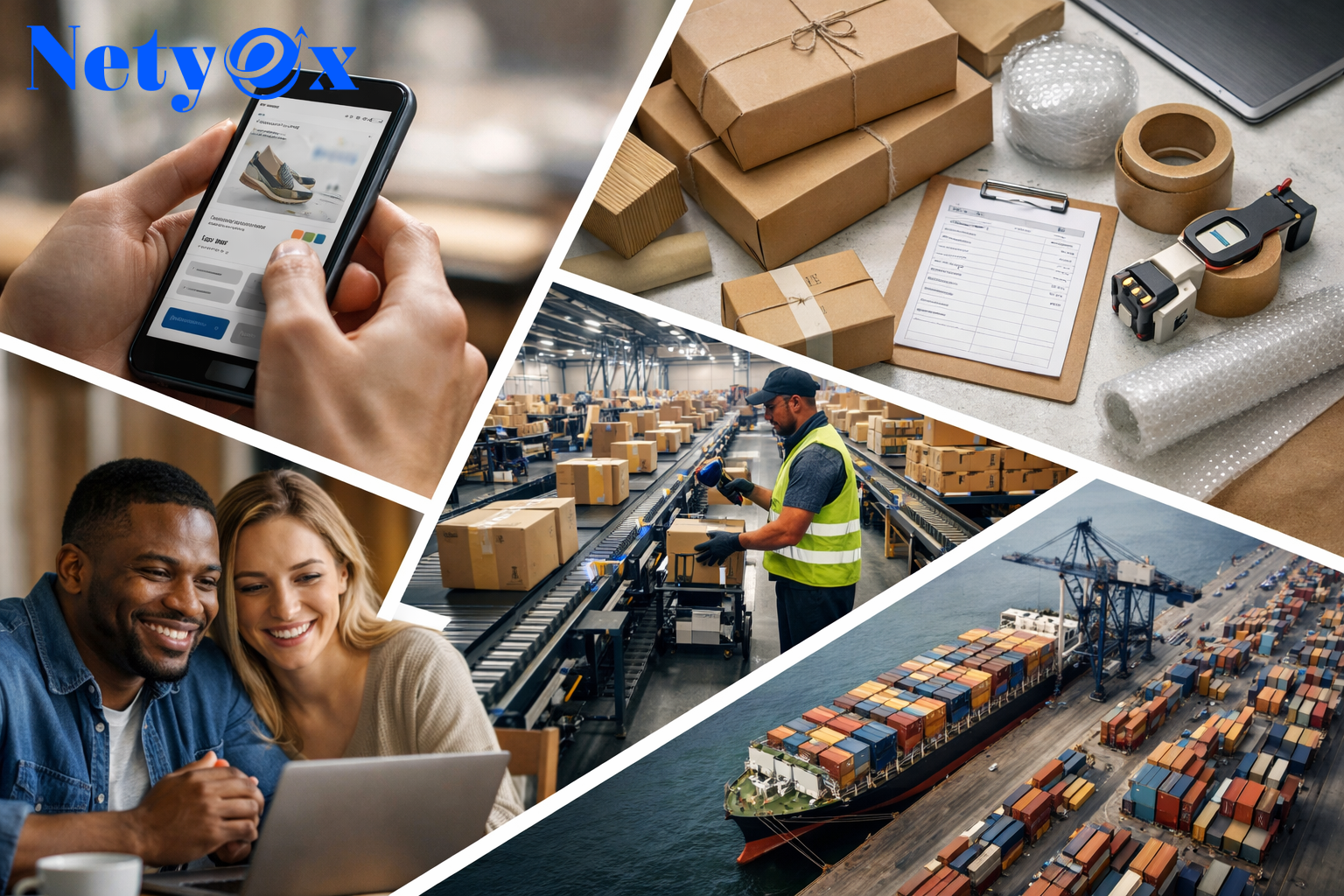
Introduction to Digital-First Economies
The global economy is changing fast. Businesses are no longer limited by borders, physical stores, or traditional trade routes. Instead, they are entering a new era shaped by digital tools, online platforms, and real-time connectivity. This shift explains Why Digital-First Markets Will Shape Future Exports in ways we have never seen before.
A digital-first economy is one where businesses prioritize online systems, digital platforms, and technology-driven strategies before traditional methods. Companies now build websites before opening physical stores. They launch online campaigns before setting up global offices. And most importantly, they sell across borders using digital channels.
This transformation did not happen overnight. It grew from the rise of the internet, mobile technology, and cloud computing. Today, digital-first thinking drives innovation, efficiency, and global reach. Countries investing in digital infrastructure are gaining competitive advantages in international trade.
The future of exports is no longer about shipping containers alone. It is about data, speed, customer experience, and seamless digital transactions.
The Rise of E-Commerce and Cross-Border Trade
E-commerce has completely changed how goods move across countries. Businesses can now sell directly to international consumers without relying on large distributors.
Mobile Commerce Expansion
Smartphones have become global shopping tools. Consumers browse, compare, and buy products with a few taps. Mobile commerce allows exporters to reach customers in remote regions where physical retail may not exist.
In many developing markets, mobile devices are the primary gateway to the internet. This means exporters who optimize for mobile platforms gain immediate access to millions of new buyers.
Digital Payment Ecosystems
Secure online payments are the engine of digital trade. Digital wallets, online banking, and fintech solutions have reduced transaction friction. Buyers trust these systems because they are fast and transparent.
For exporters, digital payments reduce delays and lower transaction costs. Instead of waiting weeks for international bank transfers, payments can be processed instantly.
Technology as the Backbone of Modern Exports
Technology is not just a support system—it is the foundation of global trade.
Artificial intelligence helps businesses forecast demand. Cloud computing enables real-time collaboration across continents. Automation improves warehouse efficiency.
Data-Driven Decision Making
Exporters now rely on analytics to understand customer preferences. Data reveals:
- Which products sell best in specific regions
- Seasonal demand patterns
- Consumer behavior trends
With predictive insights, businesses can adjust inventory, pricing, and marketing strategies. This reduces risk and increases profitability.
Supply Chain Digitization
Modern supply chains are smarter than ever. GPS tracking, automated warehouses, and digital inventory systems ensure products reach customers quickly and safely.
Digitization minimizes errors, prevents losses, and increases transparency. Buyers can track shipments in real time, building trust and satisfaction.
Changing Consumer Behavior in Global Markets
Consumers today expect more. They want speed, convenience, and personalized experiences.
Demand for Instant Gratification
Online shoppers are used to fast delivery. In many markets, next-day or even same-day shipping has become standard. Exporters must adopt digital logistics systems to meet these expectations.
Speed is no longer a luxury—it is a necessity.
Brand Transparency and Trust
Digital platforms allow customers to read reviews, compare products, and research brands. Trust has become a key factor in export success.
Companies that maintain strong digital reputations perform better in global markets. Transparency in pricing, sourcing, and customer service builds long-term loyalty.
Opportunities for Small and Medium Enterprises (SMEs)
One of the biggest reasons Why Digital-First Markets Will Shape Future Exports is the opportunity they create for small businesses.
In the past, exporting required large budgets and complex logistics. Today, SMEs can:
- Open online stores
- List products on global marketplaces
- Use digital marketing to reach niche audiences
This levels the playing field. A small artisan brand can now compete globally alongside multinational corporations.
Digital platforms reduce entry barriers and democratize international trade.
Digital Infrastructure and Export Competitiveness
Countries with strong digital infrastructure perform better in exports. High-speed internet, cybersecurity frameworks, and reliable cloud systems attract global buyers and investors.
Governments that invest in broadband access empower local businesses to participate in digital trade. Without stable connectivity, exporters cannot compete effectively.
Cybersecurity is equally important. Protecting customer data ensures trust and prevents costly breaches.
Government Policies Supporting Digital Trade
Forward-thinking governments recognize the power of digital exports. Many now provide:
- Tax incentives for tech-driven businesses
- Grants for e-commerce development
- Training programs for digital skills
Policies that simplify cross-border digital transactions encourage export growth. Clear regulations around data privacy and online payments also strengthen investor confidence.
Emerging Technologies Driving Export Transformation
The next wave of innovation is already here.
- Blockchain improves transparency in trade documentation.
- Internet of Things (IoT) enhances supply chain tracking.
- Augmented Reality (AR) allows customers to preview products virtually.
These technologies reduce fraud, increase efficiency, and improve customer experience.
Exporters adopting these tools gain competitive advantages in global markets.
Risks and Challenges in Digital-First Export Models
Despite the benefits, digital-first trade comes with challenges.
Cybersecurity threats are increasing. Data breaches can damage brand reputation. Businesses must invest in secure systems and employee training.
There are also regulatory differences between countries. Data protection laws vary, creating compliance complexities.
However, these challenges are manageable with proper planning and investment.
The Role of Digital Marketplaces in Future Exports
Online marketplaces serve as global gateways. They connect sellers and buyers from different countries instantly.
These platforms provide built-in logistics support, payment systems, and marketing tools. Exporters benefit from existing customer bases and trusted systems.
Marketplace-driven exports are expected to grow significantly over the next decade.
Sustainability and Digital Trade
Digital trade also supports sustainability goals.
By using data analytics, businesses reduce overproduction. Smart logistics minimize fuel consumption. Digital documentation reduces paper waste.
Consumers increasingly prefer environmentally responsible brands. Digital systems help companies track and report sustainability metrics accurately.
Why Digital-First Markets Will Shape Future Exports in the Next Decade
Looking ahead, it becomes clear Why Digital-First Markets Will Shape Future Exports in powerful ways.
First, global connectivity will continue expanding. Second, younger consumers are digital natives. Third, technology costs are decreasing, making innovation more accessible.
Exports will no longer depend solely on physical presence. Instead, digital reputation, speed, and adaptability will define success.
Businesses that ignore digital transformation risk losing relevance. Those who embrace it will thrive in global trade.
The next decade will reward agility, innovation, and customer-centric strategies.
Frequently Asked Questions (FAQs)
1. What is a digital-first market?
A digital-first market prioritizes online platforms, digital systems, and technology-driven processes before traditional business methods.
2. How do digital-first strategies improve exports?
They reduce transaction costs, increase global reach, improve logistics efficiency, and enhance customer experience.
3. Can small businesses benefit from digital exports?
Yes. SMEs can access global customers through online platforms without large upfront investments.
4. What technologies are shaping future exports?
Artificial intelligence, blockchain, IoT, cloud computing, and advanced data analytics are leading innovations.
5. Are there risks in digital-first export models?
Yes. Cybersecurity threats and regulatory differences pose challenges, but they can be managed with strong systems and compliance strategies.
6. Why is consumer behavior important in digital trade?
Modern consumers expect fast delivery, transparency, and personalized experiences. Meeting these expectations increases export success.
7. How can governments support digital exports?
By investing in digital infrastructure, simplifying regulations, and offering incentives for technology adoption.
Conclusion
The transformation of global trade is undeniable. Digital platforms, advanced technologies, and evolving consumer expectations are reshaping how countries exchange goods and services.
Understanding Why Digital-First Markets Will Shape Future Exports is essential for businesses, policymakers, and entrepreneurs. Digital-first strategies increase efficiency, expand global reach, and create new opportunities for growth.
The future belongs to exporters who embrace innovation, prioritize digital infrastructure, and adapt quickly to change. Those who act today will lead tomorrow’s global economy.