

Introduction: Why Indian Fashion Accessories Are Gaining Global Attention
The Upcoming Trends in Indian Fashion Accessories Exports are attracting significant attention across the global fashion industry. India has long been recognized for its rich textile heritage, detailed craftsmanship, and vibrant cultural aesthetics. Today, these traditional strengths are merging with modern design, sustainable practices, and advanced manufacturing techniques.
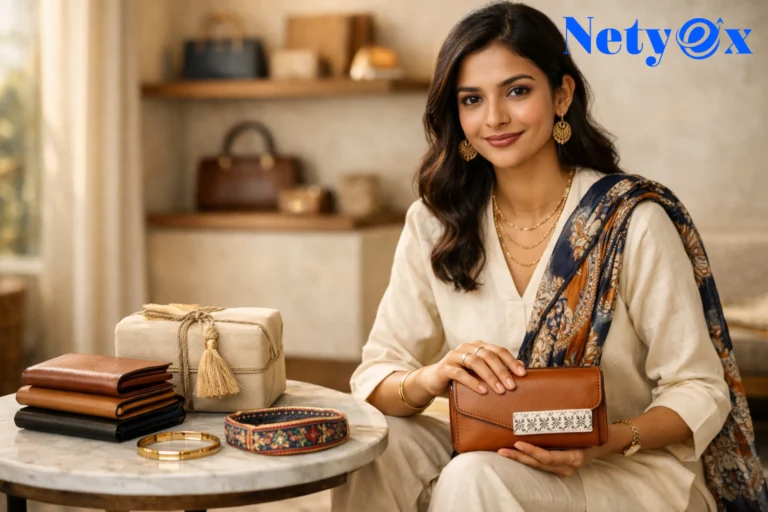
Over the past decade, India has become a major exporter of fashion accessories such as jewelry, handbags, scarves, belts, and hair accessories. Global consumers are increasingly looking for products that combine authenticity, quality craftsmanship, and sustainability. Indian manufacturers are responding by introducing innovative materials, eco-friendly production methods, and digitally enabled supply chains.
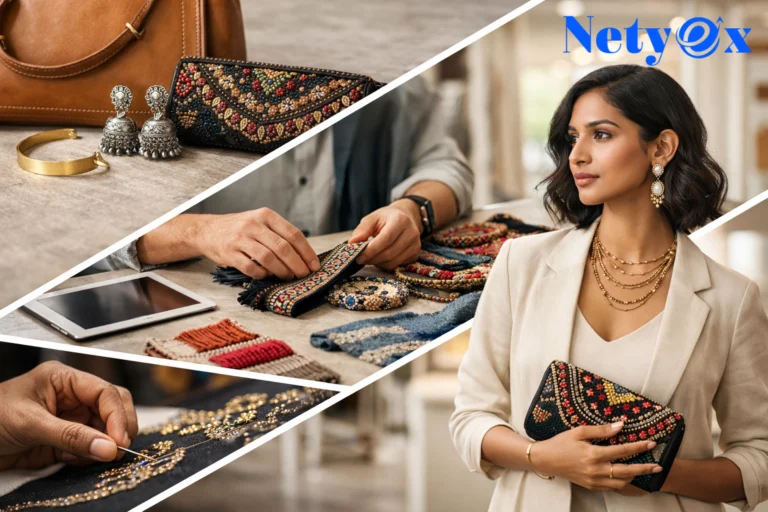
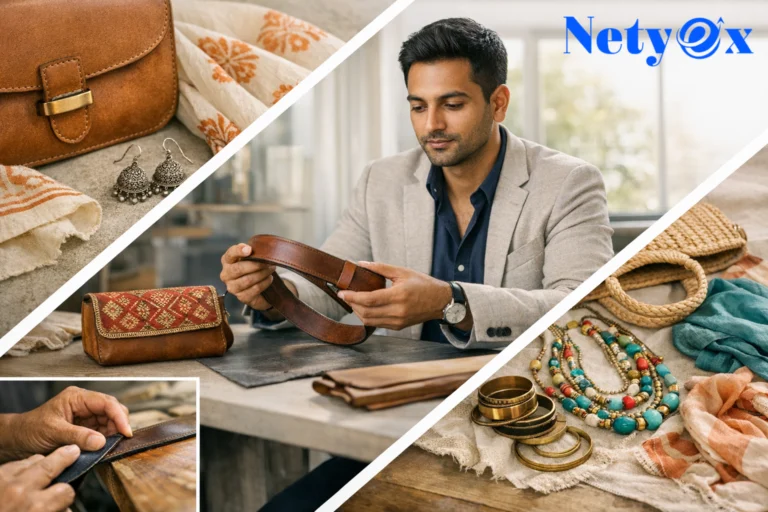
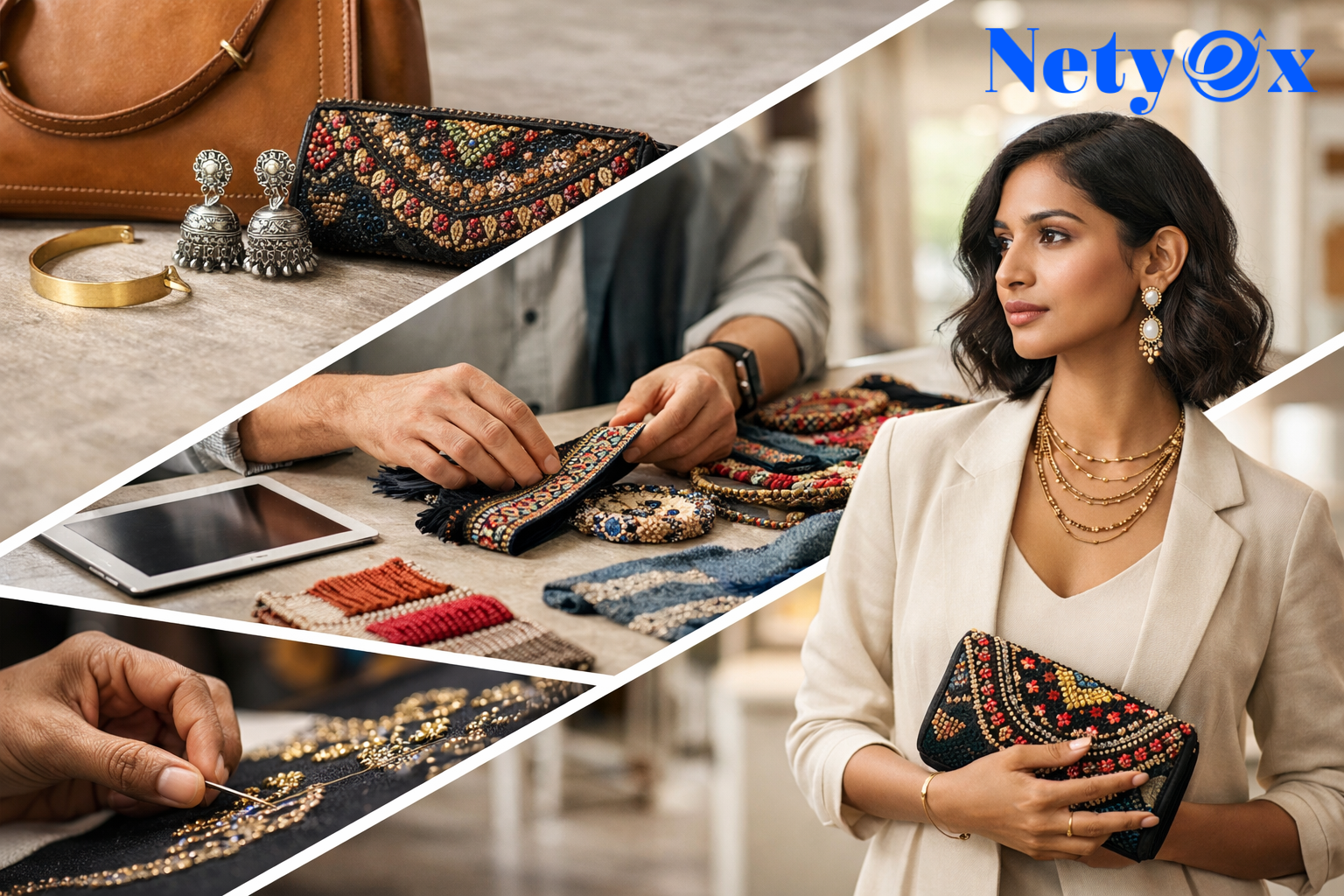
Another reason behind the growing popularity of Indian fashion accessories exports is the country’s large pool of skilled artisans. Many traditional craft techniques—such as embroidery, beadwork, metal engraving, and handloom weaving—are now being integrated into contemporary fashion accessories that appeal to international buyers.
Additionally, digital commerce and global retail platforms have made it easier for Indian exporters to connect directly with buyers worldwide. With supportive government policies and increasing participation in international trade shows, Indian exporters are positioning themselves strongly in global fashion supply chains.
In this article, we explore the Upcoming Trends in Indian Fashion Accessories Exports, highlighting key market shifts, consumer preferences, technological innovations, and future opportunities that will shape the industry in the coming years.
The Growing Global Demand for Indian Fashion Accessories
The global fashion accessories market has experienced steady growth over the last several years, and India has emerged as an important contributor to this expansion. Fashion accessories are often seen as affordable ways for consumers to express personal style, which makes them highly attractive in international markets.
Several factors contribute to the rising demand for Indian accessories:
Cultural Appeal and Unique Design
Indian accessories often incorporate traditional elements such as:
- Hand embroidery
- Intricate beadwork
- Ethnic motifs
- Natural materials like wood, brass, and cotton
These distinctive features differentiate Indian products from mass-produced accessories found in many other markets.
Competitive Manufacturing Costs
India benefits from relatively competitive production costs compared to many Western countries. This allows exporters to offer high-quality accessories at attractive prices while maintaining healthy profit margins.
Strong Export Infrastructure
Major export hubs such as:
- Delhi NCR
- Mumbai
- Jaipur
- Kolkata
- Chennai
provide strong logistics networks, skilled labor, and specialized manufacturing clusters that support the export industry.
As a result, international buyers increasingly source accessories from India to diversify their product portfolios and meet consumer demand for authentic handcrafted goods.
Sustainable and Eco-Friendly Accessories
One of the most significant Upcoming Trends in Indian Fashion Accessories Exports is the shift toward sustainability. Global consumers are becoming more environmentally conscious, and brands are prioritizing eco-friendly materials and ethical production processes.
Indian exporters are responding by adopting greener alternatives in their manufacturing.
Popular Sustainable Materials
Common eco-friendly materials used in accessories include:
- Organic cotton
- Bamboo fiber
- Recycled metals
- Natural dyes
- Vegan leather
These materials reduce environmental impact while maintaining the aesthetic quality of the products.
Ethical Production Practices
Many exporters are also implementing responsible practices such as:
- Fair wages for artisans
- Reduced water consumption
- Low-carbon manufacturing
- Waste recycling systems
Sustainability is no longer just a marketing strategy—it has become a core requirement for global buyers, especially in Europe and North America.
Fusion of Traditional Craftsmanship with Modern Design
India’s traditional crafts are gaining renewed global appreciation when blended with modern fashion sensibilities. Designers are combining centuries-old techniques with contemporary styles to create accessories that appeal to international audiences.
Examples of Craft Fusion
Some popular examples include:
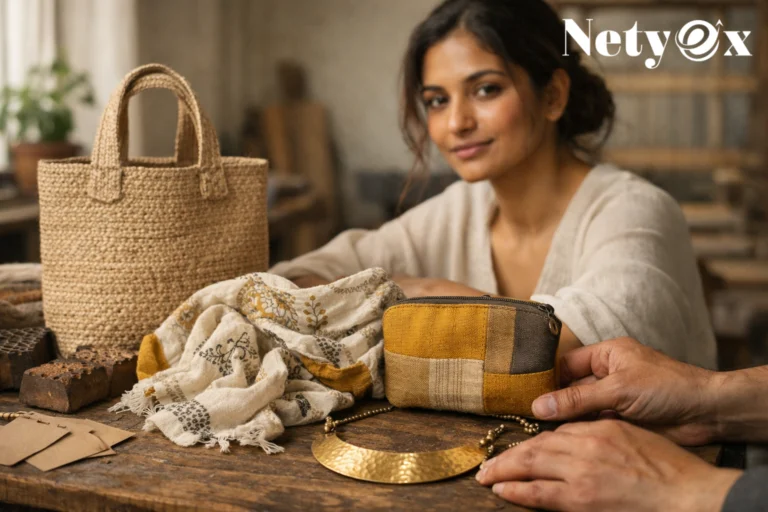
- Hand-embroidered handbags with minimalist silhouettes
- Traditional beadwork incorporated into modern jewelry designs
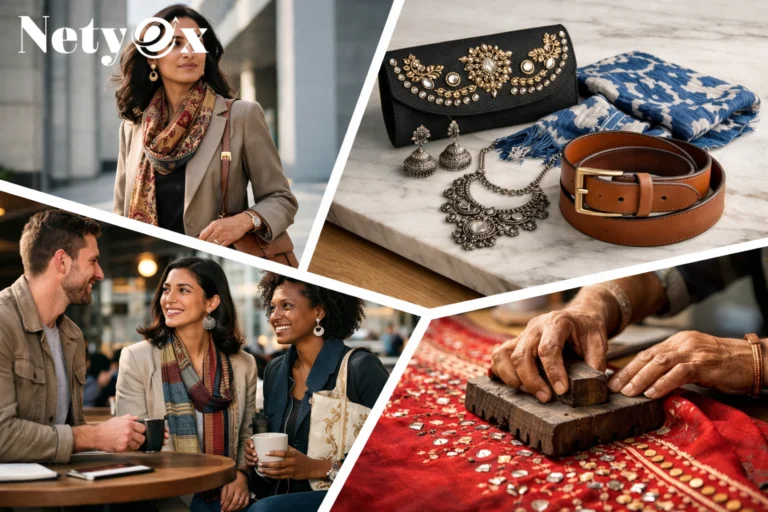
- Block-printed scarves styled for Western fashion markets
This fusion helps preserve heritage crafts while keeping them relevant for modern consumers.
Revival of Artisan Communities
Export demand is also helping revive traditional artisan communities that had previously faced declining demand. Crafts such as:
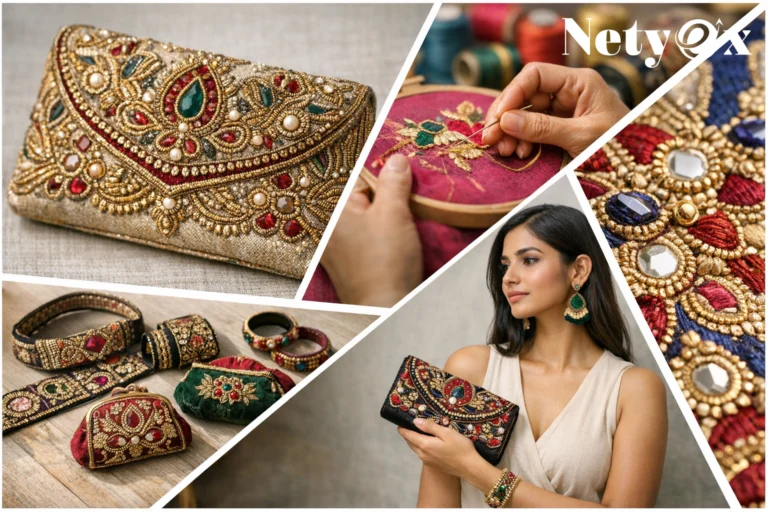
- Zardozi embroidery
- Mirror work
- Dhokra metal casting
are now finding new markets through global fashion accessory exports.
Rise of Digital B2B Marketplaces
Digital platforms are transforming the way fashion accessories are traded internationally. Indian exporters are increasingly using online marketplaces to connect with global buyers.
Benefits of Digital Trade Platforms
Online B2B platforms provide several advantages:
- Faster communication with buyers
- Access to global wholesale markets
- Reduced dependence on intermediaries
- Greater product visibility
These platforms allow even small manufacturers to participate in international trade.
Virtual Trade Shows and Digital Catalogs
Many exporters now showcase their collections through:
- Virtual trade exhibitions
- Interactive digital catalogs
- Online buyer meetings
This shift toward digital trade has accelerated significantly since the pandemic and continues to reshape the export landscape.
Customization and Small-Batch Production
Another important trend is the increasing demand for customized accessories. Global retailers and boutique brands often look for unique designs that differentiate their products.
Indian exporters are adapting by offering:
- Private label production
- Custom color combinations
- Limited edition collections
- Personalized branding options
Small-batch manufacturing allows brands to test new designs without committing to large inventory orders.
This flexibility makes Indian manufacturers attractive partners for emerging fashion labels and niche retailers.
Growth of Handmade and Artisanal Accessories
Handcrafted accessories are becoming increasingly popular among international consumers who value authenticity and craftsmanship.
Why Handmade Products Are Popular
Handmade accessories offer several advantages:
- Unique designs
- Higher perceived value
- Cultural storytelling
- Ethical production narratives
Consumers often view handmade items as more meaningful than mass-produced alternatives.
India’s Strength in Artisan Production
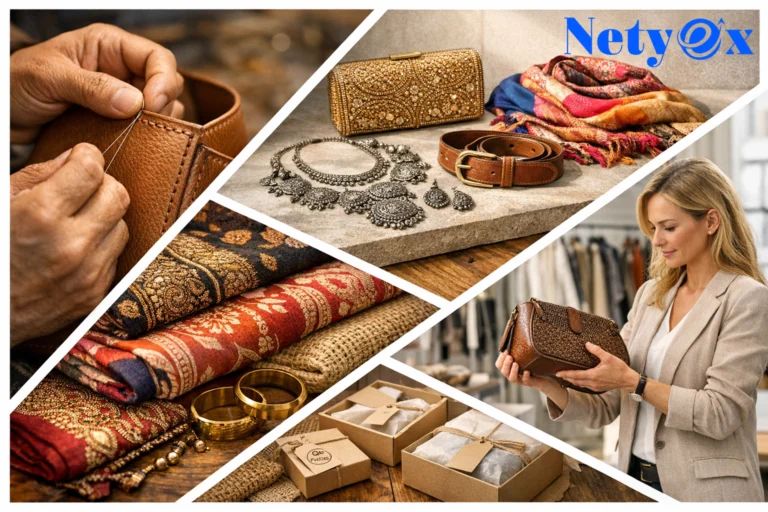
India has millions of skilled artisans specializing in crafts such as:
- Hand beading
- Textile weaving
- Metal engraving
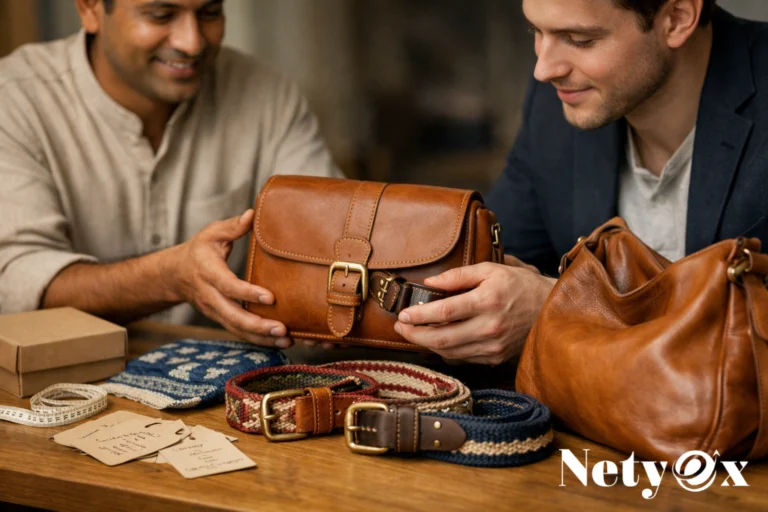
- Leather crafting
Exporters are now highlighting these artisanal skills as key selling points in global markets.
Technology Integration in Manufacturing
While craftsmanship remains important, technology is also playing a growing role in the Upcoming Trends in Indian Fashion Accessories Exports.
Modern manufacturing technologies include:
- Laser cutting for precision designs
- 3D modeling for product development
- Automated embroidery machines
- Digital printing techniques
These technologies allow exporters to maintain high quality while increasing production efficiency.
Additionally, technology helps reduce errors, shorten production timelines, and improve product consistency.
Influence of Global Fashion Trends
International fashion trends strongly influence accessory exports. Indian manufacturers closely follow global runway shows, fashion magazines, and consumer behavior to anticipate demand.
Popular Global Trends Influencing Exports
Some current trends shaping accessory exports include:
- Minimalist jewelry
- Oversized statement accessories
- Neutral color palettes
- Multi-functional accessories
By adapting to these trends, Indian exporters remain competitive in the global fashion industry.
Expansion into New Export Markets
While traditional export destinations such as the United States and Europe remain important, Indian exporters are increasingly exploring new markets.
Emerging Markets for Fashion Accessories
Promising export destinations include:
- Middle East
- Southeast Asia
- Latin America
- Africa
Rising middle-class populations and growing fashion awareness in these regions are driving demand for stylish accessories.
Diversifying export markets also helps reduce dependency on a few large buyers.
Government Support for Export Growth
The Indian government plays a significant role in promoting fashion accessory exports through various initiatives.
Key Government Programs
Some supportive programs include:
- Export promotion councils
- Trade development schemes
- Skill development initiatives
- Financial incentives for exporters
These policies encourage small and medium enterprises to participate in global trade and expand their export capacity.
Challenges Facing Indian Fashion Accessories Exporters
Despite strong growth potential, exporters also face several challenges.
Common Industry Challenges
Some major challenges include:
- Fluctuating raw material prices
- Supply chain disruptions
- Intense global competition
- Changing international regulations
Addressing these challenges requires continuous innovation, efficient logistics, and strong quality standards.
Future Outlook for the Industry
The future of Indian fashion accessories exports appears highly promising. As global consumers continue to seek unique, sustainable, and ethically produced products, India is well positioned to meet these demands.
Industry experts predict continued growth due to:
- Increasing online global trade
- Rising interest in handcrafted goods
- Growing sustainable fashion movement
- Expanding global fashion markets
With the right strategies, India could become one of the leading suppliers of fashion accessories worldwide.
Frequently Asked Questions (FAQs)
1. What are fashion accessories exports from India?
Fashion accessories exports from India include products such as jewelry, handbags, belts, scarves, hair accessories, and other decorative fashion items that are sold to international markets.
2. Why are Indian fashion accessories popular worldwide?
Indian accessories are popular due to their unique craftsmanship, cultural heritage, high-quality materials, and competitive pricing.
3. What are the key Upcoming Trends in Indian Fashion Accessories Exports?
Key trends include sustainability, artisan craftsmanship, customization, digital trade platforms, and the integration of technology in manufacturing.
4. Which countries import the most fashion accessories from India?
Major importers include the United States, the United Kingdom, Germany, France, and several Middle Eastern countries.
5. How are Indian exporters adapting to sustainable fashion trends?
Exporters are using eco-friendly materials, reducing waste, and adopting ethical labor practices to meet global sustainability standards.
6. What opportunities exist for new exporters in India?
New exporters can benefit from digital marketplaces, government support programs, and growing demand for handcrafted and sustainable accessories.
Conclusion
The Upcoming Trends in Indian Fashion Accessories Exports reflect a dynamic blend of tradition, innovation, and global market awareness. Indian manufacturers are successfully combining centuries-old craftsmanship with modern design, sustainability practices, and advanced production technologies.
As global consumers increasingly prioritize ethical production, unique designs, and sustainable materials, Indian exporters are well positioned to meet these expectations. The expansion of digital trade platforms, emerging export markets, and supportive government policies further strengthen the industry’s growth potential.
Although challenges remain, the future outlook for India’s fashion accessories export sector is extremely promising. With continued innovation, investment in artisan skills, and strategic global partnerships, India can further establish itself as a leading force in the international fashion accessories market.