


The Importance of Quality Certifications in the Carpet Industry
Quality certifications act as proof that a carpet meets certain predefined standards. These standards may relate to material quality, environmental impact, manufacturing processes, or ethical labor practices.
For importers, certifications serve several key purposes.
Ensuring Product Quality and Durability
Carpets are long-term home and commercial investments. Certifications ensure the carpet fibers, dyes, and weaving techniques meet specific durability standards. Buyers can be confident that certified carpets will last longer and maintain their appearance.
Meeting International Import Regulations
Many countries have strict regulations regarding imported textiles and floor coverings. Certifications help ensure carpets comply with these regulations, reducing the risk of customs delays or rejected shipments.
Promoting Ethical Manufacturing Practices
The carpet industry has historically faced scrutiny regarding child labor and unfair working conditions. Certifications ensure manufacturers follow ethical labor practices.
Enhancing Brand Trust
Retailers and distributors benefit from selling certified carpets because consumers increasingly prefer products that meet recognized quality and ethical standards.
Overview of the Indian Carpet Industry
India is one of the world’s largest exporters of handmade carpets. The industry employs millions of artisans and contributes significantly to the country’s textile export sector.
Indian carpets are primarily produced in regions such as:
- Uttar Pradesh (Bhadohi and Mirzapur)
- Rajasthan
- Kashmir
- Punjab
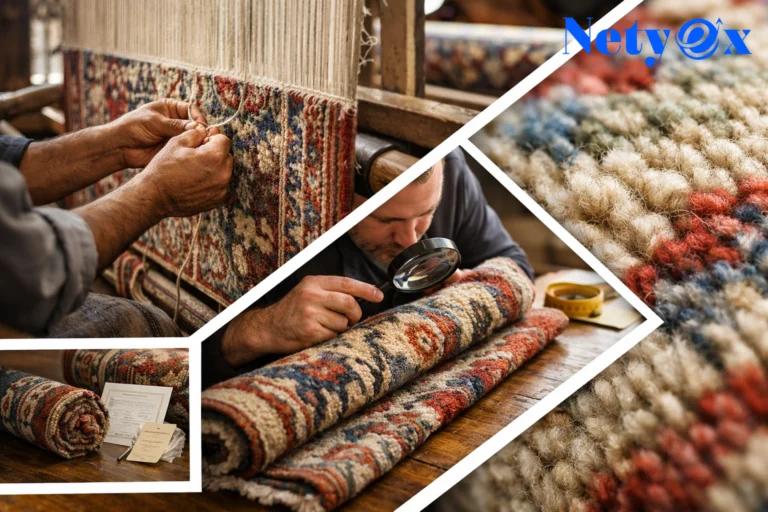
These regions are famous for producing carpets using traditional weaving techniques passed down through generations.
Indian carpets are known for:
- Intricate hand-knotting
- Natural dyes
- Premium wool and silk materials
- Unique artistic patterns
However, to compete in international markets, manufacturers must meet globally recognized quality standards.
Major Quality Certifications for Indian Carpet Imports
Several certification systems help ensure the quality and ethical production of Indian carpets. Importers should familiarize themselves with these certifications to make informed purchasing decisions.
ISO Certification
ISO (International Organization for Standardization) certification ensures that a manufacturer follows internationally recognized quality management systems.
Key ISO certifications relevant to carpet manufacturing include:
| ISO Certification | Purpose |
|---|---|
| ISO 9001 | Quality management systems |
| ISO 14001 | Environmental management |
| ISO 45001 | Occupational health and safety |
Manufacturers with ISO certification maintain strict control over production processes, ensuring consistent product quality.
GoodWeave Certification
GoodWeave certification is one of the most important ethical certifications in the carpet industry.
It ensures:
- No child labor is used in carpet production
- Workers receive fair wages
- Manufacturing facilities meet safe working conditions
GoodWeave inspectors conduct regular audits of production facilities. Certified carpets carry a GoodWeave label, which allows buyers to trace the product back to its source.
For importers who prioritize ethical sourcing, GoodWeave certification is highly valuable.
Woolmark Certification
Woolmark certification guarantees the quality and authenticity of wool used in carpets.
Carpets with this certification meet strict requirements for:
- Wool purity
- Fiber strength
- Performance standards
Woolmark-certified carpets often command higher prices due to their guaranteed quality.
Carpet Export Promotion Council (CEPC) Certification
The Carpet Export Promotion Council (CEPC) is a government-supported organization that promotes Indian carpet exports.
Manufacturers registered with CEPC must follow specific industry guidelines and export regulations. CEPC certification ensures that exporters meet standards related to:
- Quality assurance
- Ethical production
- Export documentation
For international buyers, CEPC membership indicates a reliable exporter.
SA8000 Social Accountability Certification
SA8000 certification focuses on ethical workplace standards.
This certification ensures:
- No forced labor
- No child labor
- Safe working conditions
- Fair wages
- Reasonable working hours
SA8000-certified manufacturers demonstrate strong commitment to social responsibility.
OEKO-TEX Certification
OEKO-TEX certification ensures that carpets are free from harmful chemicals and substances.
Carpets with OEKO-TEX certification have been tested for:
- Toxic dyes
- Harmful chemicals
- Skin irritation risks
This certification is particularly important for carpets used in homes, hotels, and children’s spaces.
Environmental Certifications in Carpet Manufacturing
Sustainability has become a key focus in the global textile industry. Environmental certifications help ensure that carpet production minimizes ecological impact.
Global Organic Textile Standard (GOTS)
GOTS certification applies to carpets made with organic fibers such as organic wool or cotton.
It ensures:
- Organic raw materials
- Environmentally friendly dyeing processes
- Responsible waste management
Green Label Plus Certification
Green Label Plus certification focuses on indoor air quality.
It ensures that carpets emit low levels of volatile organic compounds (VOCs), making them safer for indoor environments such as offices, schools, and homes.
Understanding Handmade Carpet Certifications
Handmade carpets require additional certification due to their labor-intensive production process.
Handmade Carpet Mark
This certification identifies genuine handmade carpets from India.
It protects traditional weaving communities and ensures authenticity.
Silk Mark Certification
Silk carpets require verification of silk purity.
Silk Mark certification confirms that carpets contain genuine silk fibers rather than synthetic alternatives.
Quality Testing Standards for Carpets
Carpet certifications often involve laboratory testing to evaluate performance characteristics.
Common testing parameters include:
Fiber Strength Testing
Determines how well carpet fibers resist wear and tear.
Colorfastness Testing
Ensures carpet dyes do not fade or bleed when exposed to sunlight or cleaning chemicals.
Abrasion Resistance
Measures how well the carpet withstands repeated foot traffic.
Flammability Testing
Some countries require carpets to meet fire safety regulations.
These tests help guarantee the safety and durability of imported carpets.
How Importers Can Verify Carpet Certifications
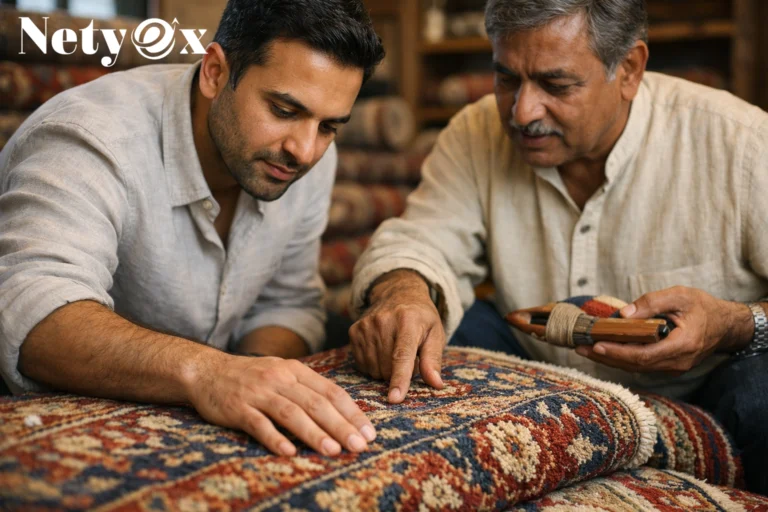
Importers must verify certification authenticity before purchasing carpets.
Check Certification Labels
Most certified carpets carry labels or tags indicating their certification status.
Request Documentation
Manufacturers should provide official certification documents.
Use Certification Databases
Many certification organizations maintain online databases where buyers can verify certified manufacturers.
Conduct Third-Party Inspections
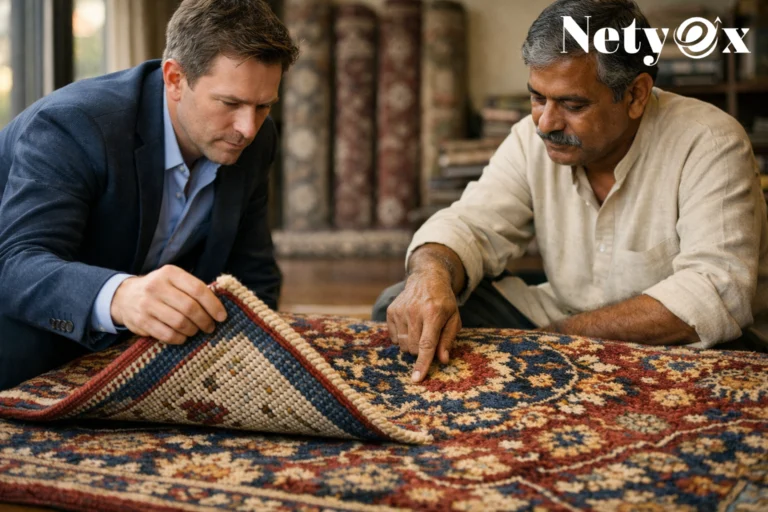
Independent inspection agencies can verify production facilities and product quality before shipment.
Benefits of Certified Indian Carpets for Importers
Importing certified carpets provides several advantages.
Reduced Risk
Certifications reduce the risk of purchasing substandard or unethical products.
Higher Market Value
Certified carpets often sell at premium prices because they meet international standards.
Better Market Access
Some countries require certifications before allowing carpet imports.
Improved Customer Confidence
Consumers are more likely to trust certified products.
Challenges in Certification Compliance
Despite the benefits, certification compliance can present challenges for manufacturers and importers.
Cost of Certification
Obtaining certifications can be expensive for small manufacturers.
Complex Documentation
Certification processes require detailed documentation and audits.
Maintaining Compliance
Manufacturers must continuously meet certification standards through regular inspections.
However, these challenges are outweighed by the long-term benefits of certified production.
Future Trends in Carpet Certification
The carpet industry continues to evolve, with new certification standards emerging.
Digital Traceability
Blockchain technology may soon allow buyers to trace carpets from raw materials to final production.
Stronger Sustainability Standards
Environmental certifications are becoming more rigorous.
Increased Consumer Awareness
Consumers increasingly demand transparency regarding how products are made.
These trends will likely make certification even more important in global carpet trade.
Frequently Asked Questions
What is the most important certification for Indian carpets?
GoodWeave certification is considered one of the most important certifications because it ensures carpets are produced without child labor and under ethical working conditions.
Why do importers need carpet certifications?
Certifications help importers ensure product quality, ethical manufacturing, and compliance with international regulations.
How can buyers verify if a carpet is certified?
Buyers can verify certifications through official labels, manufacturer documentation, and certification organization databases.
Are certified carpets more expensive?
Yes, certified carpets may cost more because manufacturers must invest in compliance and quality control processes.
Do all Indian carpet exporters have certifications?
No, not all exporters have certifications. Importers should always request certification proof before purchasing.
Which certification ensures carpets are free from harmful chemicals?
OEKO-TEX certification ensures that carpets are tested for harmful chemicals and are safe for indoor use.
Conclusion
Understanding Quality Certifications for Indian Carpet Imports is essential for anyone involved in the global carpet trade. Certifications provide assurance regarding product quality, ethical production, environmental responsibility, and compliance with international standards.
For importers, choosing certified carpets helps reduce business risks, improve brand reputation, and meet consumer expectations. Meanwhile, certifications also support responsible manufacturing practices that protect workers, communities, and the environment.
As the global carpet market continues to evolve, quality certifications will play an even greater role in ensuring transparency, sustainability, and trust between manufacturers and buyers.
By prioritizing certified suppliers and verifying certification authenticity, importers can confidently source high-quality carpets from India while contributing to a more ethical and sustainable global textile industry.