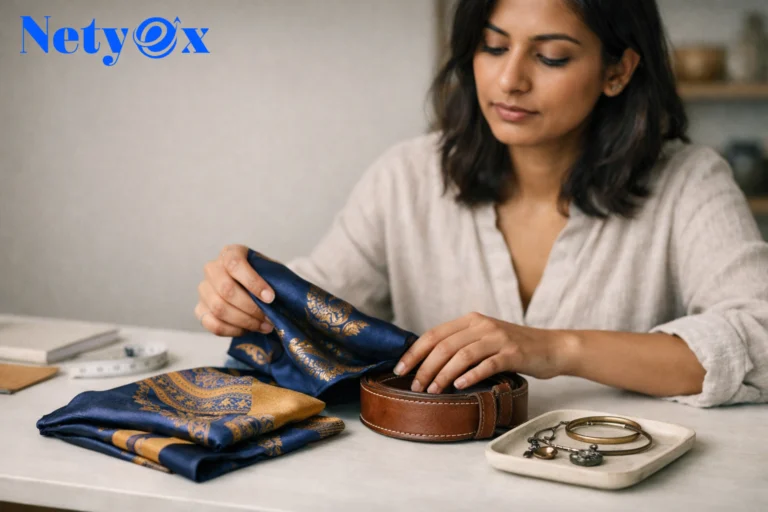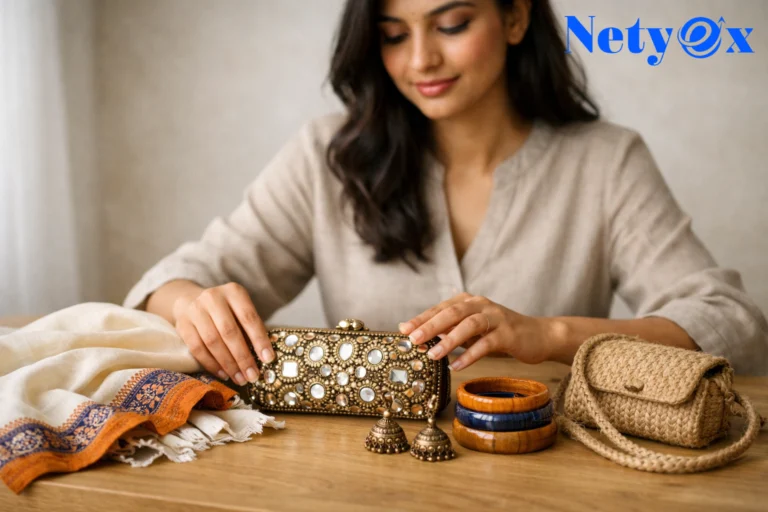


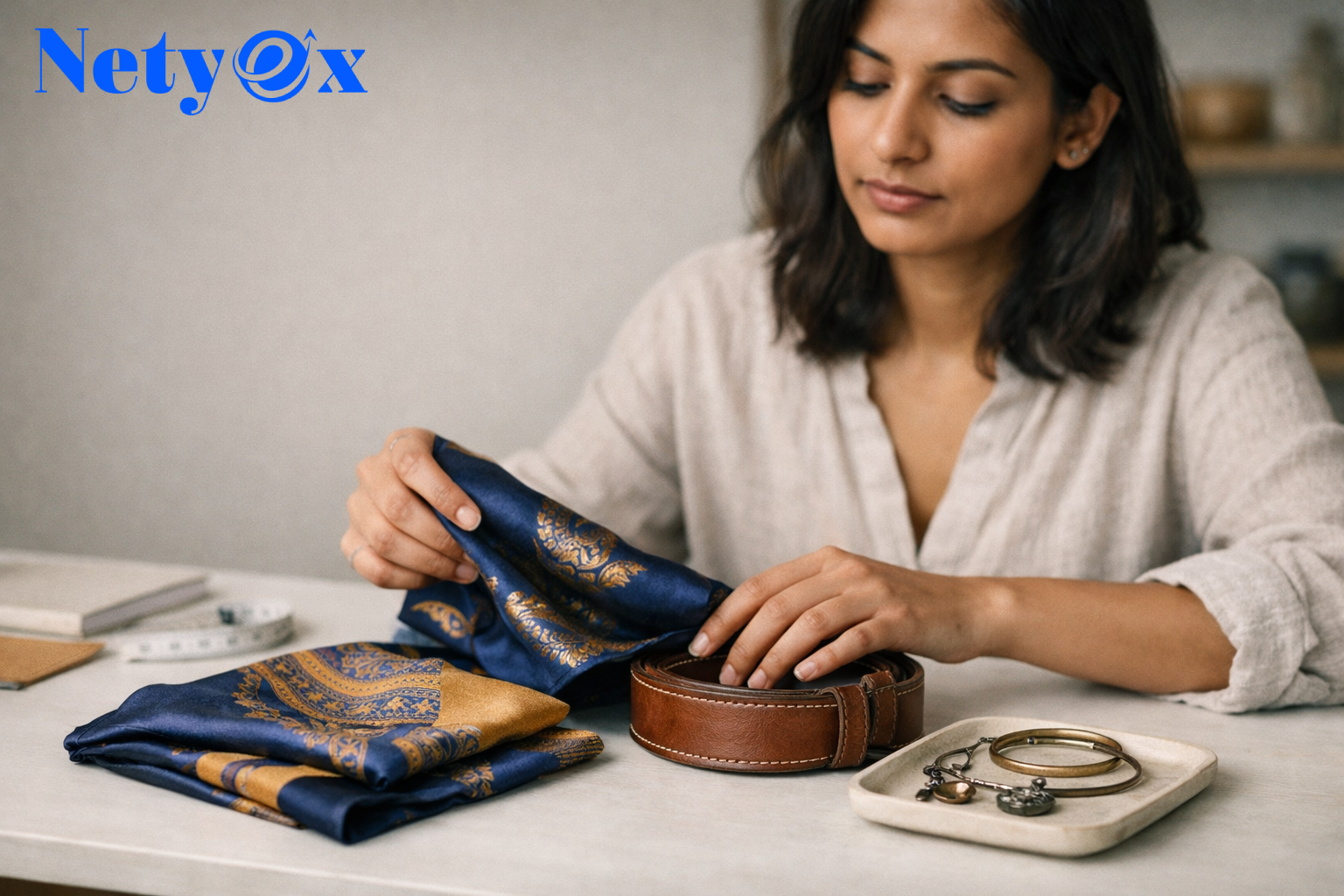
Introduction to The Importer’s Guide to Indian Scarves, Belts, and Jewelry
India has long been known as a global hub for handcrafted fashion accessories. From luxurious silk scarves to intricately designed belts and beautifully crafted jewelry, the country offers a wide variety of products that attract international buyers. The Importer’s Guide to Indian Scarves, Belts, and Jewelry provides valuable knowledge for businesses and entrepreneurs looking to source these items successfully.
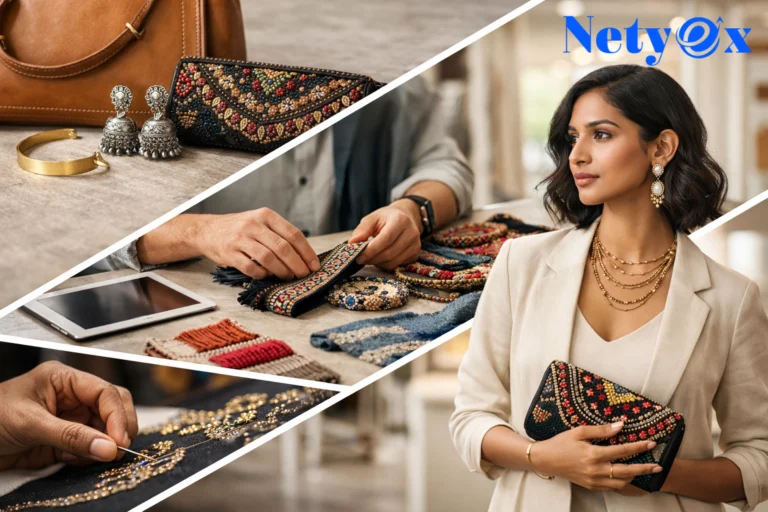
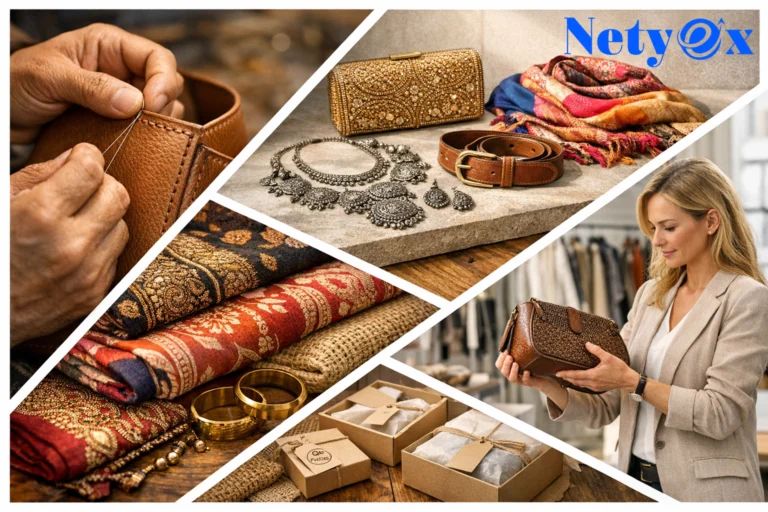
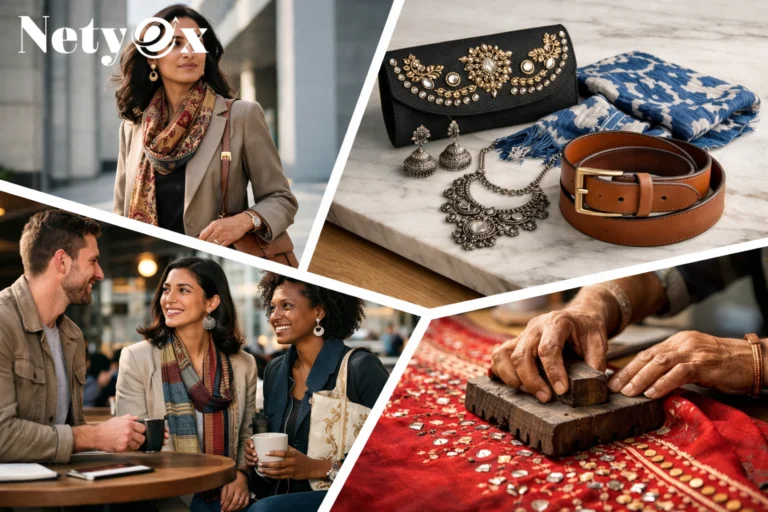
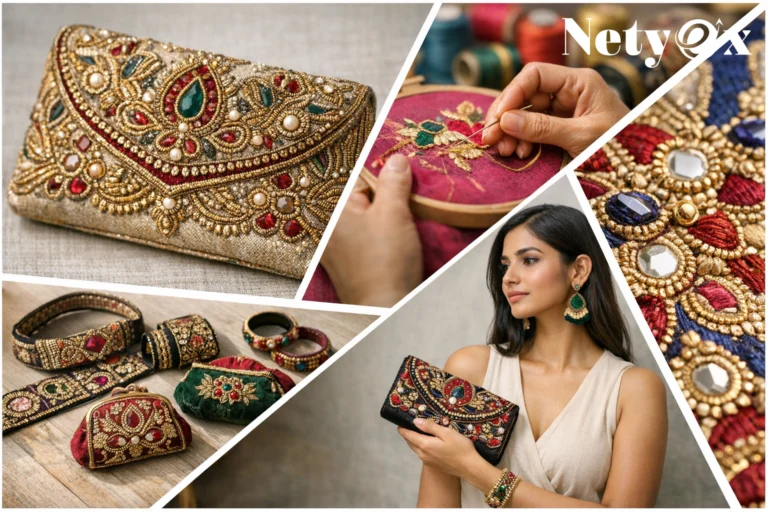
The Indian accessory industry blends traditional craftsmanship with modern design. Skilled artisans create products using centuries-old techniques passed down through generations. Because of this rich heritage, Indian scarves, belts, and jewelry are highly valued in global markets.
Importers are drawn to India for several reasons. First, the country offers a massive variety of styles, materials, and price points. Second, production costs are relatively lower compared to many Western countries. Third, Indian suppliers are experienced in exporting products worldwide.
However, importing fashion accessories from India requires careful planning. Buyers must understand product quality, sourcing methods, logistics, and regulations. Without proper preparation, importers may face delays, inconsistent quality, or unexpected costs.
This comprehensive guide explores everything an importer needs to know—from identifying reliable suppliers to understanding materials, pricing strategies, and shipping logistics. Whether you are a startup boutique owner or a large retailer, learning the fundamentals of importing Indian accessories can help build a profitable business.
By the end of this guide, you will have a clear roadmap for sourcing high-quality scarves, belts, and jewelry from India while minimizing risks and maximizing profits.
Understanding India’s Fashion Accessory Industry
India’s accessory industry is one of the largest handicraft sectors in the world. It includes thousands of manufacturers, artisan groups, exporters, and wholesale suppliers.
The country produces accessories using a mix of traditional handcrafting and modern manufacturing. Many regions specialize in particular products. For example:
- Rajasthan is famous for embroidered textiles and jewelry.
- Uttar Pradesh produces fine silk scarves and beadwork.
- Gujarat is known for mirror work and decorative belts.
- Tamil Nadu specializes in temple jewelry and metal crafts.
These regional specialties create a unique advantage for importers. Buyers can source distinctive products that are difficult to replicate elsewhere.
The industry also supports millions of artisans, many of whom work in small workshops or family-run businesses. Because of this decentralized production system, importers often work directly with exporters or sourcing agents who coordinate manufacturing.
Another key advantage of sourcing from India is customization. Many suppliers are willing to modify designs, materials, and packaging according to buyer requirements.
However, importers should be aware that production timelines can vary depending on craftsmanship, seasonal demand, and export schedules.
Why Global Buyers Prefer Indian Scarves, Belts, and Jewelry
International buyers consistently choose Indian accessories because they offer a combination of quality, cultural richness, and competitive pricing.
Unique Design Heritage
Indian fashion accessories often feature traditional motifs, embroidery, and handcrafted techniques. These elements create products that stand out in global retail markets.
Wide Material Variety
Manufacturers use numerous materials such as:
- Silk
- Cotton
- Wool
- Leather
- Brass
- Silver
- Semi-precious stones
This variety allows importers to cater to different customer segments.
Cost Efficiency
Labor costs in India are lower compared to many Western countries. This enables importers to purchase handmade items at reasonable prices while still maintaining strong retail margins.
Scalability
Suppliers in India can produce both small boutique orders and large wholesale quantities, making it suitable for businesses of all sizes.
Types of Indian Scarves Popular in Global Markets
Scarves are one of the most exported fashion accessories from India. They are lightweight, versatile, and highly customizable.
Silk Scarves
Silk scarves are among the most luxurious Indian textile products. They are commonly produced in regions known for silk weaving traditions.
These scarves often feature:
- Hand-painted designs
- Block prints
- Digital prints
- Embroidery details
Silk scarves are especially popular in premium fashion markets.
Cotton Scarves
Cotton scarves are breathable, lightweight, and ideal for everyday wear. They are widely imported by retailers focusing on casual fashion collections.
Cotton scarves often include:
- Traditional block prints
- Handloom textures
- Natural dyes
Wool and Pashmina Scarves
Wool and pashmina scarves are popular during winter seasons. These products are known for their softness, warmth, and luxury appeal.
Authentic pashmina scarves are considered high-value items and require careful verification.
Indian Belts: Styles and Materials
Belts from India are both functional and decorative. Many are handcrafted and feature cultural designs.
Leather Belts
Leather belts are widely exported because of their durability and classic appeal. Indian manufacturers produce both genuine leather and eco-friendly alternatives.
Common styles include:
- Formal leather belts
- Braided leather belts
- Embossed leather belts
Fabric and Embroidered Belts
Some belts are made using textiles rather than leather. These belts feature embroidery, beads, or mirror work and are often used in bohemian fashion.
Decorative Ethnic Belts
Ethnic belts, sometimes called waist belts, are heavily decorated with metal, embroidery, or gemstones. These items are popular in boutique and festival fashion markets.
Indian Jewelry Categories for Importers
Jewelry is one of India’s most diverse export sectors. Importers can find everything from affordable costume jewelry to high-end handcrafted pieces.
Fashion Jewelry
Fashion jewelry is typically made from materials like brass, copper, glass beads, and artificial stones. It is lightweight, affordable, and trendy.
Handcrafted Artisan Jewelry
These pieces are often handmade by skilled artisans and feature detailed craftsmanship such as filigree work, stone setting, or enamel painting.
Traditional Ethnic Jewelry
Traditional jewelry often reflects Indian cultural heritage. Many pieces include elaborate designs inspired by historical royal styles.
Key Sourcing Hubs for Indian Accessories
Several Indian cities serve as major manufacturing and export centers for scarves, belts, and jewelry.
Delhi
Delhi is one of the largest export hubs for fashion accessories. Many international buyers attend trade fairs and sourcing exhibitions here.
Jaipur
Jaipur is known worldwide for gemstone jewelry and handcrafted accessories. The city hosts numerous skilled artisans and exporters.
Mumbai
Mumbai is a major commercial center where many fashion accessory exporters operate.
Kolkata
Kolkata is recognized for textile craftsmanship and handcrafted jewelry production.
How to Find Reliable Indian Suppliers
Finding trustworthy suppliers is crucial for successful importing.
Importers can identify suppliers through several methods:
- International trade fairs
- Export directories
- Industry networks
- Sourcing agents
- B2B marketplaces
When evaluating suppliers, buyers should request:
- Product samples
- Company certifications
- Production capacity details
- References from previous clients
Conducting background checks can prevent potential issues later.
Quality Control for Imported Accessories
Quality control is essential when importing handmade products.
Importers should implement several measures:
- Sample Approval
Always review product samples before placing bulk orders. - Production Monitoring
Stay in communication with suppliers during manufacturing. - Pre-Shipment Inspection
Conduct inspections to verify product quality before shipping. - Material Verification
Ensure that materials such as leather or precious metals meet stated specifications.
These steps help reduce defects and maintain brand reputation.
Pricing and Cost Structure
Understanding the cost structure helps importers calculate profitability.
Typical costs include:
- Product manufacturing price
- Packaging
- Inland transportation
- Export documentation
- Freight shipping
- Import duties and taxes
Importers should negotiate pricing carefully while maintaining fair compensation for artisans and suppliers.
Minimum Order Quantities (MOQ)
Many Indian suppliers operate with minimum order quantities. These quantities depend on product type and production complexity.
For example:
- Scarves may require 100–300 units per design.
- Belts may require 50–200 units.
- Jewelry may allow smaller quantities depending on materials.
Small businesses can often negotiate lower MOQs with artisan workshops.
Packaging and Branding Opportunities
Packaging plays an important role in retail success.
Importers can request customized packaging such as:
- Branded tags
- Custom labels
- Gift boxes
- Eco-friendly packaging
Many Indian exporters offer private labeling services that allow importers to sell products under their own brand.
Shipping and Logistics Considerations
Shipping fashion accessories from India involves several logistics decisions.
Air Freight
Air freight is faster but more expensive. It is suitable for small shipments or urgent deliveries.
Sea Freight
Sea freight is more economical for bulk shipments but takes longer.
Customs Documentation
Importers must ensure that all required documents are completed accurately. These may include:
- Commercial invoice
- Packing list
- Bill of lading
- Certificate of origin
Working with an experienced freight forwarder can simplify the process.
Ethical Sourcing and Sustainability
Modern consumers increasingly value ethically sourced products.
Importers should consider suppliers who:
- Pay fair wages
- Provide safe working conditions
- Use environmentally friendly materials
- Support local artisan communities
Ethical sourcing not only benefits workers but also strengthens brand credibility.
Building Long-Term Supplier Relationships
Successful importers focus on building long-term partnerships with suppliers.
Strong relationships provide several benefits:
- Better pricing
- Priority production
- Improved quality consistency
- Exclusive designs
Regular communication and fair negotiations help maintain trust between buyers and manufacturers.
Market Trends for Scarves, Belts, and Jewelry
Fashion trends change frequently, so importers must stay updated.
Current trends include:
- Sustainable fabrics
- Minimalist jewelry
- Handmade artisan products
- Vintage-inspired accessories
- Cultural fusion designs
Understanding market demand helps importers select products that sell well.
FAQs About The Importer’s Guide to Indian Scarves, Belts, and Jewelry
1. Why are Indian scarves popular worldwide?
Indian scarves are popular because of their high-quality fabrics, handcrafted designs, and cultural artistry.
2. What materials are commonly used in Indian belts?
Common materials include leather, cotton fabric, embroidery textiles, and decorative metals.
3. Is importing jewelry from India profitable?
Yes. Many importers earn strong margins because manufacturing costs are lower while craftsmanship remains high.
4. How can importers verify supplier reliability?
Buyers should request samples, check certifications, review references, and conduct factory inspections when possible.
5. What shipping method is best for importing accessories?
Sea freight is usually best for large orders, while air freight is ideal for smaller or urgent shipments.
6. Can importers customize designs with Indian manufacturers?
Yes. Many suppliers offer customization services including materials, colors, branding, and packaging.
Conclusion
The Importer’s Guide to Indian Scarves, Belts, and Jewelry highlights the enormous opportunities available in India’s fashion accessory market. With its deep cultural heritage, skilled artisans, and competitive pricing, India continues to be one of the most attractive sourcing destinations for global buyers.
However, successful importing requires more than simply placing an order. Importers must understand product categories, sourcing regions, supplier reliability, quality control processes, and logistics planning.
By carefully selecting suppliers, maintaining strong partnerships, and staying informed about market trends, businesses can build a sustainable and profitable accessory import operation.
For retailers, boutique owners, and entrepreneurs, Indian scarves, belts, and jewelry offer a unique opportunity to introduce beautifully crafted products into international markets while supporting the skilled artisans who create them.