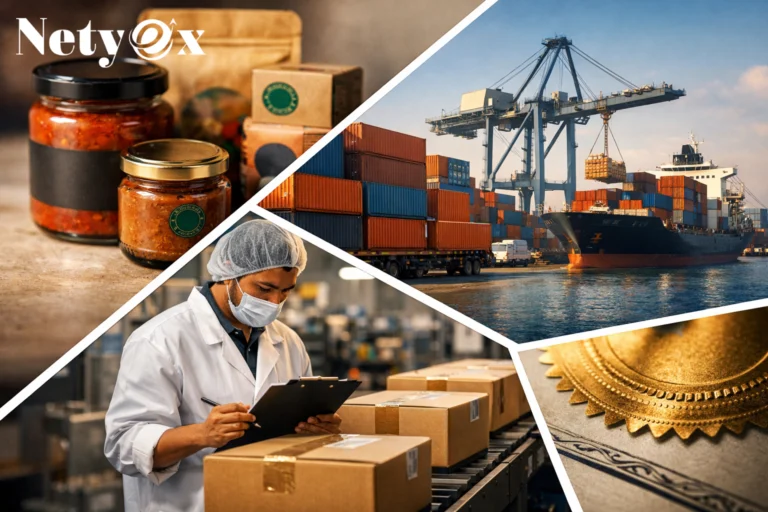



Introduction to Global Digital Trade Evolution
Global trade has always existed, but digital tools have made it faster and more accessible. Over the years, international e-commerce has grown due to improved internet access, mobile devices, and global shipping networks.
By 2030, cross-border online retail will no longer be a niche strategy. It will become standard practice for businesses of all sizes. Small startups will sell worldwide as easily as large corporations. Digital marketplaces, cloud platforms, and smart automation will remove traditional trade barriers.
Simply put, the global marketplace will become one giant digital storefront.
Key Drivers Shaping International Online Retail
Several powerful forces will influence the direction of cross-border commerce over the next few years.
Advancements in Artificial Intelligence
Artificial Intelligence (AI) will play a massive role in personalization and automation. AI systems will:
- Predict consumer preferences
- Recommend products based on browsing history
- Optimize pricing in real time
- Manage inventory with precision
Businesses will use predictive analytics to understand buying patterns across regions. AI-powered chatbots will communicate in multiple languages instantly. This will make international customer service smoother and more efficient.
Blockchain and Secure Transactions
Trust is essential in cross-border transactions. Blockchain technology will enhance transparency and reduce fraud. Smart contracts will automate agreements between buyers and sellers. Payments will verify instantly without lengthy bank processes.
By 2030, blockchain may significantly reduce disputes, improve tracking, and strengthen trust between global partners.
Expansion of Digital Payment Ecosystems
Consumers expect flexible payment options. Digital wallets, mobile banking apps, and multi-currency systems will dominate global transactions.
Seamless currency conversion will happen behind the scenes. Shoppers won’t worry about exchange rates or hidden fees. This convenience will encourage more international purchases.
Changing Consumer Behavior Across Borders
Consumers in 2030 will expect speed, personalization, and transparency.
Demand for Faster Delivery
Customers already expect quick shipping. By 2030, even cross-border deliveries may take just a few days. Advanced logistics systems, smart warehouses, and automated customs processes will make faster delivery possible.
Localization and Cultural Adaptation
Successful businesses will adapt to local cultures. Websites will automatically adjust language, currency, and even product recommendations based on a shopper’s location.
Localization won’t be optional—it will be necessary. Brands that fail to personalize their experience may struggle to compete.
The Role of Logistics and Smart Supply Chains
Logistics will become smarter and more automated.
AI-Powered Inventory Management
Advanced forecasting tools will predict demand in specific regions. Businesses will store products closer to high-demand markets, reducing shipping times and costs.
Sustainable Shipping Solutions
Sustainability will be a key focus. Companies will use:
- Electric delivery vehicles
- Carbon-neutral shipping methods
- Eco-friendly packaging
Consumers will prefer brands that care about environmental impact.
Government Regulations and Trade Policies
International trade laws will continue evolving.
Data Privacy and Cross-Border Data Flow
Governments will strengthen data protection laws. Businesses must comply with international privacy standards. Companies that prioritize data security will gain customer trust.
Digital tax systems will also become more standardized, simplifying compliance for international sellers.
Emerging Markets and Global Expansion
Emerging economies will play a major role in shaping international commerce. Increased smartphone usage and improved internet infrastructure will open new markets.
Businesses that expand early into growing regions will gain a competitive edge. These markets will contribute significantly to global e-commerce growth.
Technology Innovations Reshaping E-Commerce
Technology will redefine online shopping experiences.
- Augmented Reality (AR) will allow customers to preview products virtually.
- Virtual Reality (VR) may create immersive shopping environments.
- Internet of Things (IoT) devices will enable automatic reordering of products.
These tools will make international shopping more interactive and convenient.
Challenges Facing Cross-Border E-Commerce
Despite its potential, challenges will remain:
- Complex regulations
- Fraud and cybersecurity threats
- High international shipping costs
- Cultural misunderstandings
Businesses must stay adaptable and informed to overcome these obstacles.
Opportunities for Small and Medium Enterprises
One of the most exciting aspects of global e-commerce is accessibility. Small businesses will compete on a global scale without massive infrastructure investments.
Digital platforms will provide:
- Integrated logistics solutions
- Marketing automation tools
- Global payment gateways
Entrepreneurs will launch international brands from their laptops.
The Role of Marketplaces in 2030
Online marketplaces will evolve into complete ecosystems. They will offer fulfillment, advertising, analytics, and financing solutions.
These platforms will simplify cross-border expansion, making global selling more efficient for businesses of all sizes.
Sustainability and Ethical Commerce
Consumers will demand ethical sourcing and responsible production. Transparent supply chains will become standard practice.
Brands that prioritize sustainability will build stronger reputations and customer loyalty.
Future Payment Innovations
Biometric authentication, voice payments, and digital currencies may become mainstream. Payment friction will decrease significantly, encouraging more cross-border purchases.
The Impact of 5G and Connectivity
Faster internet speeds will enhance mobile shopping experiences. High-quality product videos, live shopping events, and instant customer support will become normal features.
Improved connectivity will bridge gaps between regions and promote global participation.
Cybersecurity in a Borderless Marketplace
As commerce grows globally, cybersecurity will become even more critical. Advanced encryption, AI-based threat detection, and secure payment systems will protect transactions.
Companies must invest in strong security measures to maintain consumer confidence.
Frequently Asked Questions (FAQs)
1. What is cross-border e-commerce?
Cross-border e-commerce refers to buying and selling goods or services online across international borders.
2. Why will global online trade grow by 2030?
Growth will be driven by technology, digital payments, improved logistics, and increased internet access worldwide.
3. How will AI impact international e-commerce?
AI will enhance personalization, automate customer service, optimize pricing, and improve inventory management.
4. What challenges will businesses face?
Key challenges include regulatory compliance, cybersecurity risks, and shipping complexities.
5. Will small businesses benefit from global trade expansion?
Yes. Digital platforms and global payment systems will allow small businesses to compete internationally.
6. How important is sustainability in 2030?
Very important. Consumers will prefer brands that demonstrate environmental and ethical responsibility.
Conclusion
The landscape of global commerce is changing rapidly. The Future of Cross-Border E-Commerce in 2030 will be defined by innovation, speed, personalization, and sustainability. Businesses that embrace technology, adapt to cultural differences, and prioritize security will thrive.
Digital borders are shrinking. Opportunities are expanding. Companies that prepare today will lead tomorrow’s global marketplace.
The world is becoming more connected than ever—and cross-border e-commerce will sit right at the heart of that transformation.