

Introduction to The Buyer’s Guide to Indian Embroidered Accessories
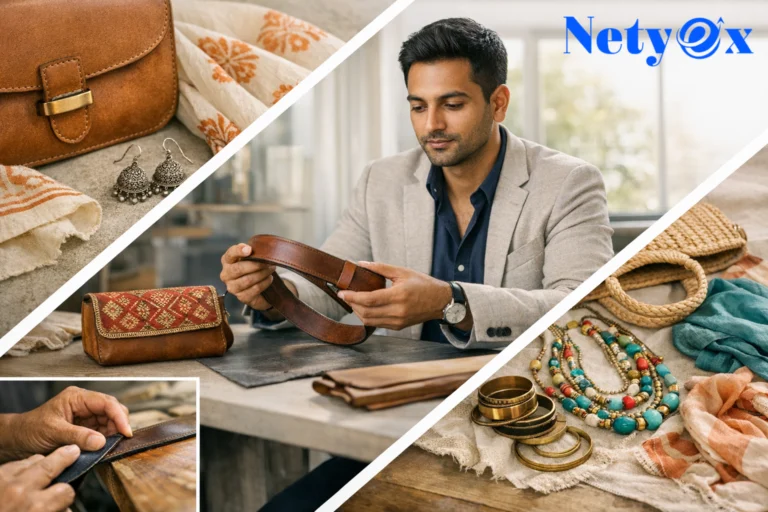
Indian embroidery has been admired for centuries for its rich colors, detailed patterns, and cultural meaning. From royal courts to village homes, embroidery has always played a big role in Indian fashion and decorative art. Today, embroidered accessories such as handbags, scarves, footwear, and jewelry pouches are popular across the world.
If you are planning to buy embroidered accessories from India, it helps to know what makes them special. Each region of India has its own unique embroidery style. These styles use different stitches, fabrics, and decorative elements like mirrors, beads, and threads.
This Buyer’s Guide to Indian Embroidered Accessories will help you understand the types of embroidery, how to check quality, and how to choose pieces that match your style. Whether you are shopping for personal use or looking for gifts, this guide will help you make smart and confident choices.
Why Indian Embroidered Accessories Are So Popular
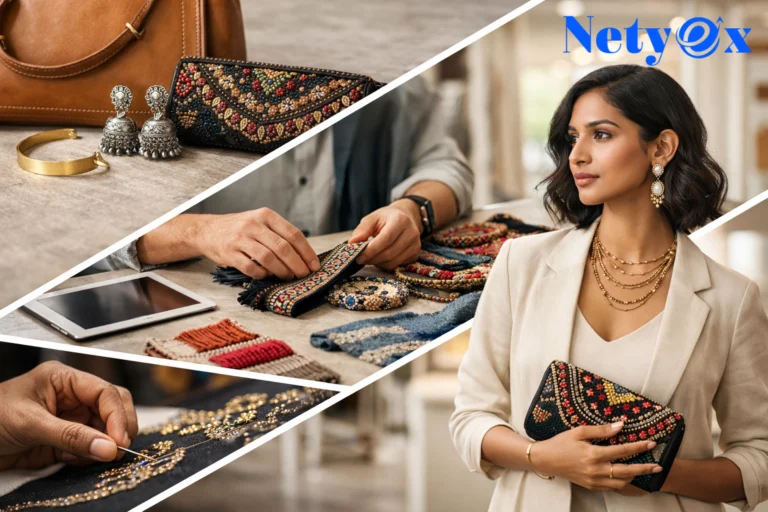
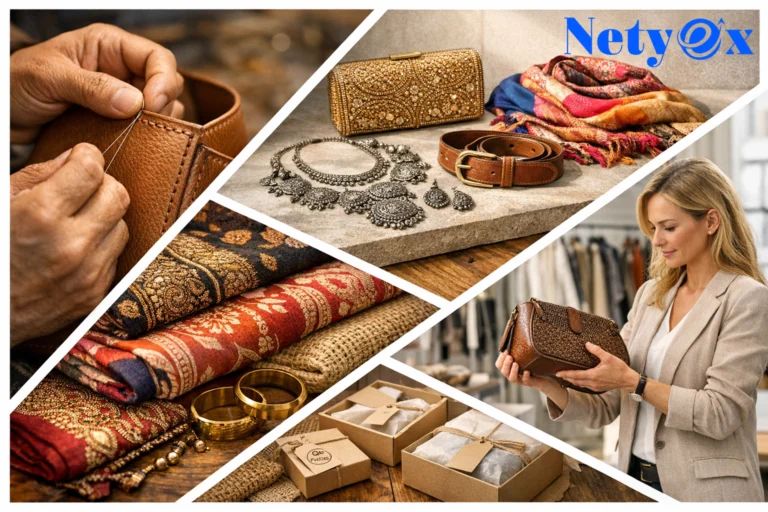
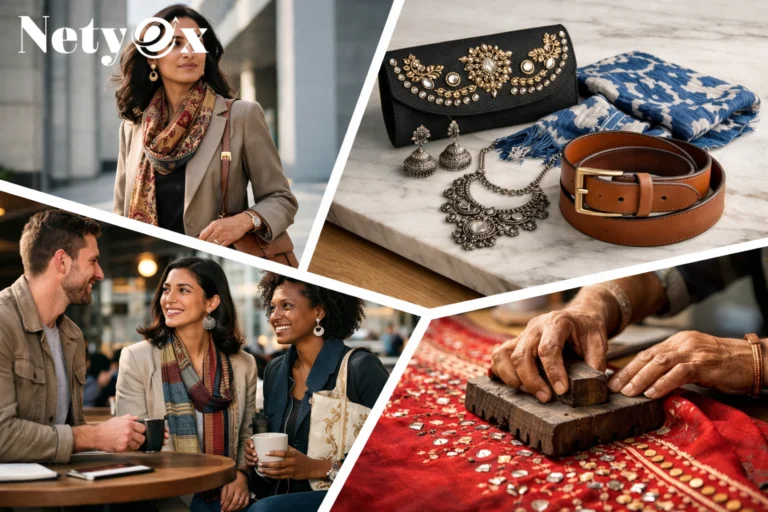
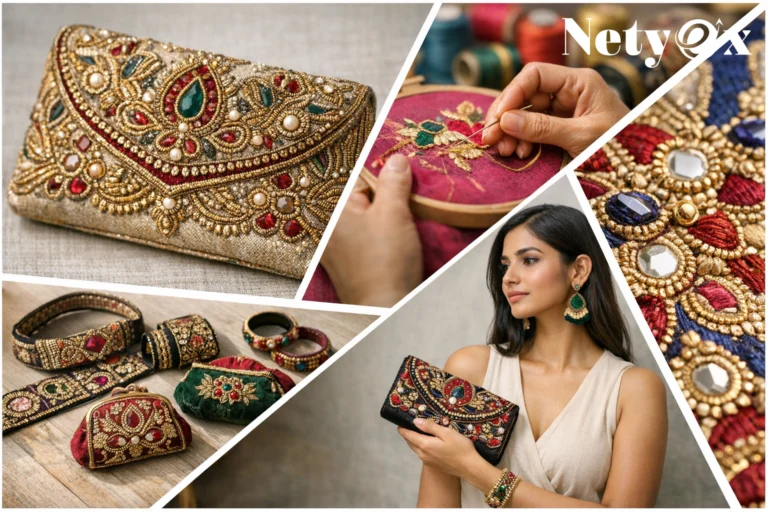
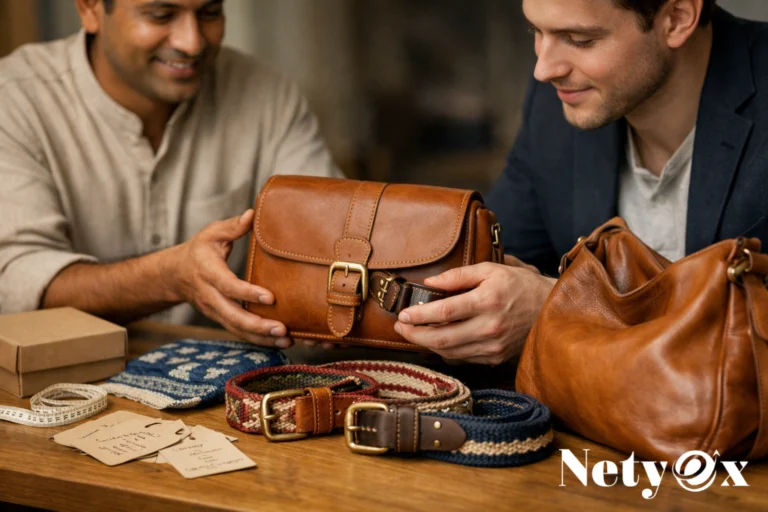
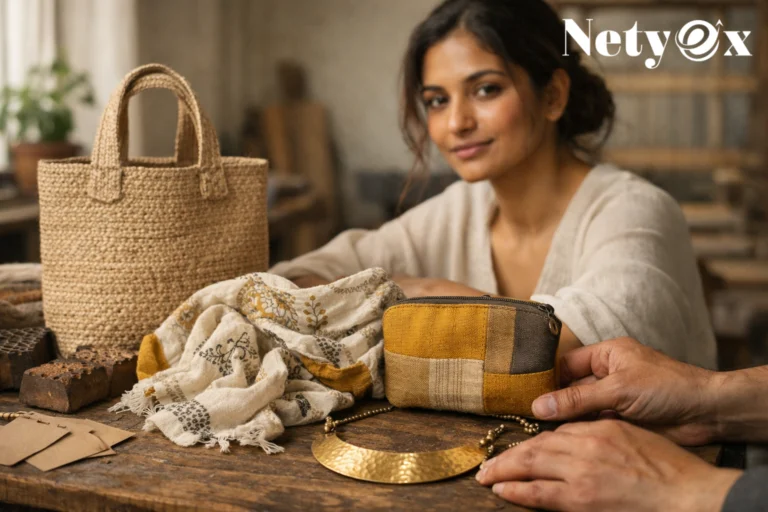
Indian embroidered accessories stand out because they combine art, tradition, and modern fashion. Many of these items are handmade by skilled artisans who have learned their craft through generations.
Here are a few reasons why these accessories are loved worldwide:
Unique Handmade Craftsmanship
Unlike factory-made items, many embroidered accessories from India are handcrafted. This means each piece is slightly different and carries a unique charm.
Hand embroidery often takes hours or even days to complete. The artisan carefully stitches patterns that tell stories of culture and tradition.
Rich Cultural Heritage
India has dozens of embroidery traditions. Each region uses different motifs and stitching techniques. For example, some styles focus on geometric patterns while others use floral or nature-inspired designs.
When you buy an embroidered accessory, you are not just buying a fashion item—you are also supporting centuries-old craftsmanship.
Versatility in Fashion
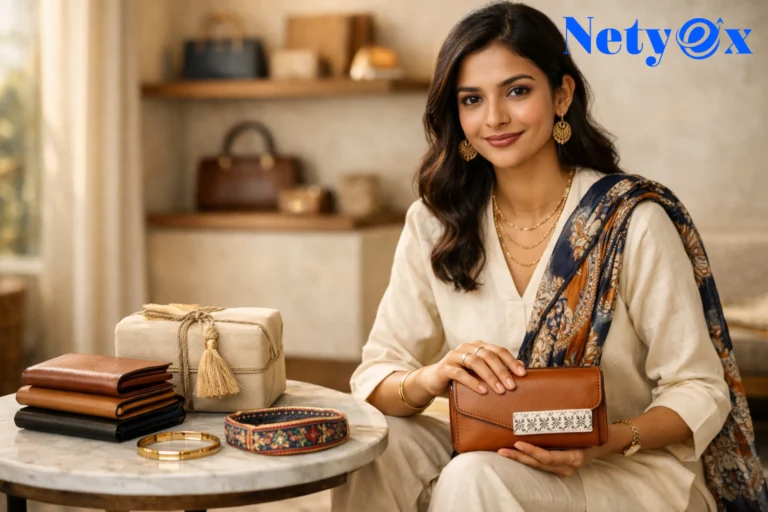
Embroidered accessories can easily match both traditional and modern outfits. You can pair an embroidered clutch with an evening dress or wear an embroidered scarf with casual clothing.
These accessories add texture, color, and personality to any look.
Popular Types of Indian Embroidered Accessories
Indian embroidery appears in many types of accessories. Understanding these options will help you choose the right item for your needs.
Embroidered Handbags and Clutches
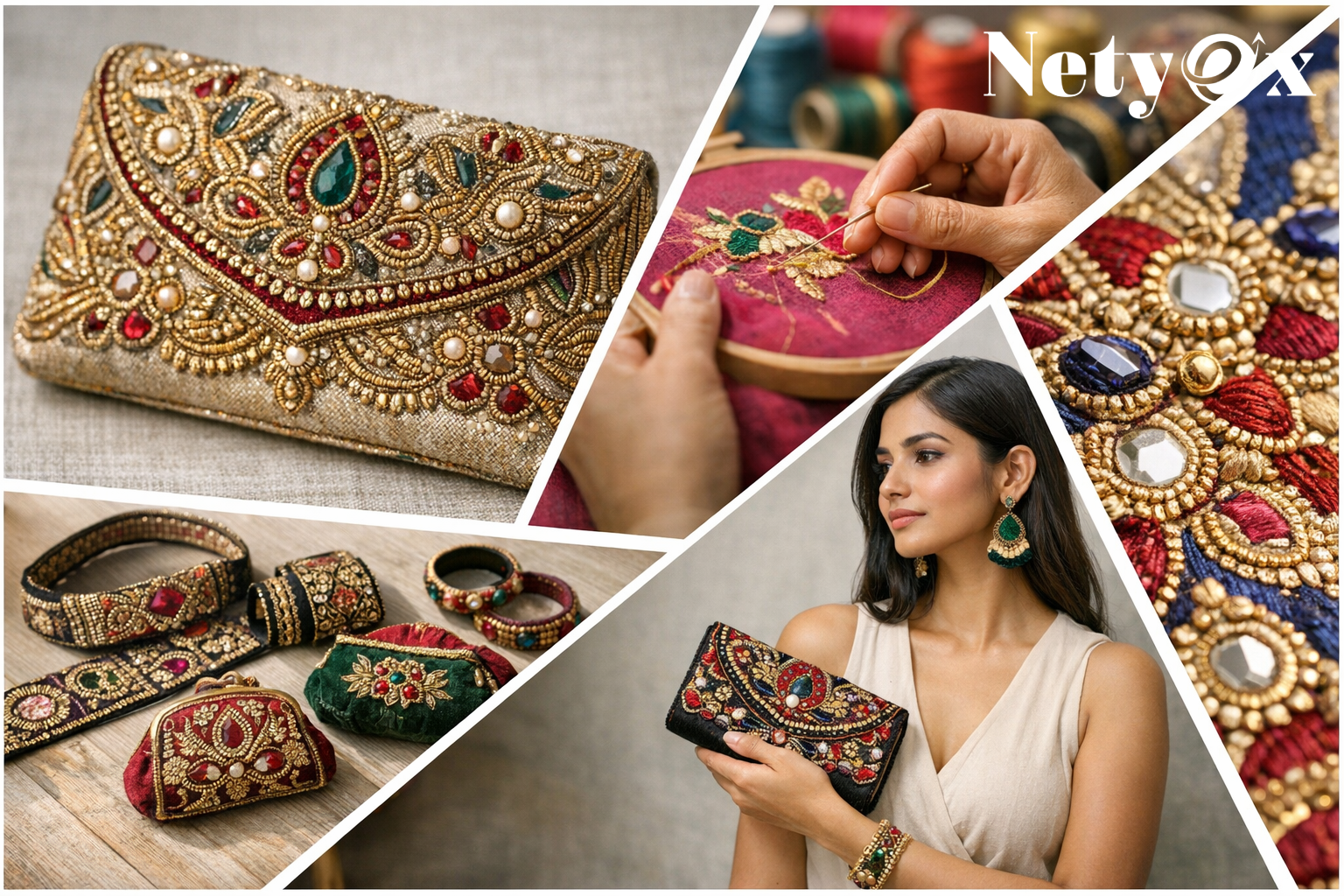
Handbags and clutches are among the most popular embroidered accessories.
They often feature:
- Mirror work
- Bead embroidery
- Thread patterns
- Sequins and metallic threads
These bags can be used for weddings, parties, or everyday fashion.
Embroidered Scarves and Shawls
Scarves and shawls are elegant accessories that highlight embroidery beautifully.
Common features include:
- Soft fabrics like silk, wool, or cotton
- Floral or paisley embroidery
- Hand-stitched borders
These items work well in both winter and spring wardrobes.
Embroidered Footwear
Traditional embroidered footwear such as juttis and mojris have become global fashion items.
They are known for:
- Colorful threadwork
- Comfortable leather or fabric bases
- Decorative motifs
These shoes pair well with both ethnic and contemporary outfits.
Embroidered Jewelry Pouches and Small Accessories
Smaller embroidered items include:
- Makeup pouches
- Phone covers
- Coin purses
- Keychains
These accessories make wonderful gifts and are often more affordable.
Major Indian Embroidery Styles to Know
When shopping, it helps to recognize different embroidery traditions. Each style reflects the culture of its region.
Phulkari Embroidery
Phulkari comes from Punjab and is famous for its bright floral patterns.
Key features include:
- Silk thread embroidery
- Geometric flower designs
- Vibrant colors like red, orange, and yellow
Phulkari accessories often look bold and festive.
Kutch Embroidery
Kutch embroidery originates from Gujarat and is known for mirror work.
Typical elements include:
- Small mirrors sewn into fabric
- Bright thread colors
- Intricate geometric designs
Kutch embroidered bags are especially popular among travelers and fashion enthusiasts.
Chikankari Embroidery
Chikankari is a delicate embroidery style from Lucknow.
It is recognized for:
- White thread embroidery
- Fine floral patterns
- Lightweight fabrics
Chikankari scarves and accessories have an elegant and subtle look.
Kantha Embroidery
Kantha comes from West Bengal and is created using simple running stitches.
Characteristics include:
- Layered fabrics
- Folk-inspired motifs
- Soft texture
Kantha embroidered accessories often look rustic and artistic.
How to Identify Authentic Indian Embroidery
Not every embroidered item in the market is handmade. Some products are machine-made to reduce costs.
Here are a few ways to identify authentic embroidery.
Check the Back of the Fabric
Hand embroidery usually shows loose or uneven threads on the back. Machine embroidery often looks very neat and uniform.
Look for Slight Irregularities
Small variations in stitching are signs of handmade work. These imperfections actually add to the charm and authenticity.
Feel the Texture
Hand embroidery often feels slightly raised or textured, while machine embroidery tends to be flat.
Ask About the Craftsmanship
Good sellers are usually happy to explain how their products are made. Learning about the artisan or region can help confirm authenticity.
Choosing the Right Fabric for Embroidered Accessories
Fabric quality is just as important as embroidery.
Cotton
Cotton is lightweight, breathable, and comfortable. It works well for scarves, bags, and casual accessories.
Silk
Silk provides a luxurious look and feel. Embroidered silk clutches and scarves are popular for special occasions.
Wool
Wool fabrics are often used for shawls and winter accessories. They provide warmth while showcasing embroidery beautifully.
Velvet
Velvet adds richness and depth to embroidered designs, making it ideal for evening bags and festive accessories.
Tips for Buying High-Quality Embroidered Accessories
Before making a purchase, keep these tips in mind.
Examine the Stitch Density
High-quality embroidery has consistent and closely spaced stitches.
Check Thread Quality
Strong threads will not easily break or fray.
Inspect Decorative Elements
If the accessory includes mirrors, beads, or sequins, ensure they are securely attached.
Look at the Overall Finishing
Edges, linings, and closures should be neat and durable.
How to Match Embroidered Accessories With Your Style
Embroidered accessories can complement many fashion styles.
Minimalist Style
Choose subtle embroidery with neutral colors.
Bohemian Style
Look for colorful embroidery with mirror work or tribal patterns.
Formal Style
Select elegant embroidered clutches or shawls in silk or velvet fabrics.
Casual Style
Light cotton embroidered bags or scarves work well for everyday wear.
Caring for Your Embroidered Accessories
Proper care helps preserve the beauty of embroidery.
Avoid Harsh Washing
Hand wash gently or use dry cleaning for delicate fabrics.
Store Carefully
Keep embroidered items in fabric bags to protect them from dust and moisture.
Handle With Care
Avoid pulling on threads or decorations.
Common Mistakes Buyers Make
Many first-time buyers make small mistakes when shopping for embroidered accessories.
Some common ones include:
- Ignoring fabric quality
- Buying machine embroidery thinking it is handmade
- Not checking durability of decorative elements
- Choosing designs that do not match personal style
Being aware of these mistakes can help you shop more wisely.
Benefits of Supporting Artisan-Made Embroidery
Buying handmade embroidered accessories supports skilled artisans.
Preserving Cultural Heritage
Traditional embroidery techniques survive when people continue buying handmade products.
Supporting Local Communities
Many artisans rely on embroidery as their primary source of income.
Promoting Sustainable Fashion
Handmade products often use fewer industrial processes and promote slow fashion.
FAQs About The Buyer’s Guide to Indian Embroidered Accessories
1. What are the most famous Indian embroidery styles?
Some of the most well-known styles include Phulkari, Chikankari, Kantha, and Kutch embroidery.
2. Are Indian embroidered accessories handmade?
Many traditional pieces are handmade, but some modern items are machine embroidered. Checking the stitching and craftsmanship can help identify handmade work.
3. Which fabrics are best for embroidered accessories?
Common fabrics include cotton, silk, wool, and velvet. The best fabric depends on the accessory and occasion.
4. How can I tell if embroidery is authentic?
Look at the back of the fabric, check for slight irregularities in stitching, and feel the texture of the embroidery.
5. Are embroidered accessories suitable for everyday use?
Yes. Many embroidered bags, scarves, and footwear are designed for daily use as well as special occasions.
6. How should embroidered accessories be cleaned?
Delicate embroidered items should be hand washed gently or dry cleaned to protect the stitching.
Conclusion
Indian embroidered accessories combine artistry, culture, and style in a way few fashion items can match. From vibrant mirror work bags to delicate hand-stitched scarves, these accessories offer something for everyone.
By understanding different embroidery styles, fabrics, and quality indicators, you can make informed choices when shopping. This Buyer’s Guide to Indian Embroidered Accessories helps you appreciate the craftsmanship behind these beautiful creations while ensuring you choose pieces that fit your personal style.
When you invest in authentic embroidered accessories, you not only enhance your wardrobe but also support the talented artisans who keep these traditional crafts alive.