


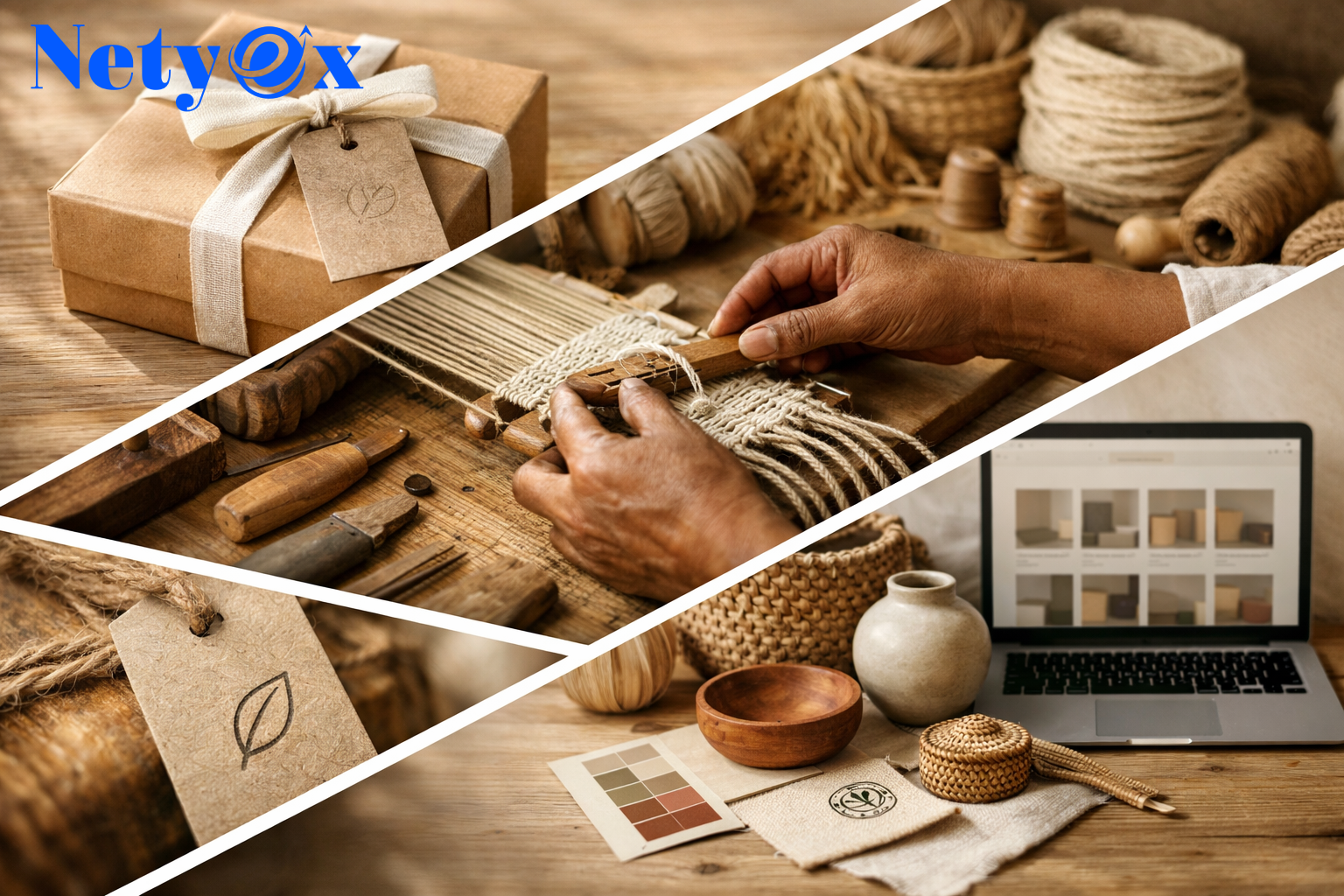
Understanding Sustainable Branding in the Handicraft Industry
Sustainable Branding Tips for Handicraft Exporters are becoming essential in today’s global market. Buyers across Europe, North America, and Asia are actively choosing brands that care about the planet and the people behind the products. Handicraft exporters are in a unique position. Why? Because handmade products already carry stories of tradition, craftsmanship, and culture.
Sustainable branding goes beyond simply using eco-friendly materials. It reflects a business philosophy rooted in environmental care, ethical production, transparency, and long-term responsibility. For handicraft exporters, sustainability is not just a trend—it’s a powerful brand identity.
When your brand stands for responsible sourcing, artisan empowerment, and low environmental impact, you create emotional value. And emotional value drives loyalty.
Why Sustainability Matters in Global Export Markets
International buyers are more informed than ever. Retailers and wholesalers often require compliance with sustainability standards. Consumers read labels, check supply chains, and prefer ethical brands.
Sustainability matters because:
- It increases buyer trust
- It strengthens brand differentiation
- It supports premium pricing
- It reduces regulatory risks
- It builds long-term partnerships
Many importers now demand proof of ethical labor and eco-friendly production. If your brand cannot provide transparency, you risk losing contracts.
Key Elements of Ethical and Sustainable Branding
To build a sustainable handicraft brand, focus on these pillars:
- Environmental responsibility
- Ethical labor practices
- Transparent communication
- Long-term community impact
- Responsible packaging and logistics
When these elements align, your brand message becomes authentic rather than promotional.
Sustainable Branding Tips for Handicraft Exporters
Now let’s dive into practical strategies that can transform your brand positioning.
Source Eco-Friendly Raw Materials
The foundation of sustainability begins with materials. Handicraft exporters should prioritize:
- Organic cotton and natural fibers
- Bamboo and renewable wood
- Recycled metal or glass
- Plant-based dyes
- Non-toxic finishes
Eco-conscious buyers look for environmentally safe inputs. Using sustainable materials reduces your environmental footprint and enhances brand credibility.
Moreover, sustainable sourcing protects traditional resources for future generations. That’s not just good ethics—it’s good business.
Adopt Ethical Production Practices
Handmade products are deeply connected to artisans. Ethical production should include:
- Fair wages
- Safe working environments
- No child labor
- Skill development programs
- Gender equality
Export markets increasingly demand proof of ethical labor. When you treat artisans with dignity, you strengthen your brand reputation globally.
Ethical practices also reduce employee turnover and improve product quality. Happy artisans produce better work—it’s that simple.
Reduce Carbon Footprint in Export Operations
International shipping creates carbon emissions. While exports require logistics, you can still reduce impact by:
- Consolidating shipments
- Choosing sea freight over air freight when possible
- Working with eco-conscious logistics providers
- Using lighter packaging materials
- Optimizing production cycles
Small improvements add up. Over time, reduced carbon footprint strengthens your sustainability claims.
Building a Transparent Supply Chain
Transparency builds trust. Buyers want to know where materials come from and how products are made.
Partnering with Responsible Suppliers
Screen your suppliers carefully. Ask questions such as:
- Do they follow environmental guidelines?
- Do they ensure ethical labor conditions?
- Can they provide certifications?
- Do they minimize waste?
Choose suppliers who share your sustainability vision. A weak link in the supply chain can damage your entire brand.
Communicating Your Ethical Story
Your sustainability story must be clear and authentic. Share:
- Artisan backgrounds
- Community impact stories
- Sustainable sourcing practices
- Before-and-after environmental improvements
Use simple, honest language. Avoid exaggerated claims. Modern consumers can detect “greenwashing” instantly.
Storytelling transforms sustainability from a feature into a powerful emotional connection.
Eco-Friendly Packaging Solutions
Packaging is often overlooked, but it significantly impacts brand perception.
Biodegradable and Recyclable Materials
Switch to:
- Kraft paper
- Recycled cardboard
- Compostable mailers
- Soy-based inks
- Cloth packaging bags
Plastic-heavy packaging contradicts sustainable branding efforts. Eco-friendly packaging reinforces your commitment.
Minimalist and Reusable Packaging
Less is more. Minimalist packaging:
- Reduces material usage
- Lowers shipping weight
- Decreases costs
- Appears modern and elegant
Reusable cloth bags or wooden boxes can also enhance product value while staying eco-conscious.
Leveraging Certifications and Compliance
Certifications increase credibility in export markets.
Fair Trade and Artisan Certifications
Certifications demonstrate:
- Fair wages
- Safe working conditions
- Ethical sourcing
- Environmental responsibility
While obtaining certification requires investment, it opens doors to premium international buyers.
Even if certification is not possible immediately, align your practices with recognized standards.
Digital Marketing for Sustainable Branding
Your sustainability efforts must be visible online.
Showcasing Sustainability on Social Media
Post content about:
- Artisan stories
- Production processes
- Sustainable materials
- Community projects
- Environmental initiatives
Transparency builds confidence. Share behind-the-scenes photos and videos. Educate customers about your efforts.
Sustainability content often generates higher engagement because people care about meaningful brands.
Pricing Strategy for Sustainable Products
Sustainable products often cost more to produce. Instead of competing on low prices, focus on value-based pricing.
Highlight:
- Ethical labor
- Quality craftsmanship
- Durable materials
- Cultural heritage
- Environmental responsibility
Educated buyers understand that sustainability has value. Position your brand as premium rather than cheap.
Long-Term Brand Positioning for Global Growth
Sustainable branding is not a one-time campaign. It is a long-term strategy.
To maintain momentum:
- Continuously improve production practices
- Collect customer feedback
- Monitor environmental impact
- Invest in artisan development
- Stay updated on international regulations
Brands that consistently evolve remain competitive.
Sustainable Branding Tips for Handicraft Exporters work best when integrated into daily operations—not treated as marketing slogans.
Common Mistakes to Avoid
- Making false sustainability claims
- Ignoring supply chain transparency
- Using eco-friendly materials but plastic packaging
- Underpaying artisans while promoting ethical branding
- Failing to document sustainability efforts
Avoiding these mistakes protects your reputation.
Measuring Sustainability Impact
Track metrics such as:
- Carbon emissions per shipment
- Percentage of recycled materials used
- Artisan income growth
- Waste reduction levels
- Water usage improvements
Measurement provides proof. Proof builds trust.
Future Trends in Sustainable Handicraft Exporting
The future includes:
- Circular economy models
- Upcycled product lines
- Blockchain supply chain transparency
- Eco-conscious e-commerce platforms
- Carbon-neutral shipping initiatives
Handicraft exporters who adapt early gain competitive advantage.
Frequently Asked Questions (FAQs)
1. Why is sustainable branding important for handicraft exporters?
It builds global trust, attracts eco-conscious buyers, and strengthens long-term market positioning.
2. Do sustainable products cost more to produce?
Yes, but they justify higher pricing due to ethical labor and quality materials.
3. How can small exporters implement sustainable practices?
Start with material sourcing, ethical labor policies, and transparent communication.
4. Is certification mandatory for exporting handicrafts?
Not always, but it significantly improves credibility in international markets.
5. What is greenwashing?
Greenwashing is falsely claiming environmental benefits without genuine action.
6. Can sustainable branding increase profits?
Yes. It builds customer loyalty, supports premium pricing, and attracts responsible buyers.
7. How often should sustainability practices be reviewed?
At least annually, with continuous improvements throughout the year.
Conclusion
Sustainable Branding Tips for Handicraft Exporters are no longer optional—they are essential. The global market is evolving rapidly, and buyers expect transparency, responsibility, and authenticity.
By sourcing eco-friendly materials, ensuring ethical labor, reducing carbon footprint, improving packaging, and communicating transparently, handicraft exporters can build powerful brands rooted in trust.
Sustainability is not just about protecting the planet—it’s about protecting your business future.
When done right, sustainable branding transforms handicrafts from simple products into meaningful global statements of responsibility, culture, and craftsmanship.