

Understanding the Legacy of Indian Carpets
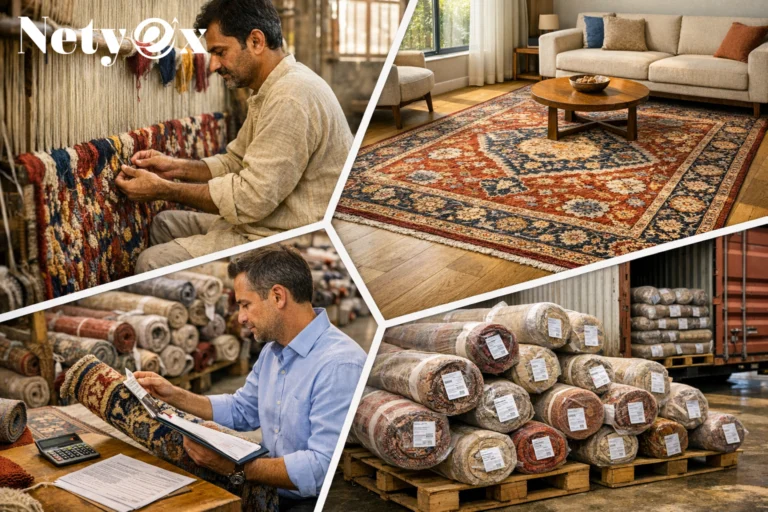
Indian carpets date back to the Mughal era when Persian artisans introduced sophisticated weaving techniques to India. Over time, Indian craftsmen developed their own unique styles, blending Persian influences with local motifs and materials.
Today, Indian carpets are produced in several regions, each known for distinctive weaving traditions.
Major Carpet-Weaving Regions in India
Some well-known regions that produce authentic Indian carpets include:
- Kashmir: Famous for silk carpets with detailed floral patterns
- Bhadohi (Uttar Pradesh): Often called the “Carpet City of India”
- Jaipur (Rajasthan): Known for wool carpets and vibrant designs
- Agra: Renowned for traditional Mughal-inspired patterns
- Mirzapur: Specializes in durable wool carpets
Each region contributes unique styles and techniques, making authenticity verification an important part of the sourcing process.
Why Authenticity Matters
Authenticity ensures:
- High-quality craftsmanship
- Durability and longevity
- Cultural and artistic value
- Fair wages for skilled artisans
- Better resale and investment value
Following proper Sourcing Tips: Ensuring Authenticity in Indian Carpets helps buyers secure genuine handmade pieces instead of factory-made replicas.
Types of Authentic Indian Carpets
Understanding carpet types is essential before sourcing. Different weaving techniques impact durability, price, and authenticity.
Hand-Knotted Carpets
Hand-knotted carpets are considered the most authentic and valuable type.
Key characteristics:
- Thousands of individually tied knots
- Long production time
- Extremely durable
- Unique designs with slight variations
These carpets can take months or even years to complete.
Hand-Tufted Carpets
Hand-tufted carpets are partially handmade using tufting guns.
Features include:
- Faster production time
- Lower cost compared to hand-knotted carpets
- Good aesthetic quality
While authentic, they are less durable than hand-knotted carpets.
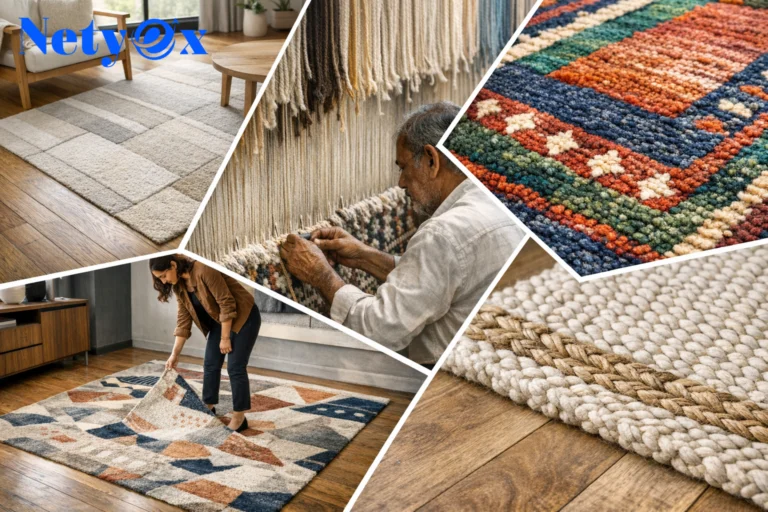
Flat-Weave Carpets (Dhurries)
Flat-weave carpets are lightweight and reversible.
Characteristics include:
- No pile
- Geometric patterns
- Cotton or wool construction
They are widely used in casual and modern interiors.
Sourcing Tips: Ensuring Authenticity in Indian Carpets
Applying the right sourcing strategies can prevent costly mistakes and ensure quality purchases.
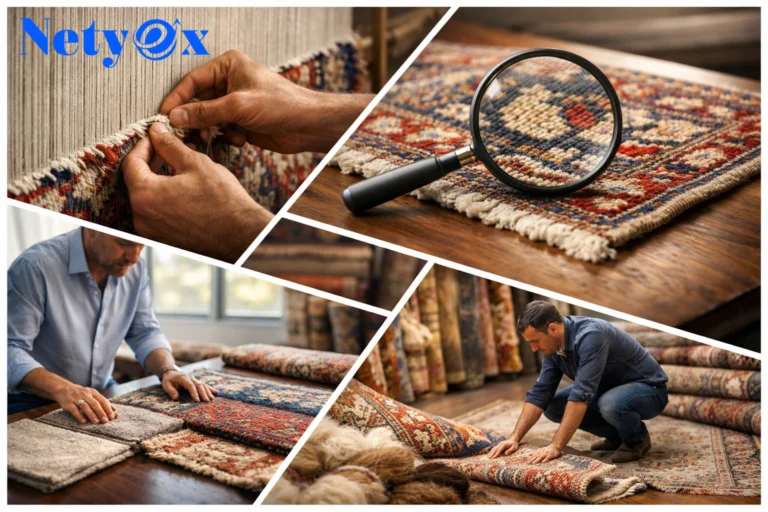
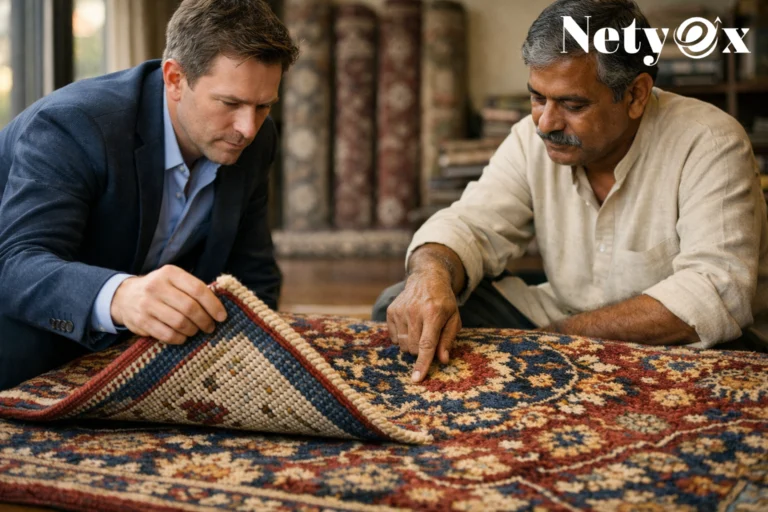
1. Examine the Back of the Carpet
The backside of a carpet reveals whether it is handmade or machine-made.
Authentic hand-knotted carpets will show:
- Slightly uneven knots
- Clear pattern visibility on the backside
- Individual knot structure
Machine-made carpets typically have uniform stitching and synthetic backing.
2. Check Knot Density
Knot density indicates craftsmanship quality.
Measured as knots per square inch (KPSI):
- 80–150 KPSI – Good quality
- 150–300 KPSI – Premium quality
- 300+ KPSI – Luxury craftsmanship
Higher knot density usually means better detail and durability.
3. Evaluate Materials Used
Authentic Indian carpets are made from natural fibers.
Common materials include:
- Wool
- Silk
- Cotton foundations
Synthetic fibers like polyester or polypropylene are signs of machine-made products.
Natural fibers also feel softer and age gracefully over time.
4. Look for Artisan Imperfections
Handmade carpets often contain minor irregularities.
Examples include:
- Slight color variations
- Small asymmetrical patterns
- Subtle weaving inconsistencies
These imperfections actually confirm authenticity and human craftsmanship.
Recognizing Authentic Materials
Material quality plays a major role in determining authenticity.
Wool Carpets
Wool is the most common material used in Indian carpets.
Benefits include:
- Natural durability
- Dirt resistance
- Soft texture
- Long lifespan
High-quality wool carpets can last decades with proper care.
Silk Carpets
Silk carpets are luxurious and extremely detailed.
Characteristics include:
- High knot density
- Smooth texture
- Shimmering finish
These carpets are typically more expensive and delicate.
Cotton Foundations
Many authentic carpets use cotton as the base foundation.
Cotton helps maintain structure and provides stability for knotting.
Identifying Genuine Handcraftsmanship
Authenticity depends heavily on the weaving process.
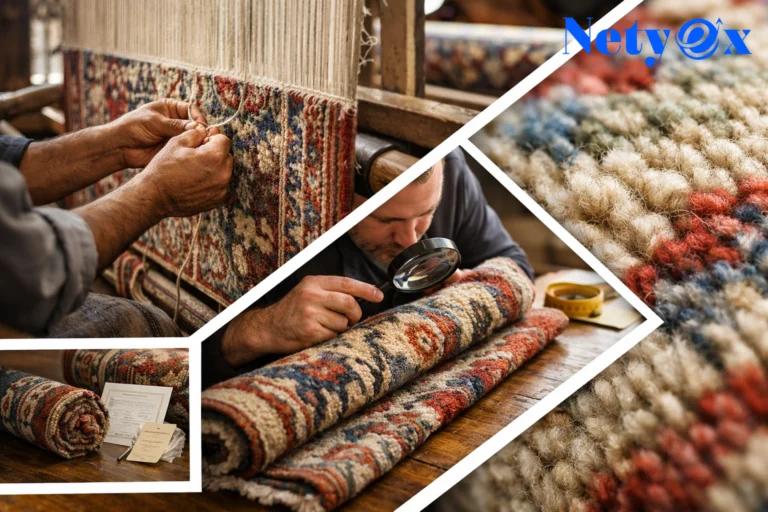
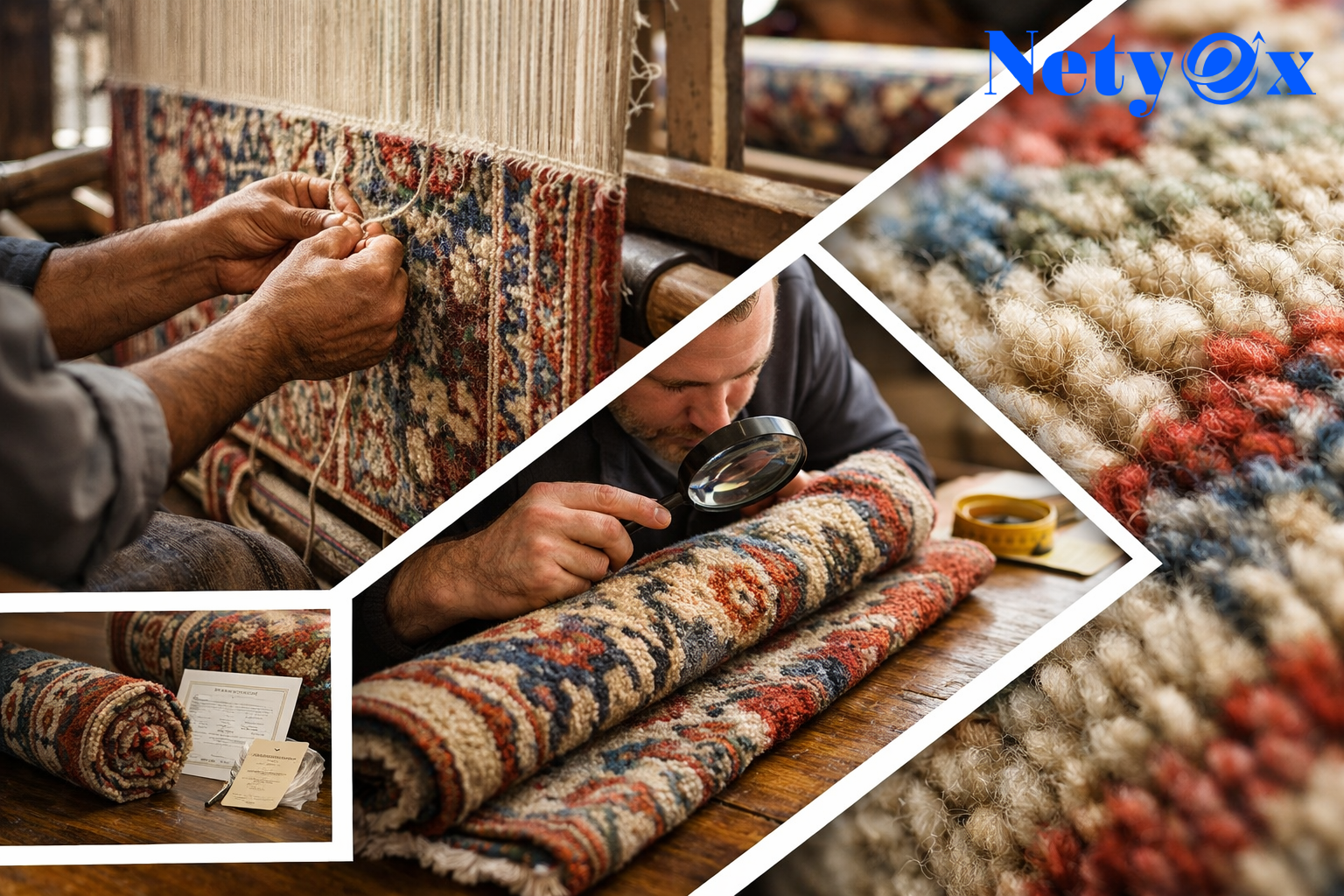
Traditional Loom Weaving
Indian carpets are woven on vertical or horizontal looms.
Key indicators:
- Individual knot tying
- Manual color transitions
- Precise design mapping
Machine carpets lack this handcrafted complexity.
Natural Dye Usage
Traditional carpets often use vegetable or natural dyes.
Common sources include:
- Indigo plants for blue
- Madder root for red
- Turmeric for yellow
Natural dyes produce rich colors that mature beautifully with time.
Hand Finishing Techniques
After weaving, carpets undergo several finishing steps such as:
- Washing
- Stretching
- Shearing
- Trimming
These processes refine the texture and enhance pattern clarity.
Verifying Supplier Credibility
Choosing the right supplier is one of the most important Sourcing Tips: Ensuring Authenticity in Indian Carpets.
Check Supplier Certifications
Authentic suppliers often have certifications such as:
- Handloom certifications
- Export licenses
- Quality assurance certificates
These documents confirm legitimate production practices.
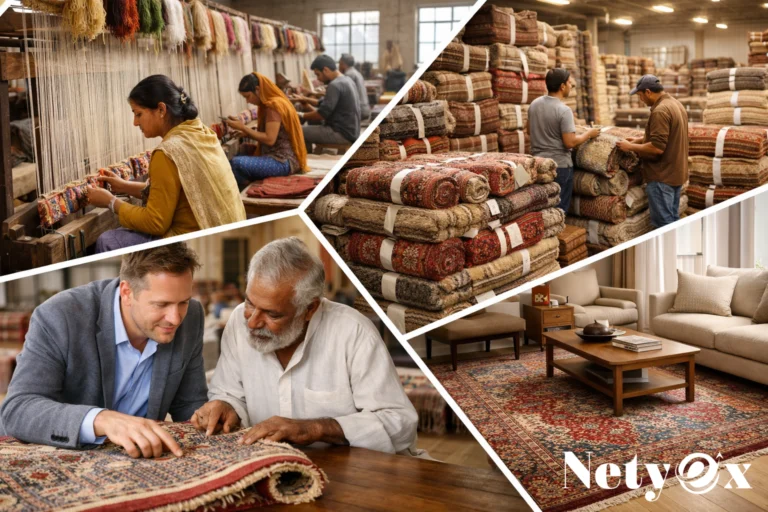
Request Production Transparency
Reliable suppliers should provide:
- Factory or workshop details
- Production photos or videos
- Artisan information
Transparency indicates credibility.
Evaluate Industry Reputation
Before purchasing, research:
- Customer reviews
- Export history
- Trade fair participation
Well-established suppliers usually maintain strong reputations.
Common Signs of Fake Indian Carpets
Recognizing counterfeit carpets helps buyers avoid poor investments.
Perfectly Uniform Patterns
Machine carpets often appear too perfect.
Handmade carpets usually contain small variations.
Synthetic Chemical Smell
Fake carpets made with synthetic fibers often emit chemical odors.
Authentic carpets with natural materials rarely produce such smells.
Very Low Prices
Handmade carpets require significant labor.
If a price seems unusually low, it likely indicates a machine-made product.
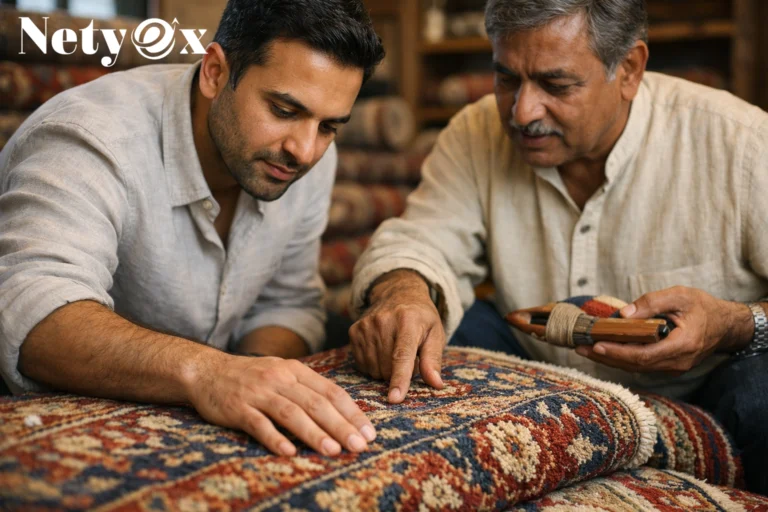
Quality Inspection Before Purchase
Before finalizing a purchase, conduct a thorough inspection.
Color Fastness Test
Rub a damp white cloth on the carpet.
If color transfers significantly, the dyes may be poor quality.
Pile Strength Test
Gently pull the fibers.
If they come out easily, the carpet may not be well constructed.
Flexibility Check
Fold the carpet slightly.
Authentic carpets remain flexible without cracking or stiffening.
Ethical and Sustainable Sourcing
Ethical sourcing is increasingly important in the carpet industry.
Fair Wages for Artisans
Supporting genuine carpet producers ensures artisans receive fair compensation.
This also helps preserve traditional weaving skills.
Avoiding Child Labor
Responsible suppliers follow strict labor regulations and maintain ethical production standards.
Sustainable Materials
Eco-friendly carpets use natural fibers and dyes, reducing environmental impact.
Storage and Transportation Considerations
Proper logistics maintain carpet authenticity and condition.
Safe Packaging
Carpets should be rolled, not folded.
This prevents fiber damage and creases.
Humidity Protection
Moisture can damage natural fibers.
Use breathable packaging materials during transport.
Temperature Control
Extreme heat or humidity may affect dyes and materials.
Controlled environments preserve carpet quality.
Long-Term Value of Authentic Indian Carpets
Authentic carpets often appreciate in value over time.
Benefits include:
- Durability lasting generations
- Unique artistic value
- Cultural significance
- Collector demand
Many antique Indian carpets become valuable collectibles.
FAQs About Sourcing Tips: Ensuring Authenticity in Indian Carpets
1. How can I identify a handmade Indian carpet?
Check the backside of the carpet for visible knots and slight irregularities. Handmade carpets usually have uneven patterns and natural variations.
2. Are hand-knotted carpets better than hand-tufted carpets?
Yes. Hand-knotted carpets are more durable, detailed, and valuable because each knot is individually tied by artisans.
3. Which materials are used in authentic Indian carpets?
Authentic carpets typically use natural materials such as wool, silk, and cotton.
4. Why are handmade Indian carpets expensive?
They require skilled craftsmanship and long production times. Some carpets take months or even years to complete.
5. What regions produce the best Indian carpets?
Kashmir, Bhadohi, Jaipur, Agra, and Mirzapur are well-known for high-quality carpet weaving.
6. Do authentic Indian carpets increase in value over time?
Yes. High-quality handmade carpets often appreciate in value, especially antique or rare pieces.
Conclusion
Authentic Indian carpets represent centuries of artistry, tradition, and craftsmanship. However, identifying genuine pieces requires knowledge, patience, and careful sourcing practices.
By following these Sourcing Tips: Ensuring Authenticity in Indian Carpets, buyers can confidently evaluate materials, weaving techniques, supplier credibility, and quality indicators. Paying attention to knot density, natural fibers, artisan craftsmanship, and reliable suppliers helps ensure that every purchase is truly authentic.
Investing in genuine Indian carpets not only enhances interior spaces but also supports skilled artisans who continue to preserve one of India’s most celebrated artistic traditions.