

Introduction to Seasonal Trends in Indian Crafts for Importers
India is one of the world’s most vibrant craft hubs. With thousands of years of artistic tradition, the country produces handcrafted goods that range from textiles and pottery to metalware, wood carvings, and decorative items. For global buyers and wholesale importers, understanding Seasonal Trends in Indian Crafts for Importers is essential for successful sourcing and inventory planning.
Unlike mass-produced goods, Indian handicrafts often follow seasonal patterns influenced by festivals, cultural events, climate, tourism cycles, and export demand. These seasonal patterns determine which crafts are produced, how they are designed, and when they are most available in the market.
Importers who understand these cycles gain several advantages. They can plan purchasing schedules better, secure competitive pricing, and align their inventory with international demand seasons such as Christmas, summer décor trends, or wedding seasons.
This article explores the key Seasonal Trends in Indian Crafts for Importers, including festival-driven demand, craft production cycles, seasonal materials, and strategic sourcing tips.
Why Seasonality Matters in the Indian Handicraft Export Market
Seasonality plays a significant role in India’s handicraft industry. Many artisans depend on festival seasons, tourism flows, and export orders to determine their production cycles.
Influence of Festivals and Cultural Celebrations
India celebrates hundreds of festivals throughout the year. These events often drive the creation of specific craft items.
Some major examples include:
- Diwali – Decorative lamps, brass items, wall hangings, and festive décor
- Navratri – Traditional textiles, embroidered garments, and jewelry
- Wedding season – Handcrafted décor, gifts, and luxury textiles
- Christmas and New Year exports – Wooden ornaments, candles, and festive decorations
For importers, these periods represent opportunities to source unique, culturally rich products that resonate with global customers.
Production Cycles of Artisan Communities
Many artisans work in rural communities where craft production depends on agricultural cycles and weather conditions. For example:
| Craft Type | Production Season | Key States |
|---|---|---|
| Handloom textiles | Post-harvest months | Gujarat, Rajasthan, West Bengal |
| Pottery | Dry seasons | Uttar Pradesh, Rajasthan |
| Bamboo crafts | Monsoon and post-monsoon | Assam, Tripura |
| Wood carving | Year-round with peak winter production | Kashmir, Saharanpur |
Understanding these cycles helps importers coordinate orders and avoid delays.
Major Festival-Driven Craft Trends
Festivals strongly influence craft demand across domestic and international markets.
Diwali Craft Exports
Diwali, the Festival of Lights, is one of the biggest craft production seasons in India.
Popular export products include:
- Clay diyas (traditional lamps)
- Brass lanterns
- Decorative wall hangings
- Hand-painted home décor
- Marble inlay gifts
Many exporters begin production 6–8 months before Diwali to meet international demand.
Christmas and Holiday Decorations
India has become a major supplier of handmade Christmas decorations for Western markets.
Common items include:
- Wooden ornaments
- Hand-painted baubles
- Fabric stockings
- Decorative candles
- Wreaths and garlands
Importers typically place orders between January and April for holiday delivery.
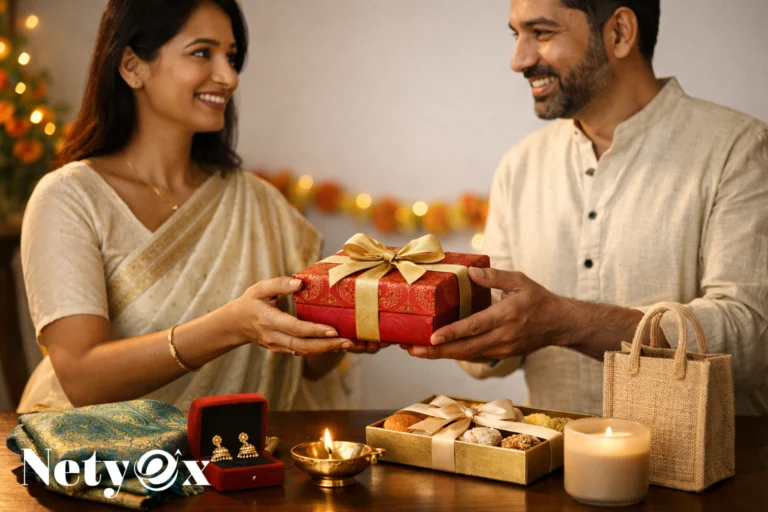
Wedding Season Craft Products
India has multiple wedding seasons throughout the year. This leads to demand for luxury handcrafted products such as:
- Embroidered textiles
- Decorative trays
- Wedding gift boxes
- Metal décor pieces
- Hand-painted furniture
Many of these items translate well into premium home décor products for international markets.
Seasonal Material Availability in Indian Handicrafts
Raw materials also affect Seasonal Trends in Indian Crafts for Importers.
Natural Fiber Crafts
India produces many natural fiber crafts including:
- Jute
- Bamboo
- Cane
- Banana fiber
- Water hyacinth
These materials are typically harvested during monsoon or post-monsoon seasons.
Products include:
- Storage baskets
- Eco-friendly bags
- Lampshades
- Furniture
Demand for these items is growing due to global sustainability trends.
Textile Craft Production
Textiles represent one of India’s largest craft export categories.
Popular handcrafted textiles include:
- Block printed fabrics
- Handloom cotton
- Silk scarves
- Embroidered home décor
Production often increases after agricultural harvest seasons when artisans have more time to weave and dye fabrics.
Regional Craft Trends by Season
India’s diverse geography means each region specializes in different crafts.
Winter Craft Production Regions
During cooler months, artisans focus on detailed crafts such as:
- Kashmiri wool shawls
- Carpet weaving
- Wood carving
These products become popular export items during winter.
Summer Craft Production Regions
Hot weather encourages the production of lightweight crafts including:
- Terracotta pottery
- Block printed cotton textiles
- Handwoven baskets
These items are ideal for global summer décor markets.
Monsoon Craft Activities
During monsoon months, outdoor activities are limited. Many artisans shift to indoor crafts such as:
- Embroidery
- Jewelry making
- Textile weaving
Importers often find unique handmade collections produced during this time.
Home Décor Craft Trends for International Markets
Home décor products dominate Indian handicraft exports.
Trending seasonal categories include:
Spring and Summer Décor
Popular products include:
- Hand-painted vases
- Lightweight cotton cushion covers
- Bamboo furniture
- Decorative baskets
These items align with global trends toward natural textures and eco-friendly design.
Autumn and Winter Décor
Cold season décor trends often feature:
- Brass lanterns
- Wooden sculptures
- Metal candle holders
- Textile wall hangings
These items perform especially well during the holiday season.
Sustainable Craft Trends Influencing Import Demand
Sustainability has become a major driver of global craft demand.
Many international buyers now seek:
- Eco-friendly materials
- Natural dyes
- Recycled fabrics
- Fair-trade production
India’s traditional craft techniques already align well with these values. As a result, sustainable craft collections often sell strongly in international markets.
For importers, promoting the handmade and eco-conscious nature of these products can significantly increase consumer interest.
Digital and Modern Design Trends in Indian Crafts
While traditional crafts remain popular, modern design influences are reshaping the industry.
Some key trends include:
- Minimalist craft aesthetics
- Contemporary color palettes
- Fusion designs combining traditional patterns with modern forms
- Functional crafts such as storage baskets and tableware
These innovations help Indian crafts appeal to younger global consumers.
Strategic Sourcing Tips for Importers
Understanding Seasonal Trends in Indian Crafts for Importers helps businesses plan better purchasing strategies.
Plan Orders Early
Because many crafts are handmade, production takes longer than factory-made goods. Importers should place orders 3–6 months in advance of peak sales seasons.
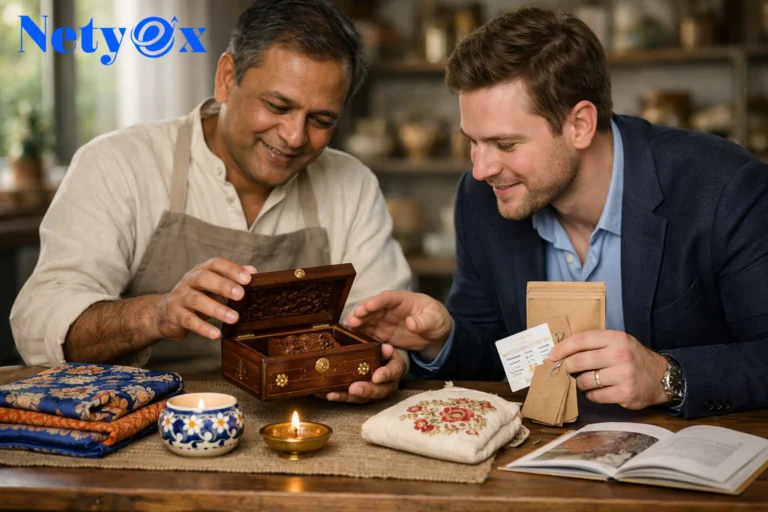
Build Relationships with Artisan Clusters
Working directly with artisan groups ensures:
- Better product quality
- Custom design opportunities
- Consistent supply
Diversify Craft Categories
Importers who source multiple craft categories can adapt more easily to seasonal demand shifts.
For example:
| Season | Recommended Craft Products |
|---|---|
| Spring | Natural fiber décor |
| Summer | Cotton textiles |
| Autumn | Wooden décor |
| Winter | Metal and festive crafts |
Challenges Importers Should Consider
Despite its opportunities, the Indian handicraft market also presents challenges.
Production Delays
Because crafts are handmade, production may take longer than expected.
Seasonal Labor Availability
Many artisans balance craft work with agriculture, which can affect production schedules.
Quality Consistency
Handcrafted items may vary slightly between batches.
Importers who conduct proper supplier verification and maintain strong communication can manage these challenges effectively.
Future Outlook of Indian Craft Exports
The global demand for handmade products continues to grow. Consumers increasingly value craftsmanship, sustainability, and cultural authenticity.
India’s handicraft sector is expected to expand in several key areas:
- Eco-friendly home décor
- Ethical fashion accessories
- Handwoven textiles
- Artisan-made furniture
With better logistics and digital marketplaces, global importers now have easier access to Indian craft suppliers than ever before.
Understanding Seasonal Trends in Indian Crafts for Importers will remain crucial for businesses that want to stay competitive in this evolving market.
FAQs About Seasonal Trends in Indian Crafts for Importers
1. Why are seasonal trends important for craft importers?
Seasonal trends help importers plan their inventory, align with global demand cycles, and place orders at the right time to avoid production delays.
2. Which Indian festivals influence craft production the most?
Major festivals such as Diwali, Navratri, and the wedding season strongly influence craft production and product design.
3. When should importers place orders for Christmas crafts from India?
Most exporters recommend placing orders between January and April to ensure timely production and shipping.
4. Which craft products are popular in international markets?
Popular export categories include home décor, textiles, metal crafts, wooden décor items, and eco-friendly fiber products.
5. Are sustainable crafts becoming more popular?
Yes. Many global consumers prefer eco-friendly products made from natural or recycled materials.
6. Which regions in India are major craft production hubs?
Some well-known craft regions include Rajasthan, Gujarat, Uttar Pradesh, West Bengal, Kashmir, and Assam.
Conclusion
Understanding Seasonal Trends in Indian Crafts for Importers provides valuable insights for global buyers looking to source authentic handmade products. India’s handicraft industry is deeply connected to cultural traditions, festivals, regional materials, and artisan lifestyles.
Importers who recognize these seasonal patterns can plan their sourcing strategies more effectively, reduce supply risks, and align their product offerings with global consumer demand.
With increasing interest in sustainable and handmade goods worldwide, Indian crafts are well positioned to remain a strong presence in international markets. For importers, building long-term relationships with artisans and staying informed about seasonal trends will be the key to long-term success in this vibrant industry.