


Introduction: Understanding the Role of Marketplaces in Helping MSMEs Go Global
The Role of Marketplaces in Helping MSMEs Go Global has become more important than ever in today’s digital economy. Micro, Small, and Medium Enterprises (MSMEs) are the backbone of many economies. They create jobs, boost innovation, and support local communities. But for many small businesses, going global once felt like climbing a mountain without the right gear.
That’s where digital marketplaces step in.
Online marketplaces have transformed the way MSMEs operate. They have removed traditional barriers such as high export costs, limited market knowledge, and lack of global visibility. Now, even a small business in a remote town can sell products to customers across continents.
In this article, we will explore how marketplaces empower MSMEs to enter global markets, reduce risks, increase profits, and build sustainable growth.
What Are MSMEs and Why Do They Matter?
MSMEs refer to Micro, Small, and Medium Enterprises that operate with limited capital, workforce, and infrastructure compared to large corporations.
Key Characteristics of MSMEs
- Small workforce
- Limited investment capital
- Local or regional operations
- Flexible business models
- High innovation potential
Economic Importance of MSMEs
MSMEs contribute significantly to:
- Employment generation
- GDP growth
- Regional development
- Entrepreneurship promotion
In many developing countries, MSMEs account for more than 90% of businesses. That’s huge! However, their growth often remains restricted to domestic markets unless they receive the right support.
Traditional Challenges MSMEs Face in Going Global
Before the rise of digital marketplaces, international expansion was complex and expensive.
1. High Entry Costs
Exporting required setting up foreign offices, hiring distributors, and managing logistics. For small businesses, these costs were often overwhelming.
2. Regulatory and Compliance Barriers
Different countries have different tax rules, import duties, and product standards. Navigating these regulations can be confusing and risky.
3. Limited Global Visibility
Without international marketing budgets, MSMEs struggled to reach global audiences.
4. Payment and Currency Issues
Cross-border payments involve currency exchange, transaction fees, and fraud risks.
5. Supply Chain Complexities
Managing international shipping, warehousing, and returns is not easy for small firms.
These challenges made globalization seem like a distant dream for many MSMEs.
How Digital Marketplaces Are Transforming Global Trade
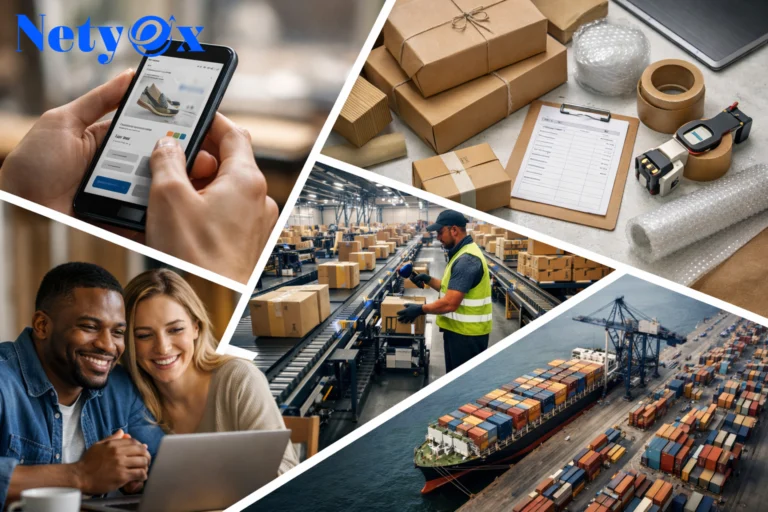
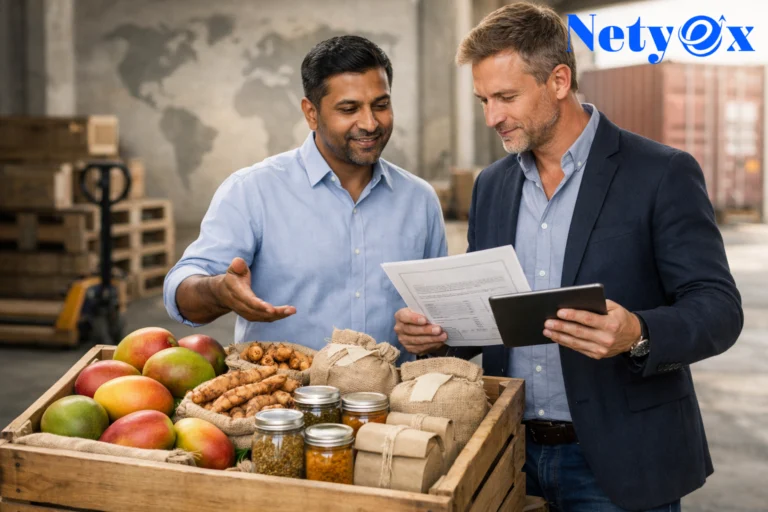
Digital marketplaces have changed the game entirely. They act as intermediaries that connect sellers and buyers across borders.
Instead of building everything from scratch, MSMEs can plug into an existing global ecosystem.
Marketplaces provide:
- Access to millions of customers
- Built-in payment systems
- Logistics support
- Marketing tools
- Customer trust
This transformation highlights the true Role of Marketplaces in Helping MSMEs Go Global — they simplify international expansion and reduce risk.
Lowering Barriers to Entry for International Markets
One of the biggest advantages of marketplaces is reduced entry cost.
Minimal Setup Investment
MSMEs only need:
- Product inventory
- Digital catalog
- Seller registration
There is no need for:
- Physical stores abroad
- Large marketing budgets
- Local distribution networks
Instant Access to Global Customers
Once registered, sellers gain exposure to international buyers immediately.
This dramatically lowers financial risk while expanding opportunity.
Providing Built-in Logistics and Fulfillment Solutions
Logistics can make or break global expansion.
Marketplace Fulfillment Programs
Many marketplaces offer:
- Warehousing services
- Packaging solutions
- International shipping
- Return management
This allows MSMEs to focus on product quality and customer service rather than shipping headaches.
Faster Delivery = Better Customer Experience
Global buyers expect fast delivery. Marketplace logistics networks ensure products reach customers efficiently.
Simplifying Cross-Border Payments
Payment systems are often complicated in international trade. Marketplaces solve this problem.
Secure Payment Gateways
They offer:
- Multi-currency support
- Fraud protection
- Buyer and seller security
Reduced Financial Risk
Automated payment systems minimize:
- Payment delays
- Currency exchange confusion
- Non-payment risks
For MSMEs, this stability builds confidence in international transactions.
Building Trust Through Established Brand Reputation
Trust is critical in global trade.
Customers are more likely to buy from unknown sellers if they are listed on trusted marketplaces.
Customer Reviews and Ratings
Ratings create transparency. Good reviews improve credibility.
Buyer Protection Policies
Marketplaces provide guarantees that encourage customers to purchase from new sellers.
This trust factor plays a major part in the Role of Marketplaces in Helping MSMEs Go Global.
Data Insights and Market Intelligence
Information is power in business.
Analytics Tools
Marketplaces provide:
- Sales reports
- Customer demographics
- Demand trends
- Product performance metrics
Data-Driven Decision Making
MSMEs can:
- Adjust pricing
- Optimize inventory
- Launch new products strategically
This reduces guesswork and increases success rates.
Marketing and Advertising Support
Marketing globally is expensive. Marketplaces simplify it.
Built-in Advertising Tools
Sellers can:
- Run sponsored ads
- Offer discounts
- Participate in global sales events
Search Optimization Features
Marketplace algorithms help products appear in customer searches.
Even small businesses can compete with larger brands.
Encouraging Innovation and Product Diversification
Exposure to global markets pushes MSMEs to improve.
Learning from Customer Feedback
International buyers provide diverse feedback, encouraging product refinement.
Expanding Product Lines
Global demand may inspire:
- New designs
- Customization options
- Improved packaging
Innovation fuels long-term growth.
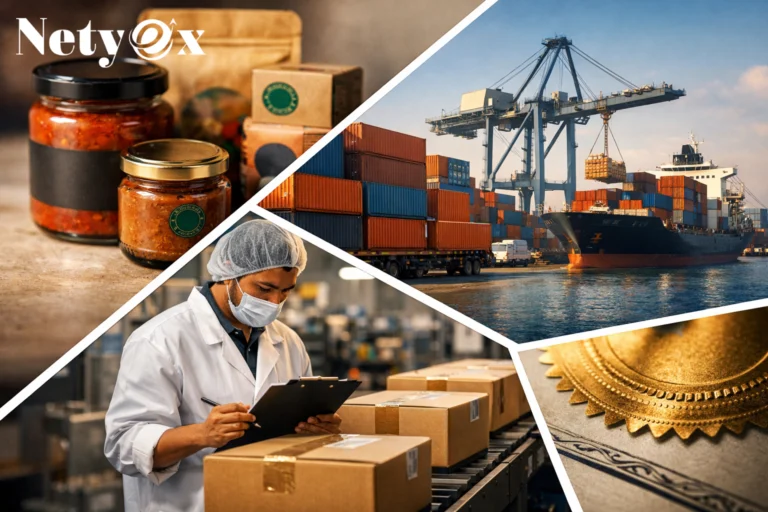
Supporting Compliance and Regulatory Navigation
Marketplaces often provide guidance on:
- Export documentation
- Tax compliance
- Product standards
This reduces legal risks and administrative burden.
Case Example: A Small Business Going Global
Imagine a handmade crafts business operating locally. Through a marketplace:
- It lists products online
- Gains international orders
- Uses fulfillment services
- Receives payments securely
- Builds a global brand reputation
Within a year, exports may exceed domestic sales. That’s the transformative power of digital marketplaces.
Risks and Limitations of Marketplaces
While marketplaces offer huge benefits, they also present challenges:
- High competition
- Platform fees
- Dependence on marketplace policies
- Algorithm changes
MSMEs must diversify channels and maintain brand identity beyond marketplaces.
Future Trends: The Growing Role of Marketplaces
The future looks bright.
Emerging trends include:
- AI-driven recommendations
- Cross-border e-commerce growth
- Integration with social commerce
- Improved logistics technology
These developments will further strengthen the Role of Marketplaces in Helping MSMEs Go Global.
Frequently Asked Questions (FAQs)
1. How do marketplaces help MSMEs expand internationally?
They provide access to global customers, logistics support, payment solutions, and marketing tools in one platform.
2. Are marketplaces expensive for small businesses?
Costs are usually lower than setting up international operations independently.
3. Do MSMEs need export licenses to sell globally on marketplaces?
Requirements vary by country and product type, but marketplaces often guide sellers through compliance steps.
4. What risks do MSMEs face on marketplaces?
Competition, platform fees, and dependency on marketplace rules are common risks.
5. Can MSMEs build their brand identity on marketplaces?
Yes, through consistent branding, quality products, and positive reviews.
6. Is marketplace selling sustainable for long-term growth?
Yes, if businesses balance marketplace sales with independent branding strategies.
Conclusion: Marketplaces as Global Growth Enablers
The Role of Marketplaces in Helping MSMEs Go Global cannot be overstated. They have democratized international trade, making global expansion accessible to businesses of all sizes.
By lowering entry barriers, simplifying logistics, enabling secure payments, and offering marketing tools, marketplaces empower MSMEs to compete on a global stage.
For small businesses dreaming of international success, marketplaces are not just platforms — they are powerful launchpads.
The future of global trade belongs not only to large corporations but also to innovative MSMEs ready to embrace digital opportunities.