

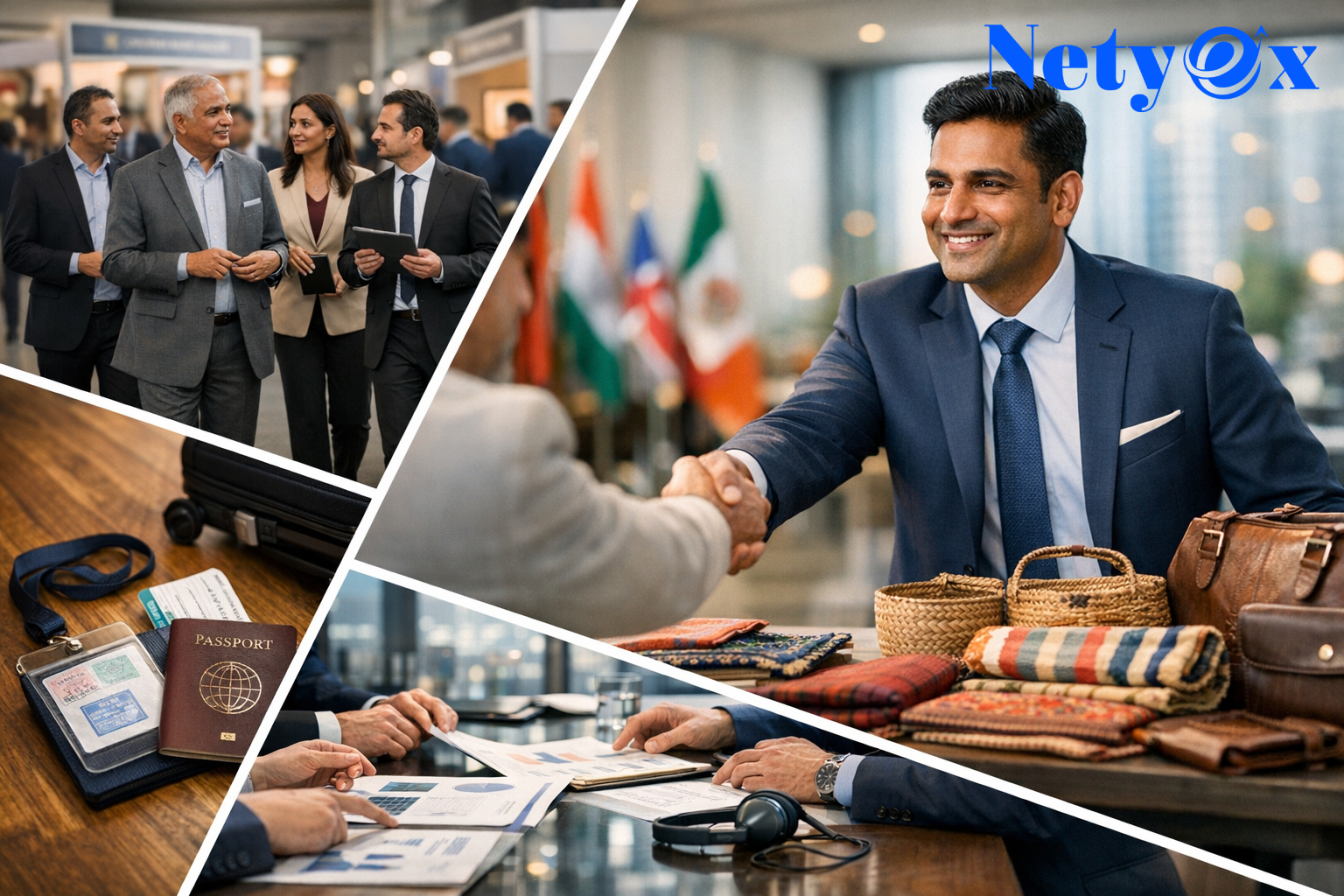
What Are Government-Supported Trade Missions?
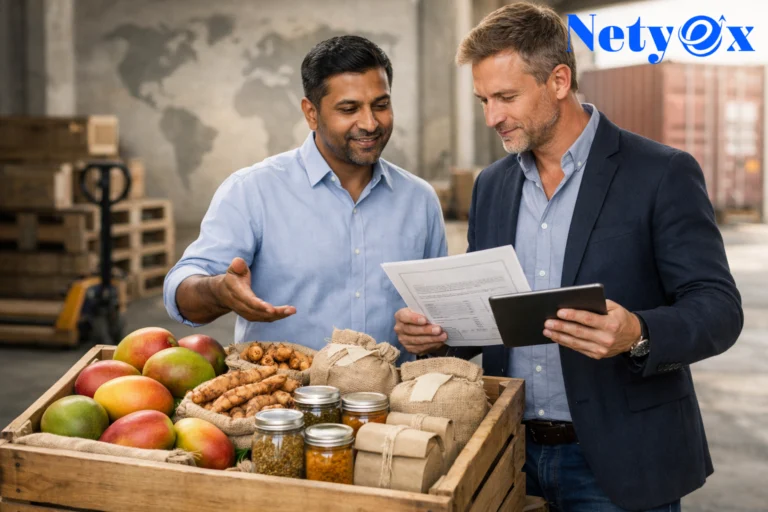
Government-supported trade missions are officially organized business delegations that travel to targeted foreign markets.
They typically include:
- Pre-arranged business-to-business (B2B) meetings
- Market briefings and industry insights
- Networking sessions
- Meetings with local trade bodies
- Embassy or consulate support
These missions are usually coordinated by export promotion councils, trade ministries, or national industry associations.
Their goal is simple: help domestic exporters enter and succeed in international markets.
Why Government Support Makes a Difference
When exporters participate in trade missions backed by government institutions, they gain credibility and visibility.
Foreign buyers often perceive government-backed businesses as:
- Reliable
- Verified
- Professionally screened
- Compliant with national standards
Official endorsement reduces uncertainty for international partners.
Trust opens doors faster.
1. Access to Pre-Qualified Buyers
One of the most valuable aspects of the Role of Government-Supported Trade Missions for Exporters is access to carefully selected buyers.
Government agencies often:
- Screen potential buyers
- Match exporters with relevant partners
- Arrange structured meetings
This targeted matchmaking increases the probability of meaningful discussions.
Quality meetings save time and resources.
2. Enhanced Credibility in Foreign Markets
International buyers may hesitate to engage with unknown suppliers.
Government association signals legitimacy.
When exporters participate under official national delegations, buyers feel reassured about:
- Product authenticity
- Business reliability
- Long-term commitment
Credibility strengthens negotiation power.
3. Reduced Market Entry Risks
Entering a new market involves risks such as:
- Regulatory confusion
- Cultural misunderstandings
- Payment uncertainties
- Market demand misjudgment
Trade missions often provide:
- Market research briefings
- Legal guidance
- Cultural orientation
- Embassy support
Structured guidance reduces costly mistakes.
Preparation reduces uncertainty.
4. Cost-Sharing and Financial Support
Participating in international expansion can be expensive.
Government-supported missions may offer:
- Subsidized travel
- Reduced participation fees
- Financial grants
- Shared marketing materials
Cost-sharing makes international expansion accessible, especially for smaller exporters.
Lower costs encourage broader participation.
5. Direct Engagement with Policy Makers
Trade missions often include meetings with:
- Local trade authorities
- Industry regulators
- Government officials
These interactions help exporters understand:
- Import regulations
- Certification requirements
- Tax structures
- Compliance standards
Clear information ensures smoother market entry.
6. Networking with Industry Leaders
Trade missions provide exclusive networking opportunities with:
- Large distributors
- Retail chains
- Industry associations
- Business chambers
These high-level connections may be difficult to access independently.
Structured introductions create stronger impressions.
7. Market Intelligence and Local Insights
Government agencies usually conduct extensive research before organizing missions.
Participants receive:
- Market trend reports
- Consumer behavior insights
- Competitive analysis
- Sector-specific data
Reliable data improves strategic decision-making.
Knowledge empowers exporters.
8. Strengthening Bilateral Trade Relations
Trade missions contribute to long-term trade relationships between countries.
When governments actively promote exporters:
- Bilateral cooperation increases
- Trade agreements strengthen
- Tariff negotiations improve
Exporters benefit from improved diplomatic relationships.
National support enhances global positioning.
9. Boosting Brand Visibility Internationally
Being part of a national trade delegation increases exposure.
Exporters gain:
- Media attention
- Industry recognition
- Promotional coverage
- Collective branding under national pavilions
Collective representation amplifies individual company visibility.
Shared platforms increase reach.
10. Accelerated Deal Negotiations
Government-backed meetings often bring serious buyers.
Structured schedules reduce casual inquiries and increase focused discussions.
With pre-arranged appointments:
- Negotiations progress faster
- Follow-up becomes easier
- Decision-making improves
Efficient meetings improve conversion rates.
11. Support for Small and Medium Enterprises
SMEs often lack international networks.
Government trade missions level the playing field by:
- Providing visibility
- Offering professional guidance
- Facilitating structured introductions
This support empowers smaller exporters to compete globally.
Inclusivity strengthens national exports.
12. Learning from Fellow Exporters
Trade missions involve multiple companies from similar sectors.
Participants can:
- Share experiences
- Discuss challenges
- Exchange best practices
- Build domestic partnerships
Peer learning enhances collective growth.
Collaboration strengthens competitiveness.
13. Improving Negotiation Confidence
Participating under official delegations boosts exporter confidence.
Knowing that:
- Embassy staff are available
- Government officials are involved
- Structured support exists
reduces hesitation and improves negotiation confidence.
Confidence improves performance.
14. Long-Term Relationship Building
Trade missions are not one-time events.
They often lay the foundation for:
- Repeat visits
- Ongoing partnerships
- Long-term contracts
- Cross-border collaborations
Structured beginnings lead to sustainable relationships.
Consistency builds global trust.
15. Encouraging Export Readiness and Professional Standards
Participation often requires meeting eligibility criteria such as:
- Compliance with regulations
- Financial stability
- Quality certifications
These requirements encourage exporters to improve internal standards.
Professional development strengthens export capability.
Challenges Exporters Should Consider
While benefits are strong, exporters should also prepare for:
- Competitive selection processes
- Intensive schedules
- Cultural differences
- High expectations
Success depends on preparation, product readiness, and follow-up discipline.
Opportunity favors preparation.
How Exporters Can Maximize the Benefits of Trade Missions
To leverage the Role of Government-Supported Trade Missions for Exporters effectively:
Before the Mission:
- Study target market data
- Prepare customized marketing materials
- Set clear objectives
- Train staff on product knowledge
During the Mission:
- Engage actively in meetings
- Take detailed notes
- Ask strategic questions
After the Mission:
- Follow up promptly
- Send personalized proposals
- Maintain ongoing communication
Execution determines outcomes.
Impact on National Export Growth
Government-supported trade missions do more than help individual companies.
They:
- Promote national industries
- Strengthen country branding
- Increase foreign exchange earnings
- Enhance international competitiveness
Collective export growth supports broader economic development.
FAQs About Role of Government-Supported Trade Missions for Exporters
1. Are government-supported trade missions only for large companies?
No. Many missions specifically support SMEs to promote inclusive export growth.
2. Do trade missions guarantee sales?
They do not guarantee deals, but they significantly increase exposure and opportunity.
3. How are buyers selected for meetings?
Government agencies often screen and match buyers based on industry relevance and business needs.
4. Are participation costs high?
Costs vary, but many missions provide subsidies or shared expenses to reduce financial burden.
5. How long do trade missions usually last?
They typically last a few days to one week, depending on the target market.
6. Is follow-up important after the mission?
Yes. Timely and professional follow-up is essential to convert meetings into contracts.
Conclusion
Understanding the Role of Government-Supported Trade Missions for Exporters reveals how structured international engagement can accelerate global expansion.
These missions provide credibility, access, guidance, and cost support — all essential elements for export success. They reduce risk, increase visibility, and open doors to high-level decision-makers.
For exporters seeking strategic and sustainable growth, government-supported trade missions are not just optional opportunities — they are powerful catalysts for international success.
Preparation, participation, and proactive follow-up turn these missions into long-term business growth engines.