

Introduction: Understanding Price vs. Quality in Indian Rug Sourcing
When it comes to global rug sourcing, India stands out as one of the most respected manufacturing hubs. Buyers across the world rely on Indian suppliers for hand-knotted rugs, hand-tufted carpets, and flat-weave textiles. However, one challenge consistently arises in the procurement process: Price vs. Quality: Navigating Indian Rug Sourcing effectively.
Many importers, interior designers, and retail brands struggle to balance affordability with craftsmanship. Choosing the lowest price can sometimes result in compromised durability, inconsistent designs, or unreliable production timelines. On the other hand, prioritizing only premium quality can inflate costs and reduce profit margins.
Understanding how price and quality interact in the Indian rug industry is essential for making informed decisions. Factors such as raw materials, weaving techniques, labor skills, finishing processes, and supplier transparency all influence the final cost of a rug.
This guide explores the key elements that determine rug pricing in India and provides practical strategies for buyers to ensure they receive both value and quality. By learning how to assess materials, craftsmanship, and supplier credibility, businesses can navigate sourcing with confidence and build long-term partnerships with reliable manufacturers.
The Global Reputation of Indian Rug Manufacturing
India has earned a strong reputation in the international rug market due to its long history of textile craftsmanship. Many weaving traditions date back hundreds of years and continue to influence modern production techniques.
Several factors contribute to India’s prominence in the rug industry:
- Skilled artisans with generations of experience
- Diverse weaving techniques
- Competitive production costs
- Access to high-quality natural fibers
- Flexible manufacturing capabilities
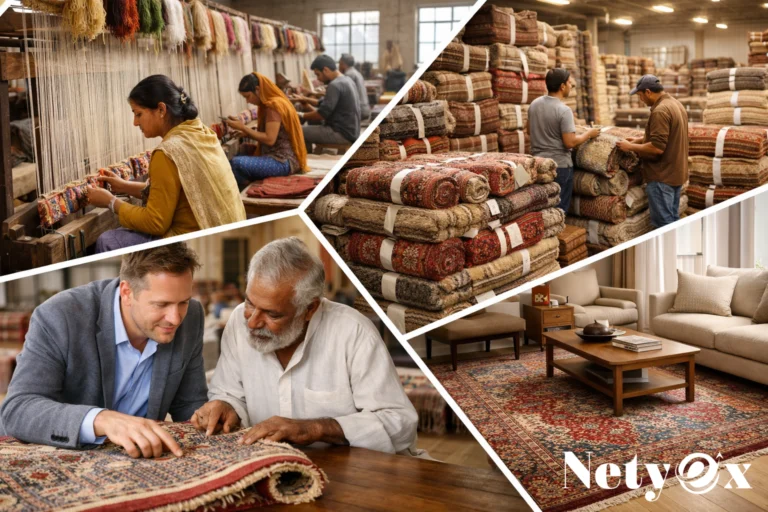
Indian rug clusters such as Bhadohi, Jaipur, Panipat, and Mirzapur are well known for producing handmade rugs that combine traditional artistry with contemporary design trends.
However, because the industry includes both large export houses and small artisan workshops, prices can vary widely. This variation is exactly why buyers must carefully evaluate price vs. quality when navigating Indian rug sourcing.
Key Factors That Influence Rug Pricing in India
Understanding what determines the price of a rug is the first step toward making smart sourcing decisions.
1. Raw Materials
The type of fiber used significantly affects both cost and quality.
Common rug materials include:
- Wool
- Cotton
- Silk
- Jute
- Viscose
- Synthetic fibers
Natural fibers like wool and silk tend to be more expensive but offer greater durability and aesthetic appeal.
For example:
| Material | Cost Level | Durability | Appearance |
|---|---|---|---|
| Wool | Medium | High | Rich texture |
| Silk | High | Medium | Luxurious shine |
| Cotton | Low | Medium | Lightweight |
| Jute | Low | Medium | Natural look |
| Viscose | Medium | Low | Silk-like sheen |
Choosing the right material depends on the product category, target market, and intended usage.
2. Weaving Techniques
The weaving technique greatly impacts production time and cost.
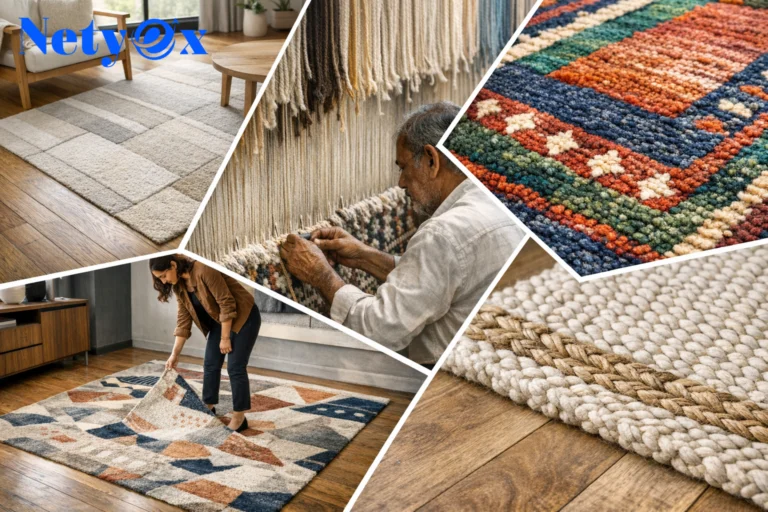
Common rug construction methods include:
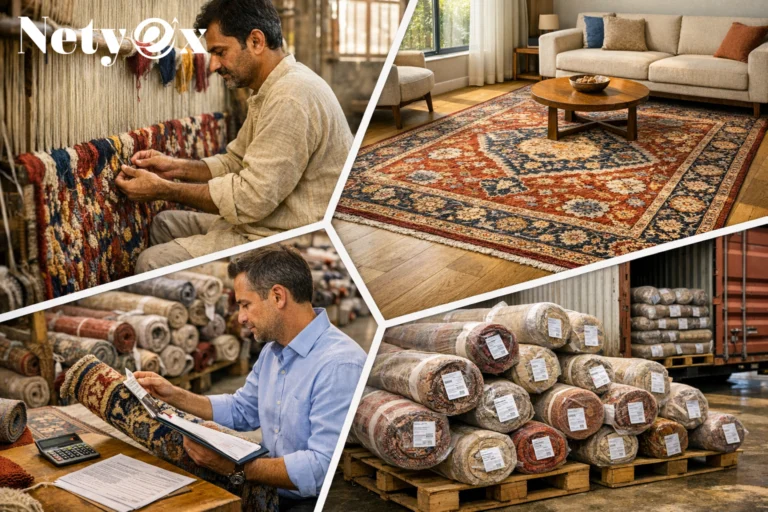
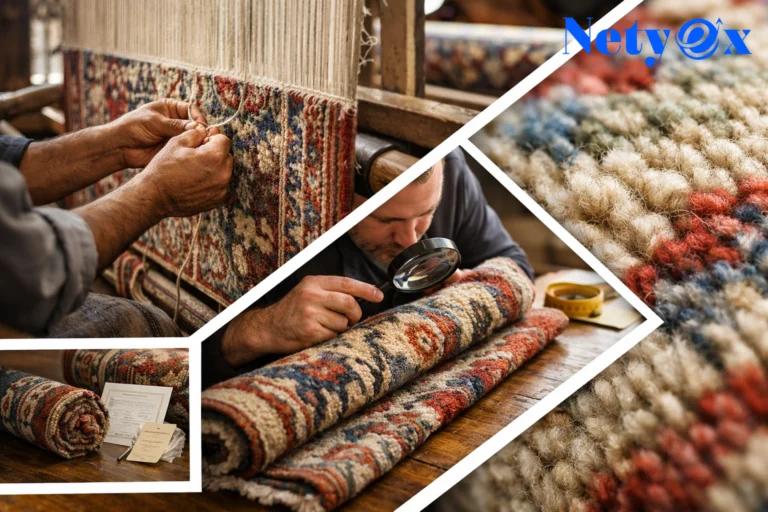
- Hand-knotted rugs – Most labor intensive and highest quality
- Hand-tufted rugs – Faster production with moderate quality
- Flat-weave rugs – Lightweight and affordable
- Machine-made rugs – Lowest cost but less artisanal value
Hand-knotted rugs can take months to complete, which explains their premium pricing.
3. Knot Density and Craftsmanship
In handmade rugs, knot density directly influences quality.
Higher knot density means:
- More detailed designs
- Better durability
- Higher production cost
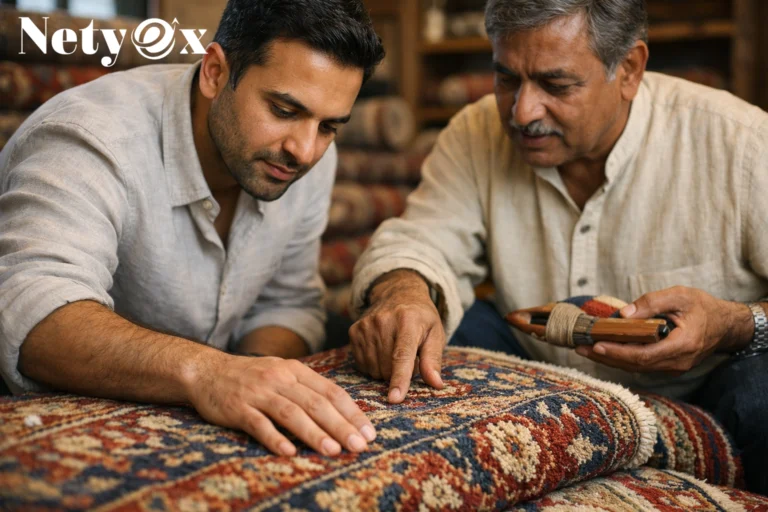
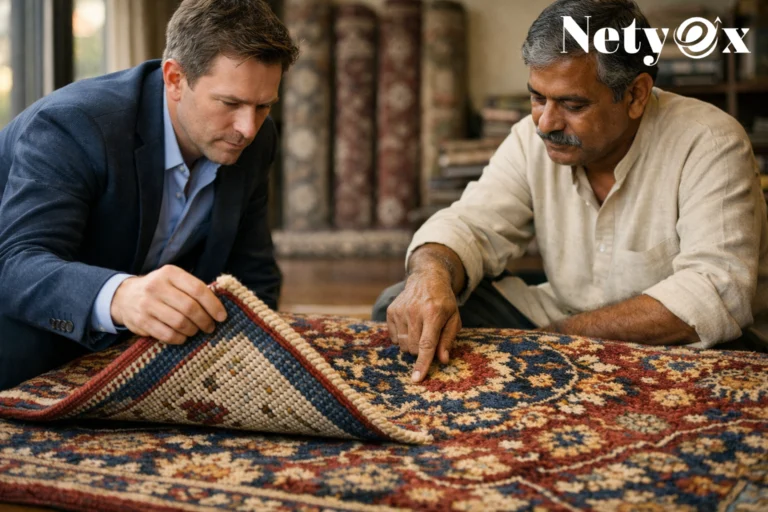
For buyers, evaluating craftsmanship is essential when comparing supplier quotations.
4. Dyeing and Finishing Processes
Natural dyes and advanced finishing techniques add both beauty and cost to rugs.
Finishing processes may include:
- Washing and polishing
- Hand carving
- Distressing
- Latex backing
- Edge binding
These steps enhance the rug’s appearance and longevity but also increase production expenses.
Understanding the True Meaning of “Quality” in Rugs
Quality in rugs extends far beyond appearance. A rug that looks beautiful in a showroom might not perform well over time.
Key quality indicators include:
Fiber Strength
High-quality fibers resist wear, shedding, and fading.
Weaving Consistency
Even weaving ensures durability and maintains the rug’s shape.
Color Fastness
Quality dyes prevent color bleeding or fading over time.
Finishing Precision
Clean edges, consistent pile height, and proper backing reflect skilled craftsmanship.
When buyers focus only on price, these aspects may be overlooked.
Common Mistakes Buyers Make When Sourcing Rugs from India
Many new importers encounter problems due to limited understanding of the sourcing process.
Here are some frequent mistakes:
Choosing the Lowest Quote
The cheapest supplier may cut corners on materials or labor standards.
Ignoring Production Samples
Bulk orders without approved samples can result in mismatched colors or textures.
Lack of Quality Inspection
Without inspection, defects may go unnoticed until products reach the destination market.
Unclear Specifications
Vague product specifications often lead to inconsistent results.
To avoid these issues, buyers should approach sourcing with a strategic mindset.
Strategies for Balancing Price and Quality
Finding the right balance between cost and craftsmanship requires a structured sourcing approach.
1. Define Product Specifications Clearly
Provide detailed information including:
- Fiber composition
- Size and dimensions
- Knot density
- Design references
- Finishing requirements
Clear specifications help suppliers quote accurately.
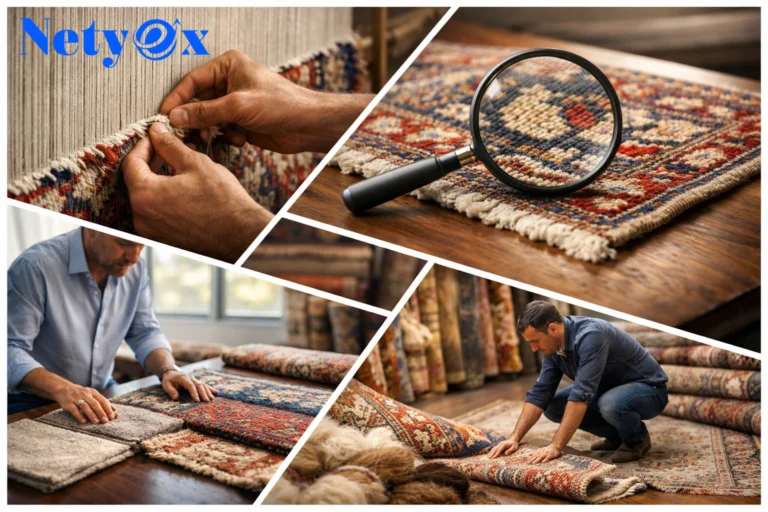
2. Request Multiple Samples
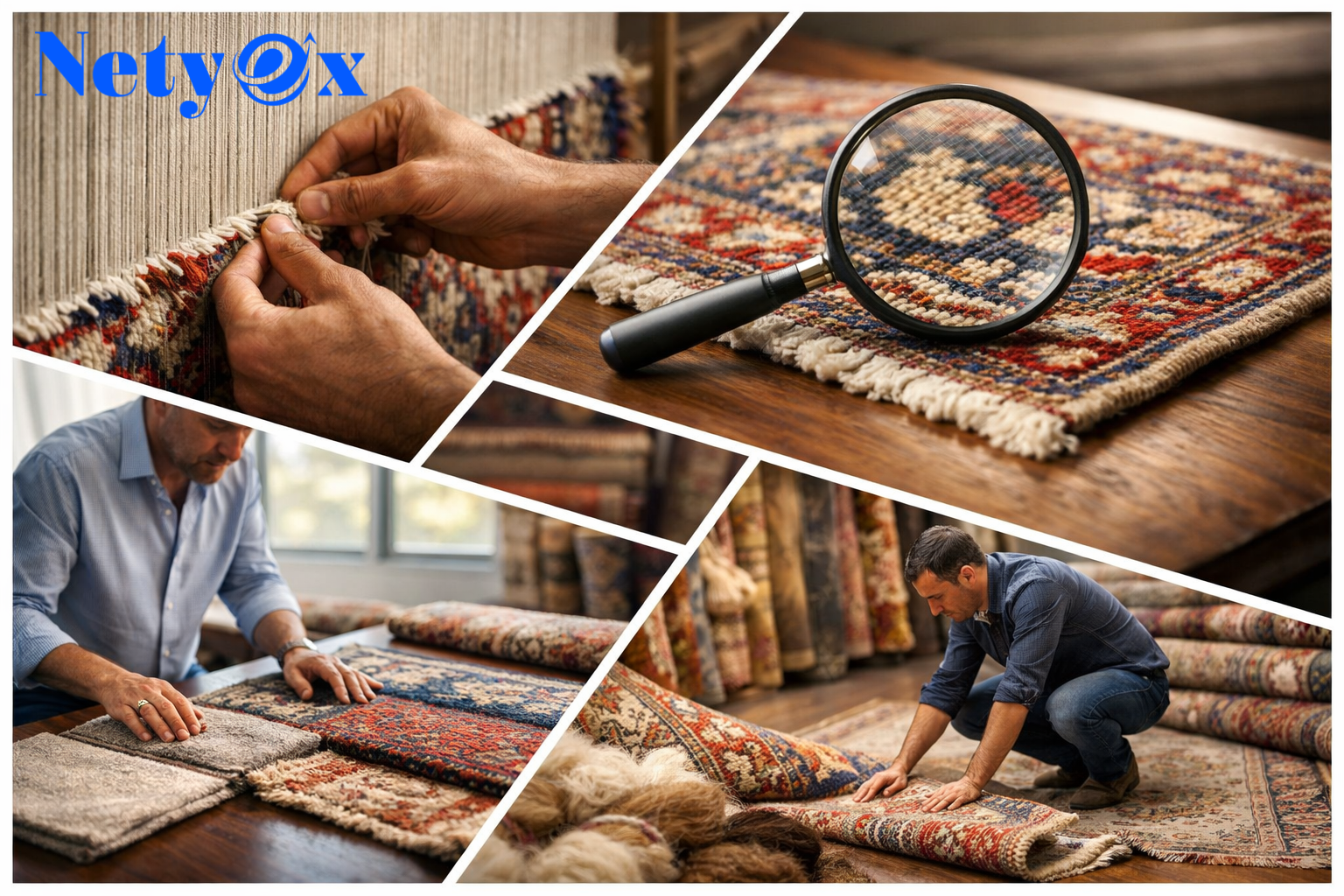
Samples allow buyers to evaluate:
- Texture
- Color accuracy
- Weight
- Overall craftsmanship
Comparing samples from different suppliers reveals significant quality differences.
3. Build Long-Term Supplier Relationships
Working with the same manufacturer over time often results in:
- Better pricing
- Improved consistency
- Higher reliability
Strong partnerships also encourage suppliers to prioritize your orders.
4. Conduct Quality Inspections
Professional inspections ensure products meet expectations before shipment.
Typical inspection stages include:
- Raw material inspection
- In-line production checks
- Final pre-shipment inspection
This step significantly reduces risks.
5. Understand Production Lead Times
Rugs are labor-intensive products. Unrealistic deadlines can pressure suppliers to rush production and compromise quality.
Planning adequate timelines helps maintain craftsmanship standards.
The Role of Ethical and Sustainable Production
Sustainability has become increasingly important in the global rug market.
Many buyers now evaluate suppliers based on ethical standards such as:
- Fair wages for artisans
- Safe working conditions
- Environmentally responsible dyeing processes
- Use of sustainable materials
Although ethical production may slightly increase costs, it enhances brand reputation and long-term value.
How Technology is Improving Rug Sourcing
Modern technology is transforming how buyers interact with Indian rug manufacturers.
Some key advancements include:
- Digital design simulations
- Virtual sampling
- Online production tracking
- Supply chain transparency tools
These innovations help buyers evaluate quality before committing to large orders.
Negotiation Tips for Rug Buyers
Price negotiation is common in the rug sourcing industry, but it should be handled strategically.
Effective negotiation strategies include:
- Ordering larger volumes
- Combining multiple product styles
- Offering long-term contracts
- Reducing design complexity
Negotiation should focus on mutual benefit rather than simply pushing prices down.
Quality Assurance Checklist for Buyers
Before placing a bulk order, buyers should confirm the following:
| Quality Factor | What to Check |
|---|---|
| Materials | Fiber authenticity |
| Construction | Knot density and weave |
| Color | Dye consistency |
| Edges | Proper binding |
| Backing | Strong foundation |
| Size | Accurate measurements |
A structured checklist helps maintain consistent standards.
FAQs About Price vs. Quality: Navigating Indian Rug Sourcing
1. Why are handmade Indian rugs more expensive?
Handmade rugs require extensive labor and craftsmanship. Artisans tie thousands of knots by hand, which increases production time and cost.
2. How can buyers verify rug quality before bulk orders?
Requesting samples, conducting factory visits, and arranging third-party inspections are effective ways to verify quality.
3. Are cheaper rugs always lower quality?
Not necessarily. Lower prices can result from efficient production methods or simpler designs. However, extremely low prices often indicate compromised materials or craftsmanship.
4. What materials offer the best balance between price and durability?
Wool rugs generally provide an excellent balance between cost, durability, and comfort.
5. How long does it take to produce handmade rugs?
Production timelines vary depending on complexity, but hand-knotted rugs can take several weeks to several months.
6. Why do rug prices vary so much between suppliers?
Differences in labor skills, material quality, weaving techniques, and finishing processes all contribute to price variations.
Conclusion: Making Smarter Sourcing Decisions
Balancing Price vs. Quality: Navigating Indian Rug Sourcing requires a clear understanding of both production factors and supplier relationships. While competitive pricing is important for maintaining profitability, sacrificing quality can lead to dissatisfied customers and damaged brand reputation.
Successful buyers take a comprehensive approach. They evaluate materials, craftsmanship, ethical production practices, and supplier reliability before making purchasing decisions. By requesting samples, conducting inspections, and building strong partnerships with trusted manufacturers, businesses can secure high-quality rugs at fair prices.
Ultimately, smart sourcing is about value rather than simply choosing the cheapest option. When buyers prioritize both craftsmanship and cost efficiency, they unlock the true potential of India’s rich rug-making heritage while delivering exceptional products to their markets.