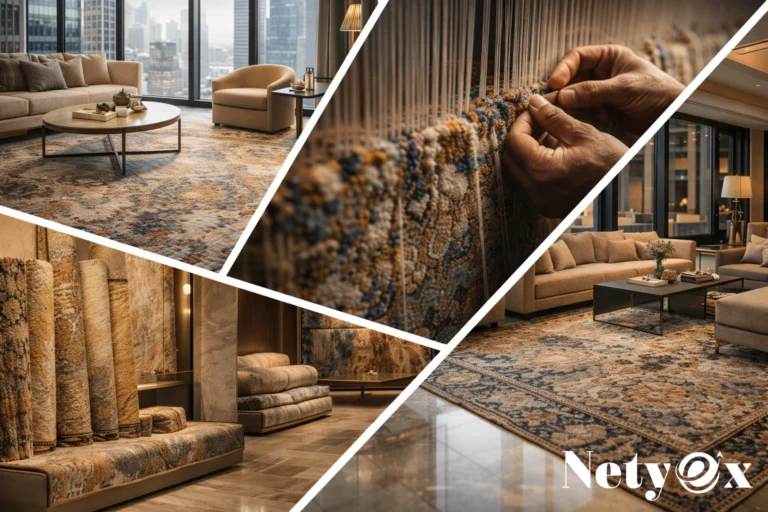


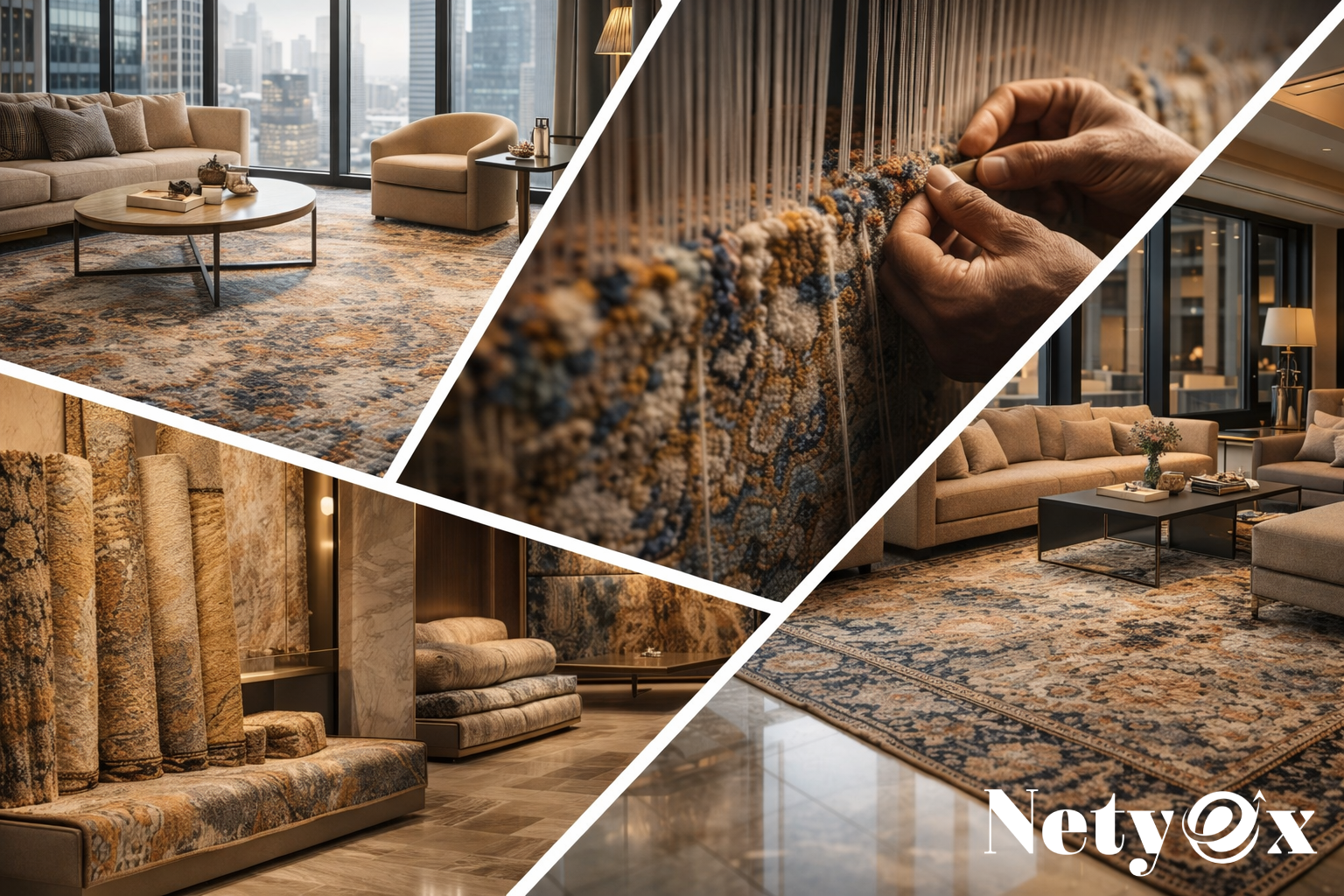
Introduction to India’s Rug & Carpet Heritage
India has long been celebrated for its rich tradition of hand-knotted rugs and carpets. From royal Mughal courts to European palaces, Indian carpets have symbolized luxury, craftsmanship, and timeless beauty. Today, as global consumers increasingly seek authenticity and heritage, India stands at a strategic advantage.
The conversation around Opportunities for Indian Rugs & Carpets in Global Luxury is more relevant than ever. With rising global wealth, growing demand for bespoke interior design, and a shift toward sustainable products, Indian rugs are positioned to become a dominant force in the premium décor segment.
India is one of the largest exporters of handmade carpets in the world. Regions like Bhadohi, Mirzapur, Jaipur, and Kashmir have built generations of skilled artisans who continue to create masterpieces using age-old techniques. These handcrafted pieces are no longer just floor coverings—they are art investments.
Global Luxury Market Overview
The global luxury home décor market has experienced significant growth over the past decade. Luxury consumers now prioritize:
- Craftsmanship
- Sustainability
- Customization
- Heritage value
- Limited-edition designs
The luxury rug market alone represents billions of dollars annually, driven by demand from luxury hotels, villas, interior designers, and high-net-worth individuals.
Emerging markets in Asia and the Middle East are expanding rapidly, while traditional markets such as the United States and Europe remain strong buyers of handmade carpets.
Why Indian Rugs Stand Out in the Luxury Segment
Heritage Craftsmanship & Skilled Artisans
Indian artisans use techniques passed down for centuries:
- Hand-knotting (Persian knot & Turkish knot)
- Hand-tufting
- Flat weaving (Dhurries)
- Chain stitching
Some premium rugs can take months—even a year—to complete. Knot density, pattern precision, and detailing create unmatched quality that machine-made rugs simply cannot replicate.
Luxury buyers value this human touch. Each rug tells a story of tradition, patience, and expertise.
Premium Materials & Sustainable Fibers
Indian luxury carpets often use:
- New Zealand wool
- Pure silk
- Bamboo silk
- Organic cotton foundations
- Natural vegetable dyes
The shift toward eco-conscious luxury has strengthened India’s competitive advantage. Sustainable sourcing and biodegradable materials align perfectly with global premium buyer expectations.
Key International Markets Driving Demand
India’s rug exports are largely concentrated in:
- United States
- Germany
- United Kingdom
- United Arab Emirates
- Australia
Growth in Luxury Interior Design
Luxury interior designers seek distinctive, handcrafted rugs to elevate high-end spaces such as:
- Five-star hotels
- Boutique resorts
- Presidential suites
- Luxury apartments
- Private estates
Interior designers increasingly commission custom Indian rugs tailored to room dimensions and color palettes.
Demand from High-Net-Worth Individuals
Wealth growth worldwide has created a new class of ultra-high-net-worth buyers who demand exclusivity. Handmade Indian carpets, especially limited-edition collections, satisfy this desire for uniqueness.
Emerging Design Trends in Global Luxury Rugs
Luxury design trends are evolving quickly. Indian manufacturers who adapt to these trends can unlock massive growth potential.
Popular styles include:
- Neutral minimalist rugs
- Abstract art-inspired patterns
- Vintage revival designs
- Monochrome luxury aesthetics
- Cultural fusion patterns blending East and West
Modern buyers want rugs that serve as statement pieces rather than background décor.
Sustainability as a Luxury Differentiator
Sustainability is no longer optional—it is essential.
Luxury buyers now demand:
- Ethical labor practices
- Fair wages for artisans
- Sustainable raw materials
- Low carbon footprint production
India’s handmade carpet industry is inherently sustainable due to minimal machine usage and traditional dyeing processes.
Artisan-based production also supports rural employment, which adds emotional and ethical value to each purchase.
Customization & Bespoke Opportunities
Customization represents one of the biggest Opportunities for Indian Rugs & Carpets in Global Luxury.
Luxury clients increasingly request:
- Specific dimensions
- Personalized motifs
- Family crests or logos
- Unique color palettes
- Designer collaborations
Private-label manufacturing for global luxury brands is also growing rapidly. Indian exporters can partner with international design houses to produce exclusive collections.
Digital Transformation & E-Commerce Expansion
Luxury buying has moved online.
High-end consumers now explore:
- Virtual showrooms
- 3D room visualizers
- Custom rug simulators
- Augmented reality placement tools
Indian exporters who invest in digital catalogs and immersive online experiences can reach global buyers directly, reducing dependence on intermediaries.
Digital storytelling about artisans and production processes also enhances brand authenticity.
Branding & Storytelling for Premium Positioning
Luxury markets value stories.
Indian rug brands must emphasize:
- Artisan heritage
- Geographic origin
- Cultural significance
- Limited production numbers
Strong branding transforms a carpet from a commodity into a collectible piece.
Premium packaging, certification of authenticity, and detailed craftsmanship descriptions significantly boost perceived value.
Government Support & Export Promotion
India’s carpet industry benefits from:
- Export promotion councils
- Trade fairs and exhibitions
- Skill development initiatives
- Infrastructure support
Participation in global trade exhibitions enables Indian exporters to connect directly with luxury retailers and designers.
Challenges in Scaling Luxury Exports
Despite vast opportunities, challenges remain:
- Price competition from machine-made rugs
- Rising raw material costs
- Compliance with international standards
- Logistics and shipping delays
Luxury buyers expect consistency and flawless quality. Even minor defects can damage brand reputation.
Maintaining strict quality control is critical.
Strategic Recommendations for Indian Exporters
To capture premium market share, exporters should:
- Invest in contemporary design research
- Focus on small-batch luxury production
- Develop strong brand identity
- Adopt sustainable certifications
- Enhance digital presence
- Collaborate with global designers
Innovation combined with tradition creates powerful differentiation.
Investment & Manufacturing Upgradation
Although handmade production remains central, technology can enhance efficiency in:
- Design software
- Color simulation
- Inventory management
- Quality inspection
Balanced integration of tradition and modern systems ensures scalability without compromising authenticity.
The Future Outlook for Luxury Indian Carpets
The future looks promising. Global luxury consumption continues to expand, especially in emerging economies.
Key drivers include:
- Growth in luxury real estate
- Expansion of boutique hospitality
- Rise in personalized interior design
- Greater appreciation for handcrafted goods
Over the next decade, Opportunities for Indian Rugs & Carpets in Global Luxury are expected to multiply as sustainability and craftsmanship dominate consumer priorities.
India’s strong artisan base, heritage appeal, and competitive manufacturing ecosystem provide a solid foundation for long-term growth.
Frequently Asked Questions (FAQs)
1. Why are Indian rugs popular in the luxury market?
Indian rugs are valued for their handcrafted quality, intricate designs, and use of premium natural materials.
2. Which countries import the most Indian luxury carpets?
The United States, Germany, United Kingdom, UAE, and Australia are major importers.
3. What makes handmade rugs more valuable than machine-made rugs?
Handmade rugs require months of skilled labor, offer unique detailing, and have higher durability and artistic value.
4. Are Indian rugs sustainable?
Yes, many Indian rugs use natural fibers and dyes, making them environmentally friendly and biodegradable.
5. How can exporters increase luxury market share?
By focusing on branding, customization, sustainable practices, and digital marketing strategies.
6. Is customization important in the luxury rug segment?
Absolutely. Bespoke designs significantly increase perceived value and attract high-end buyers.
7. What is the long-term outlook for Indian luxury carpets?
The outlook remains strong due to rising global wealth, sustainability trends, and appreciation for craftsmanship.
Conclusion
The global luxury market is evolving—and Indian carpet manufacturers are uniquely positioned to lead. With centuries-old craftsmanship, access to premium materials, and a growing focus on sustainability, India holds a strategic advantage.
To fully capitalize on these trends, exporters must embrace branding, digital transformation, and innovation while preserving traditional artistry.
If leveraged wisely, the future of Indian rugs in the luxury segment is not just promising—it is transformative.