

Understanding the Middle East Market Landscape
The Middle East, particularly countries like the UAE, Saudi Arabia, Qatar, Kuwait, and Oman, is known for its strong retail sector and appetite for premium décor and artisanal goods.
Economic Growth and Purchasing Power
Many Middle Eastern economies benefit from oil wealth and diversified investment portfolios. This translates into:
- High consumer spending
- Growing luxury retail sectors
- Strong demand for imported premium goods
- Expansion of hospitality and real estate industries
These factors create substantial Opportunities for Indian Handicrafts in the Middle East.
Cultural Appreciation for Craftsmanship
The region values traditional art forms, intricate designs, and luxury aesthetics. Indian handicrafts—renowned for detail, heritage, and authenticity—align beautifully with Middle Eastern tastes.
Why Indian Handicrafts Appeal to Middle Eastern Consumers
Indian handicrafts hold a special charm that resonates deeply in Gulf markets.
Rich Heritage and Authenticity
Indian crafts are rooted in centuries-old traditions. Whether it’s handwoven carpets, brassware, marble inlay work, or embroidery, each product tells a story.
Consumers in the Middle East appreciate:
- Authentic handmade goods
- Unique designs
- Heritage-rich items
- Premium materials
Luxury Interior and Hospitality Demand
The Middle East boasts some of the world’s most luxurious hotels and residences. These establishments frequently source:
- Handcrafted furniture
- Decorative lighting
- Intricate rugs and carpets
- Wall art and metal décor
Indian exporters can capitalize on this thriving demand.
High-Demand Indian Handicraft Categories
Let’s explore product categories that show strong potential.
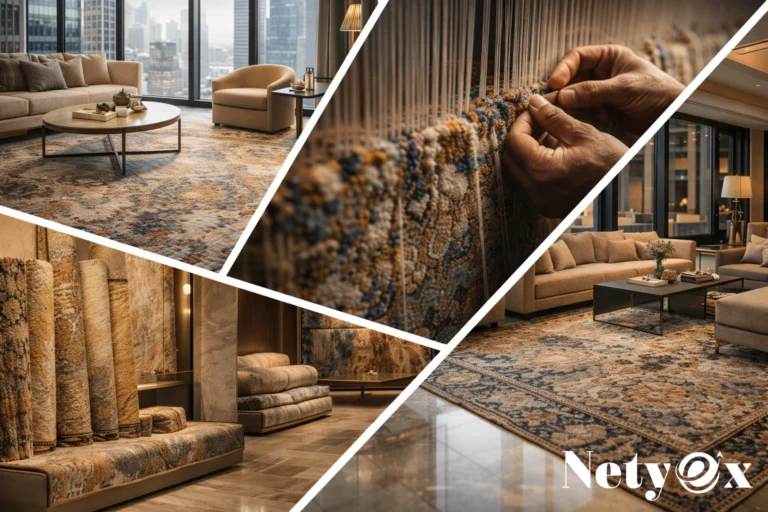
1. Handwoven Carpets and Rugs
Indian carpets are globally recognized for craftsmanship and intricate patterns. Gulf countries favor:
- Persian-inspired designs
- Silk and wool blends
- Customized large-format carpets
2. Wooden Furniture and Carvings
Solid wood handcrafted furniture with detailed carvings aligns perfectly with luxury interiors in Dubai and Riyadh.
Popular items include:
- Jali panels
- Console tables
- Decorative screens
- Statement chairs
3. Metalware and Brass Décor
Middle Eastern homes often feature ornate metal décor. Indian brass lamps, trays, lanterns, and sculptures are in high demand.
4. Textiles and Embroidery
Hand-embroidered cushion covers, bedspreads, and tapestries complement Arabic interior aesthetics.
5. Marble and Stone Artifacts
India’s marble craftsmanship is world-renowned. Luxury villas and hotels prefer:
- Marble inlay tabletops
- Decorative sculptures
- Stone planters
Role of Trade Agreements and Bilateral Relations
India shares strong trade ties with Gulf Cooperation Council (GCC) nations. Favorable diplomatic relations enhance export opportunities.
Growing Export Figures
Indian handicraft exports to the Middle East have steadily increased due to:
- Lower shipping times
- Strong Indian diaspora presence
- Increasing demand for premium décor
Ease of Logistics
Geographical proximity reduces:
- Freight costs
- Transit time
- Supply chain complexity
This improves competitiveness.
Impact of Real Estate and Hospitality Expansion
One major driver of Opportunities for Indian Handicrafts in the Middle East is the booming real estate and hospitality sectors.
Mega Construction Projects
The Middle East continues to invest heavily in:
- Luxury hotels
- Shopping malls
- Villas
- Commercial properties
Each new development needs interior décor—creating bulk demand for handcrafted items.
Event-Driven Growth
International expos, sports tournaments, and tourism campaigns increase demand for premium decorative products.
E-Commerce and Digital Marketplaces
Online retail in the Middle East is expanding rapidly.
Rise of Online Luxury Shopping
Consumers now purchase:
- Handcrafted home décor
- Artisan gifts
- Customized furniture
through online platforms.
Direct-to-Consumer Export Models
Indian brands can leverage:
- Dropshipping partnerships
- Online marketplaces
- Social media marketing
This reduces dependency on traditional importers.
Customization and Premium Positioning
Middle Eastern buyers prefer exclusivity.
Bespoke Product Demand
Hotels and wealthy homeowners often request:
- Customized sizes
- Specific color palettes
- Unique design patterns
Indian artisans are highly capable of delivering tailored craftsmanship.
Premium Pricing Advantage
Unlike price-sensitive markets, Gulf buyers are willing to pay more for quality and exclusivity.
Influence of Indian Diaspora
The large Indian population in the Middle East plays a crucial role.
Cultural Connection
Indian residents often purchase traditional décor to maintain cultural ties.
Business Networks
Indian entrepreneurs in Gulf countries can act as:
- Import partners
- Distributors
- Retail collaborators
This creates smoother entry pathways.
Government Support and Export Incentives
The Indian government promotes handicraft exports through:
- Export promotion councils
- Trade fairs
- Subsidized shipping
- Market development assistance
These initiatives reduce entry barriers for new exporters targeting the Middle East.
Challenges to Address
While the market is promising, exporters must navigate certain challenges.
Quality Compliance Standards
Middle Eastern markets demand:
- Premium finishing
- Consistent quality
- Proper packaging
- Timely delivery
Competition from Other Countries
Countries like Turkey, Morocco, and China also supply decorative goods.
Indian exporters must focus on:
- Authenticity
- Superior craftsmanship
- Brand storytelling
Strategic Market Entry Tips
To maximize Opportunities for Indian Handicrafts in the Middle East, businesses should:
- Conduct thorough market research.
- Attend regional trade exhibitions.
- Partner with local distributors.
- Develop strong branding.
- Offer customization options.
- Ensure competitive logistics planning.
Pricing and Profit Margins
Due to premium positioning, profit margins in Middle Eastern markets can be higher compared to domestic sales.
Key pricing factors include:
- Product uniqueness
- Material quality
- Customization level
- Shipping and duties
Sustainability Trends in the Middle East
Sustainable and eco-friendly products are gaining popularity.
Consumers increasingly prefer:
- Recycled materials
- Natural dyes
- Ethical sourcing
- Fair-trade products
Indian handicrafts naturally align with sustainability values.
Future Outlook for Indian Handicrafts in the Middle East
The future looks highly promising. Growth drivers include:
- Urbanization
- Luxury lifestyle trends
- Cultural appreciation for handmade goods
- Expanding tourism sector
With proper strategy, the Middle East can become one of the most profitable export regions for Indian handicraft businesses.
FAQs: Opportunities for Indian Handicrafts in the Middle East
1. Why is the Middle East a strong market for Indian handicrafts?
The region has high purchasing power, luxury demand, and appreciation for craftsmanship.
2. Which Middle Eastern countries import the most handicrafts?
UAE, Saudi Arabia, Qatar, and Kuwait are major importers.
3. What handicraft categories perform best?
Carpets, wooden furniture, metalware, marble décor, and textiles are highly popular.
4. Is customization important in Gulf markets?
Yes, bespoke and luxury-focused designs significantly increase demand.
5. Are profit margins higher in the Middle East?
Generally, yes. Buyers are willing to pay premium prices for quality and exclusivity.
6. What are the main challenges exporters face?
Quality compliance, competition, and strong branding requirements.
Conclusion
The Opportunities for Indian Handicrafts in the Middle East are vast, dynamic, and increasingly profitable. With rising luxury consumption, expanding hospitality infrastructure, and deep cultural appreciation for handcrafted goods, the region presents a golden opportunity for Indian artisans and exporters.
However, success requires strategic planning, quality assurance, customization capability, and strong branding. Businesses that focus on authenticity, premium positioning, and market-specific adaptation will thrive.
By combining India’s rich craftsmanship heritage with the Middle East’s luxury-driven demand, exporters can unlock sustainable and long-term growth.