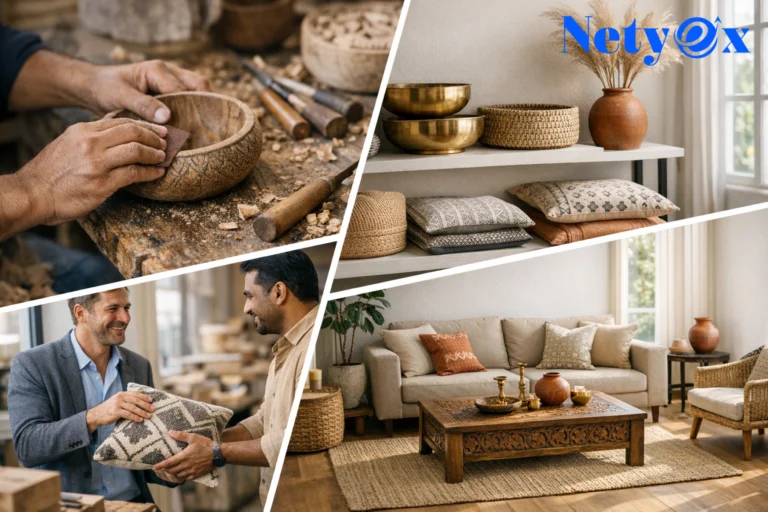



Introduction to Sustainable Décor and Its Growing Demand
Sustainability has become more than just a trend—it’s now a priority for consumers, designers, and businesses around the world. From eco-friendly homes to sustainable hospitality spaces, people are increasingly choosing products that protect the planet and support responsible production.
One country that stands out in the global sustainable décor market is India. With its rich heritage of craftsmanship, natural materials, and traditional techniques, India has long practiced sustainable design principles—even before the concept became mainstream.
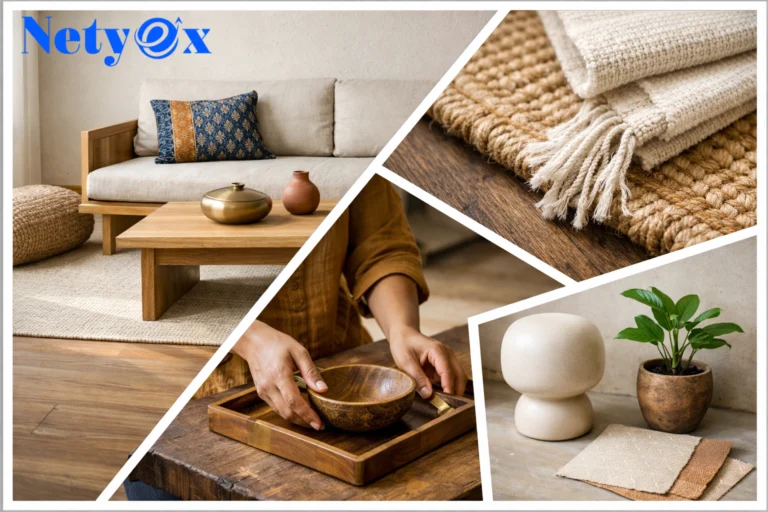
Today, sourcing sustainable décor from India offers buyers an opportunity to combine ethical sourcing with stunning aesthetics. Handmade décor items made from recycled wood, natural fibers, organic dyes, and eco-conscious processes are now widely exported to homes, hotels, and businesses across the globe.
From handcrafted wall hangings and wooden furniture to eco-friendly lighting and textiles, India provides a diverse range of décor products that are both beautiful and environmentally responsible.
This article explores the key benefits of sourcing sustainable décor from India, highlighting why designers, retailers, and eco-conscious consumers increasingly look to this country for sustainable home and interior products.
Understanding Sustainable Décor
Before exploring the benefits, it’s important to understand what sustainable décor actually means.
Sustainable décor refers to home accessories, furniture, and decorative items that are produced using environmentally responsible materials and ethical manufacturing practices.
Characteristics of Sustainable Décor
Sustainable décor typically includes:
- Natural or renewable materials
- Recycled or reclaimed resources
- Low-impact manufacturing processes
- Fair labor practices
- Durable and long-lasting design
Unlike mass-produced décor items that often involve synthetic materials and harmful chemicals, sustainable décor focuses on reducing environmental impact while maintaining quality and design value.
India’s Long Tradition of Sustainable Craftsmanship
India has centuries-old traditions of using natural materials and handmade techniques. Long before sustainability became a global movement, Indian artisans were already producing eco-friendly products.
Traditional Materials Used in Indian Décor
Some commonly used sustainable materials include:
- Reclaimed wood
- Bamboo
- Cane
- Jute
- Cotton
- Terracotta
- Stone
- Natural dyes
These materials are renewable, biodegradable, and often locally sourced, which reduces environmental impact.
Handcrafted Production Methods
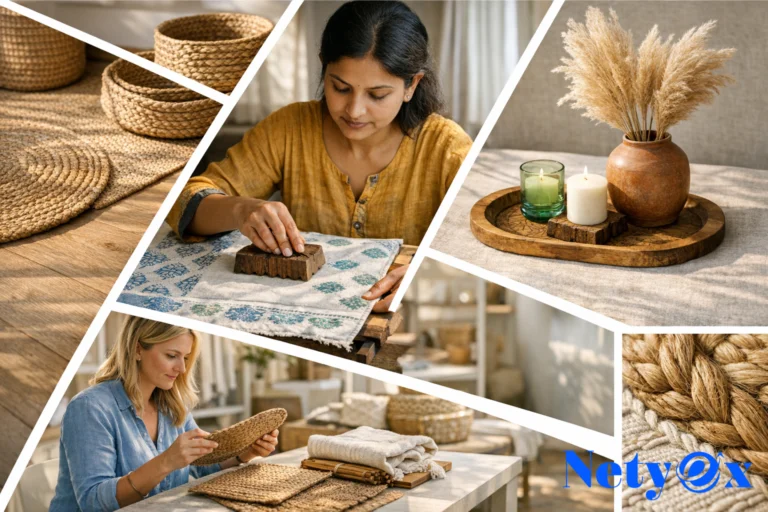
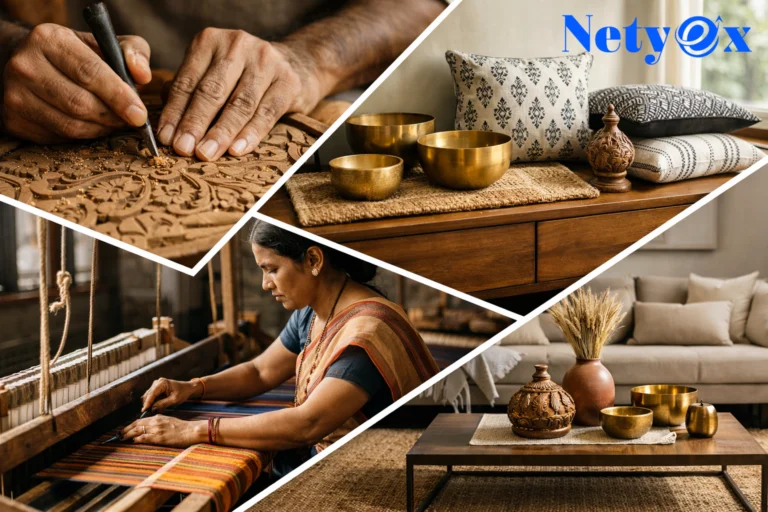
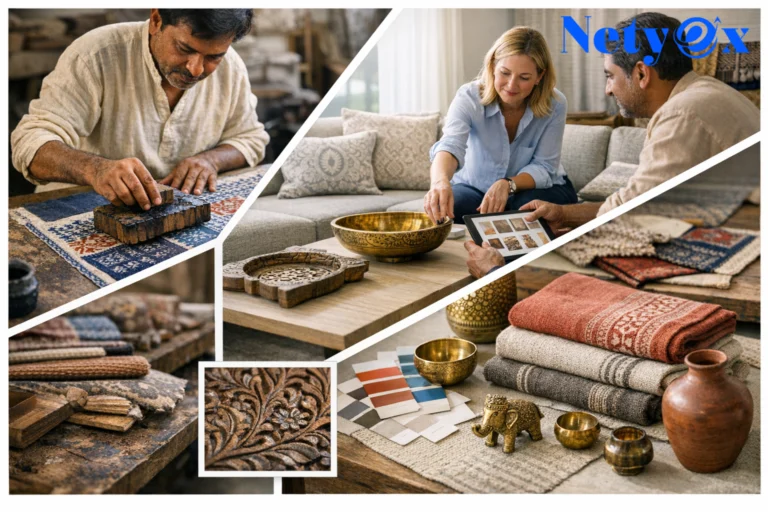
Many décor items in India are still made by hand using traditional techniques such as:
- Hand weaving
- Wood carving
- Block printing
- Pottery
- Metal crafting
These techniques require minimal machinery and energy, making them far more sustainable than large-scale industrial production.
Key Benefits of Sourcing Sustainable Décor from India
Businesses and consumers around the world are increasingly turning to India for eco-friendly décor products. Below are the major reasons why sourcing sustainable décor from India is a smart choice.
1. Access to Natural and Eco-Friendly Materials
One of the biggest advantages of sourcing sustainable décor from India is the availability of natural materials.
Indian artisans frequently work with materials that are:
- Renewable
- Biodegradable
- Locally sourced
- Environmentally safe
Examples include:
- Bamboo furniture
- Jute rugs
- Cotton textiles
- Terracotta decorative items
Because these materials grow naturally and require minimal processing, they significantly reduce environmental impact compared to synthetic alternatives.
2. Skilled Artisan Craftsmanship
India is home to millions of artisans who specialize in traditional craft techniques passed down through generations.
When businesses source décor products from India, they gain access to:
- Handcrafted quality
- Unique designs
- Cultural authenticity
- Skilled craftsmanship
Unlike factory-produced items, handcrafted décor pieces often feature intricate details and artistic touches that make them truly unique.
This craftsmanship adds both aesthetic and cultural value to sustainable décor.
3. Support for Ethical and Fair Trade Practices
Another important benefit of sourcing sustainable décor from India is the support it provides to artisan communities.
Many Indian décor manufacturers and exporters work within fair trade frameworks, ensuring artisans receive fair wages and safe working conditions.
This helps:
- Preserve traditional crafts
- Support rural livelihoods
- Empower women artisans
- Strengthen local economies
For socially responsible brands and retailers, ethical sourcing is a major advantage.
4. Wide Variety of Sustainable Décor Products
India offers an extensive range of eco-friendly décor products suitable for different interior styles.
Popular sustainable décor categories include:
Textiles
- Organic cotton cushion covers
- Handwoven rugs
- Block printed table linens
- Sustainable curtains
Furniture
- Reclaimed wood tables
- Bamboo chairs
- Cane cabinets
Decorative Accessories
- Handmade baskets
- Terracotta planters
- Wooden sculptures
- Metal lanterns
This variety allows buyers to source multiple product categories from a single country while maintaining sustainability standards.
5. Unique Designs Inspired by Cultural Heritage
Indian décor products are often inspired by centuries of cultural history, art, and architecture.
Design influences include:
- Mughal patterns
- Tribal art
- Traditional block prints
- Hand-carved motifs
These designs create décor pieces that stand out in global markets.
For retailers and interior designers, sourcing sustainable décor from India offers access to distinctive, culturally rich designs that cannot easily be replicated elsewhere.
6. Competitive Pricing with High Quality
Despite the handcrafted nature of many products, India remains highly competitive in terms of pricing.
Several factors contribute to this:
- Abundant raw materials
- Skilled artisan workforce
- Efficient manufacturing networks
- Strong export infrastructure
This allows buyers to source high-quality sustainable décor products at reasonable costs while maintaining good profit margins.
7. Growing Global Demand for Sustainable Products
Consumer demand for sustainable home décor is rising rapidly across the world.
People today prefer products that are:
- Eco-friendly
- Ethically produced
- Durable
- Unique
By sourcing sustainable décor from India, businesses can meet this growing demand while offering products that align with environmentally conscious lifestyles.
Sustainability is no longer a niche trend—it has become a mainstream purchasing factor.
8. Customization and Handmade Flexibility
Another advantage of working with Indian manufacturers is the ability to customize designs.
Many artisans and exporters offer:
- Custom materials
- Personalized patterns
- Unique finishes
- Private label production
Because products are often handmade, small design adjustments are easier compared to large automated factories.
This flexibility helps brands create exclusive décor collections.
9. Sustainable Production Processes
In addition to natural materials, many Indian manufacturers also follow eco-friendly production methods.
These include:
- Low-energy handcrafted processes
- Natural dyeing techniques
- Waste recycling
- Water conservation practices
Such methods reduce the overall environmental footprint of décor production.
This makes sourcing from India an attractive option for companies committed to sustainable supply chains.
10. Strong Export Infrastructure
India has developed a robust export ecosystem for handicrafts and home décor products.
Key advantages include:
- Experienced export companies
- International quality standards
- Reliable logistics networks
- Large-scale production capacity
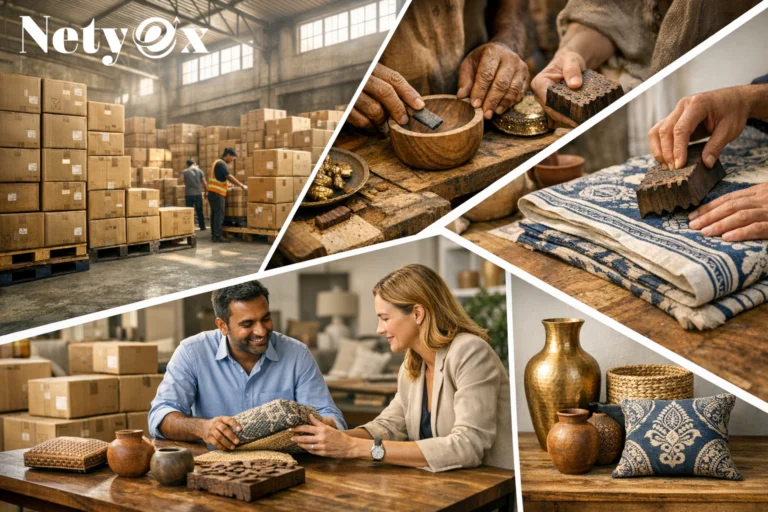
Many exporters work closely with global buyers, ensuring smooth communication, packaging standards, and shipping processes.
This makes sourcing sustainable décor from India easier for international businesses.
Challenges to Consider When Sourcing Sustainable Décor
While there are many advantages, buyers should also be aware of potential challenges.
Quality Consistency
Handcrafted items may vary slightly in design and finish. While this adds uniqueness, it may require careful quality checks.
Lead Times
Handmade production can sometimes take longer than factory manufacturing.
Supplier Verification
Businesses should verify suppliers to ensure they truly follow sustainable and ethical practices.
Working with experienced exporters can help overcome these challenges.
How Businesses Can Source Sustainable Décor from India
Companies interested in sourcing eco-friendly décor can follow several steps:
- Research reputable manufacturers and exporters.
- Request product samples.
- Verify sustainability certifications where available.
- Evaluate production capacity and timelines.
- Build long-term relationships with reliable suppliers.
Many successful brands build partnerships with Indian artisans and exporters to create exclusive sustainable collections.
FAQs About Sourcing Sustainable Décor from India
1. What makes décor products from India sustainable?
Many Indian décor products use natural materials, handmade techniques, and low-impact production methods that reduce environmental harm.
2. Are Indian sustainable décor products handmade?
Yes. A large portion of sustainable décor from India is handcrafted by skilled artisans using traditional techniques.
3. What materials are commonly used in sustainable Indian décor?
Common materials include bamboo, reclaimed wood, jute, cotton, cane, terracotta, and natural dyes.
4. Is sourcing décor from India cost-effective?
Yes. India offers competitive pricing due to abundant raw materials and skilled artisans while maintaining high quality.
5. Can businesses customize sustainable décor products from India?
Many manufacturers and artisans offer customization options such as colors, patterns, sizes, and private labeling.
6. Why is India considered a leading supplier of sustainable décor?
India combines traditional craftsmanship, natural materials, ethical labor practices, and strong export networks, making it a global leader in sustainable home décor.
Conclusion
As the world moves toward environmentally responsible living, sustainable décor is becoming an essential part of modern interior design.
India stands out as one of the most important sources for eco-friendly home décor due to its rich craft traditions, natural materials, and skilled artisans. Businesses and consumers alike benefit from the unique combination of sustainability, cultural authenticity, and design excellence that Indian décor products offer.
The key benefits of sourcing sustainable décor from India include access to natural materials, ethical production, skilled craftsmanship, competitive pricing, and distinctive designs inspired by centuries of tradition.
For brands, retailers, and designers looking to create environmentally conscious spaces, India provides a reliable and inspiring destination for sustainable décor sourcing.