

Introduction to Importing Eco-Friendly Home Décor from India
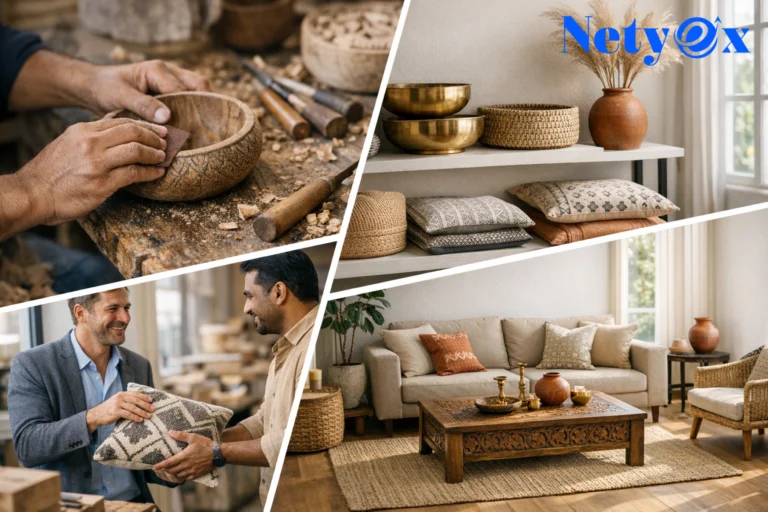
Importing Eco-Friendly Home Décor from India has become increasingly popular in the global marketplace. As consumers shift toward sustainable living, eco-conscious products are gaining strong demand. Home décor items made from natural materials such as bamboo, jute, wood, terracotta, and recycled textiles are now preferred over synthetic alternatives.
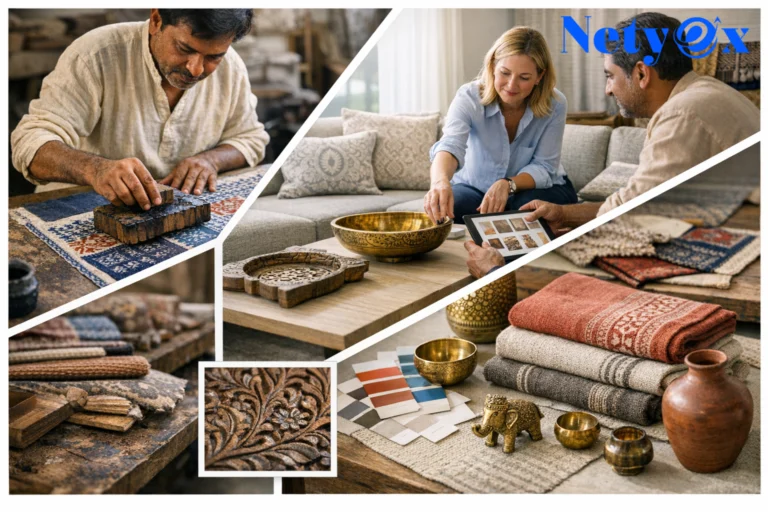
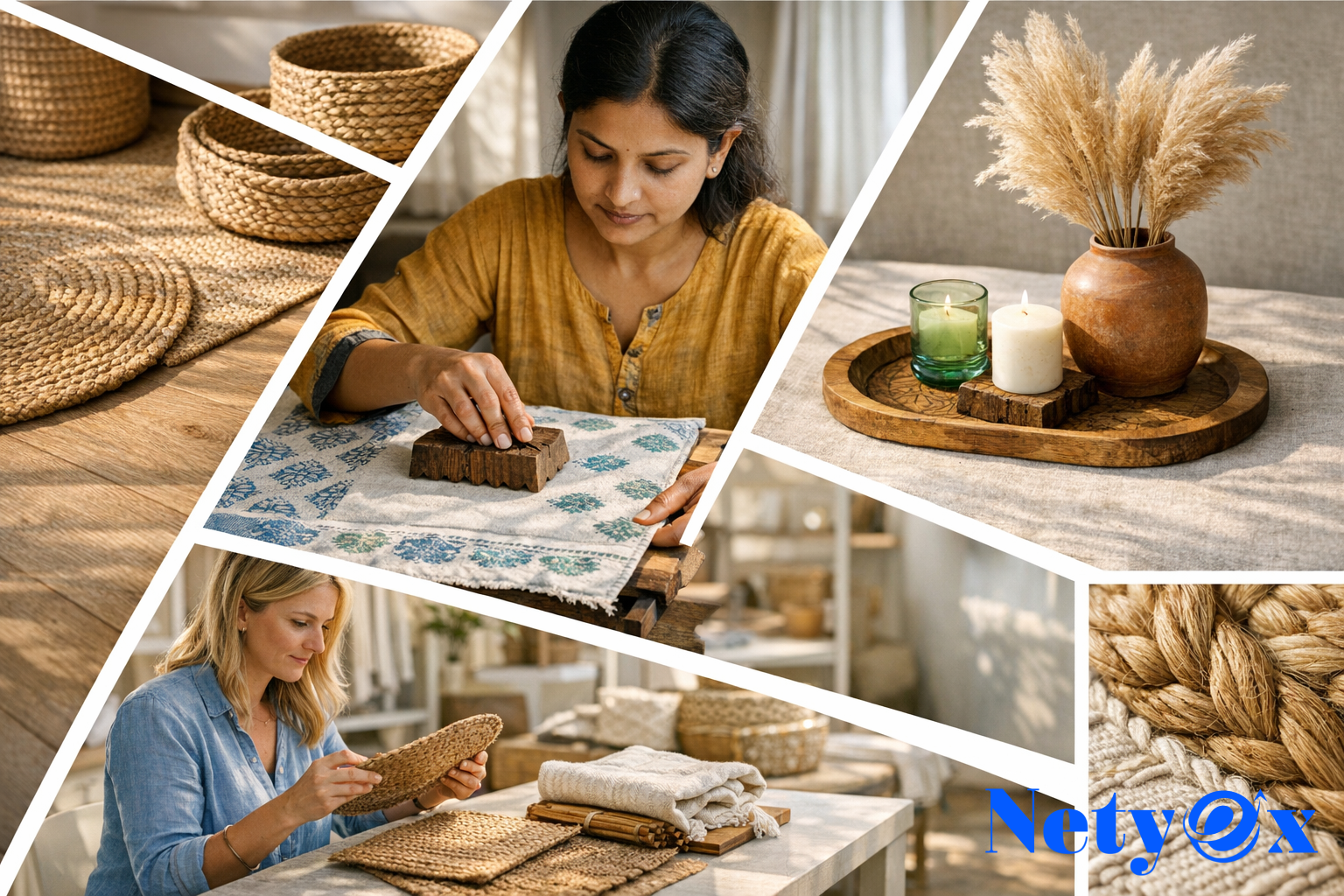
India is one of the world’s largest producers of handmade and sustainable home décor products. The country has a long tradition of craftsmanship, where artisans use environmentally friendly materials and traditional techniques passed down through generations. These products not only support sustainability but also carry cultural heritage and unique artistic value.
From handcrafted wall hangings and organic cotton cushion covers to bamboo lamps and recycled metal décor, Indian manufacturers produce a wide variety of eco-friendly products suitable for global markets. Importers from Europe, the United States, Australia, and many other regions are increasingly sourcing from India due to competitive pricing, high-quality craftsmanship, and sustainable materials.
Another important factor driving this trend is the rise of ethical consumerism. Many buyers now prioritize products that are responsibly sourced, biodegradable, and made under fair working conditions. India’s eco-friendly décor industry aligns perfectly with these values.
However, importing products internationally requires proper planning and understanding of various processes such as supplier sourcing, quality checks, shipping, customs regulations, and documentation. Without the right knowledge, new importers may face delays, unexpected costs, or compliance issues.
This comprehensive guide explains everything you need to know about Importing Eco-Friendly Home Décor from India, including how to find reliable suppliers, understand export documentation, manage logistics, and ensure product quality. Whether you are starting an online store, expanding a retail business, or sourcing products for wholesale distribution, this guide will help you navigate the entire process smoothly.
Why Eco-Friendly Home Décor is in High Demand
Sustainability has become one of the most influential trends in modern home design. Many homeowners are now choosing décor items that reduce environmental impact while maintaining aesthetic appeal.
Eco-friendly décor products are typically made using renewable resources, recycled materials, or biodegradable components. These products often have a lower carbon footprint compared to mass-produced synthetic items.
Several factors are driving this demand:
Growing Environmental Awareness
Consumers today are more aware of environmental challenges such as climate change, pollution, and deforestation. As a result, they prefer products that promote sustainable living.
Eco-friendly home décor fits perfectly into this lifestyle because these items are often made with minimal industrial processing and natural materials.
Unique Handmade Designs
Mass-produced décor items often lack originality. Handmade décor products from India, however, showcase unique patterns, textures, and craftsmanship.
Artisans create items such as:
- Handwoven rugs
- Bamboo lighting fixtures
- Terracotta vases
- Jute wall décor
- Reclaimed wood furniture accents
Each piece often carries slight variations, making it unique and more appealing to buyers who value authenticity.
Support for Ethical and Fair Trade Practices
Many eco-friendly décor manufacturers in India work within artisan communities. Importing these products helps support rural economies and preserves traditional craft techniques.
This social impact aspect adds value to the product and resonates strongly with ethical consumers.
Growing Sustainable Home Trends
Interior design trends now emphasize natural textures, organic materials, and earthy aesthetics. Eco-friendly décor items align perfectly with these themes.
Popular trends include:
- Minimalist natural interiors
- Bohemian décor styles
- Scandinavian eco-design
- Sustainable lifestyle homes
Because of these trends, businesses importing eco-friendly décor can tap into a rapidly expanding global market.
Types of Eco-Friendly Home Décor Products Available in India
India offers a vast variety of eco-friendly home décor items crafted from natural and recycled materials. These products cater to different interior styles and consumer preferences.
Below are some of the most popular product categories importers choose when Importing Eco-Friendly Home Décor from India.
Bamboo and Cane Décor
Bamboo is one of the most sustainable materials in the world because it grows quickly and requires minimal resources.
Common bamboo décor products include:
- Bamboo pendant lamps
- Decorative baskets
- Wall panels
- Storage organizers
- Bamboo plant holders
These products are lightweight, durable, and environmentally friendly.
Jute and Natural Fiber Products
Jute is widely grown in India and is biodegradable, strong, and versatile.
Popular jute décor items include:
- Jute rugs
- Wall hangings
- Table runners
- Cushion covers
- Storage baskets
Natural fiber décor fits well with rustic and minimalist interior designs.
Reclaimed Wood Décor
Many Indian artisans create decorative items using reclaimed or recycled wood. This process reduces waste and gives old materials a second life.
Examples include:
- Wooden wall art
- Rustic photo frames
- Decorative shelves
- Wooden sculptures
Reclaimed wood décor is especially popular in vintage and farmhouse-style interiors.
Terracotta and Clay Décor
Terracotta is an eco-friendly material made from natural clay. It has been used in India for centuries for both decorative and functional products.
Terracotta décor products include:
- Decorative pots
- Sculptures
- Wall plates
- Candle holders
- Planters
These items add warmth and earthy aesthetics to interiors.
Recycled Metal and Glass Décor
Some manufacturers create decorative items using recycled metals or glass.
Examples include:
- Decorative lanterns
- Vintage-style mirrors
- Metal wall art
- Upcycled glass vases
These products promote circular economy practices by reusing materials that might otherwise become waste.
Benefits of Importing Eco-Friendly Home Décor from India
Importers choose India for several key reasons that make it an ideal sourcing destination.
Competitive Pricing
India offers relatively lower manufacturing costs compared to many Western countries. Skilled labor, abundant raw materials, and established artisan communities help keep production costs affordable.
This allows importers to maintain good profit margins.
Skilled Artisan Craftsmanship
Indian craftsmen are known for their expertise in traditional handicrafts. Many techniques have been passed down through generations.
This craftsmanship ensures high-quality handmade products that stand out in global markets.
Wide Product Variety
India produces thousands of different décor styles and materials. Importers can easily build diverse product catalogs with unique items.
Customization Opportunities
Many Indian manufacturers offer customization options such as:
- Private labeling
- Custom colors
- Size modifications
- Branding
This flexibility helps businesses create unique product lines.
Sustainable Manufacturing Practices
Many exporters follow eco-friendly production practices such as:
- Using natural dyes
- Reducing chemical usage
- Recycling materials
- Supporting fair trade initiatives
This aligns with sustainability standards demanded by international markets.
How to Find Reliable Suppliers in India
Finding trustworthy suppliers is one of the most important steps when Importing Eco-Friendly Home Décor from India.
Attend Trade Shows and Exhibitions
India hosts several international handicraft and home décor trade shows. These events allow importers to meet manufacturers directly.
Trade fairs also help buyers evaluate product quality and establish long-term relationships.
Use B2B Marketplaces
Many Indian exporters list their products on international B2B platforms where buyers can connect with verified suppliers.
When evaluating suppliers, consider:
- Business certifications
- Product catalogs
- Customer reviews
- Export experience
Request Product Samples
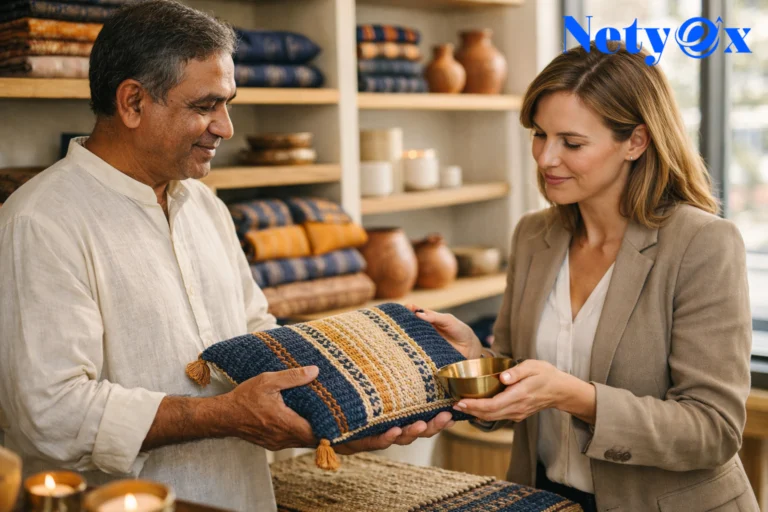
Before placing large orders, always request product samples. This helps verify product quality, materials, and craftsmanship.
Conduct Factory Audits
If possible, conduct a factory visit or hire a third-party inspection agency to assess the supplier’s facilities.
Factory audits help ensure:
- Quality control standards
- Ethical labor practices
- Production capabilities
Understanding Export Documentation
Importing products requires proper documentation to avoid customs issues.
Common documents include:
- Commercial Invoice
- Packing List
- Bill of Lading or Airway Bill
- Certificate of Origin
- Export Declaration
- Import License (if required)
Proper documentation ensures smooth customs clearance.
Shipping and Logistics for International Buyers
Shipping is a crucial part of the import process.
Sea Freight
Sea freight is the most common method for large shipments because it is cost-effective.
However, it takes longer than air freight.
Air Freight
Air freight is faster but more expensive. It is typically used for small orders or urgent shipments.
Freight Forwarders
Freight forwarders help manage shipping logistics, including:
- Cargo booking
- Documentation
- Customs clearance
- Insurance
Working with experienced freight partners can simplify the process significantly.
Quality Control and Inspection
Quality checks are essential before shipping goods internationally.
Inspection agencies can verify:
- Product quality
- Packaging standards
- Quantity accuracy
- Compliance with buyer requirements
Conducting inspections before shipment reduces the risk of receiving defective products.
Marketing Eco-Friendly Décor Products
Successfully importing products is only the first step. Effective marketing is essential for sales.
Businesses can highlight:
- Sustainability benefits
- Artisan craftsmanship
- Natural materials
- Cultural authenticity
Storytelling around the product origin and craftsmanship often attracts environmentally conscious consumers.
Frequently Asked Questions
1. Is importing eco-friendly home décor from India profitable?
Yes. Demand for sustainable home products is growing rapidly worldwide. Importers can achieve good profit margins due to competitive manufacturing costs in India.
2. What materials are commonly used in eco-friendly décor products?
Common materials include bamboo, jute, reclaimed wood, terracotta, organic cotton, recycled glass, and metal.
3. Do Indian suppliers offer customization for imported décor products?
Many suppliers provide customization options such as private labeling, color changes, and custom designs for bulk orders.
4. What is the minimum order quantity for importing from India?
Minimum order quantities vary by supplier but typically range from small sample orders to larger wholesale quantities.
5. How long does shipping take when importing from India?
Sea freight usually takes several weeks depending on the destination, while air freight can deliver shipments within a few days.
6. How can buyers ensure product quality before shipment?
Buyers can request product samples, conduct factory inspections, and hire third-party quality control agencies.
Conclusion
The global demand for sustainable products continues to grow, making Importing Eco-Friendly Home Décor from India a promising opportunity for entrepreneurs and businesses.
India’s strong artisan heritage, abundant natural materials, and competitive manufacturing costs make it one of the best sourcing destinations for eco-conscious décor items. From bamboo lighting and jute rugs to terracotta pottery and reclaimed wood décor, the country offers a vast variety of products suited for international markets.
However, successful importing requires careful planning. Businesses must identify reliable suppliers, verify product quality, understand shipping logistics, and comply with international trade regulations. Establishing strong relationships with manufacturers and freight partners can help ensure a smooth import process.
By focusing on sustainability, ethical sourcing, and authentic craftsmanship, businesses can build strong brands that appeal to modern eco-conscious consumers.
With the right strategy, Importing Eco-Friendly Home Décor from India can become not only profitable but also a meaningful way to promote sustainable living and support artisan communities around the world.