


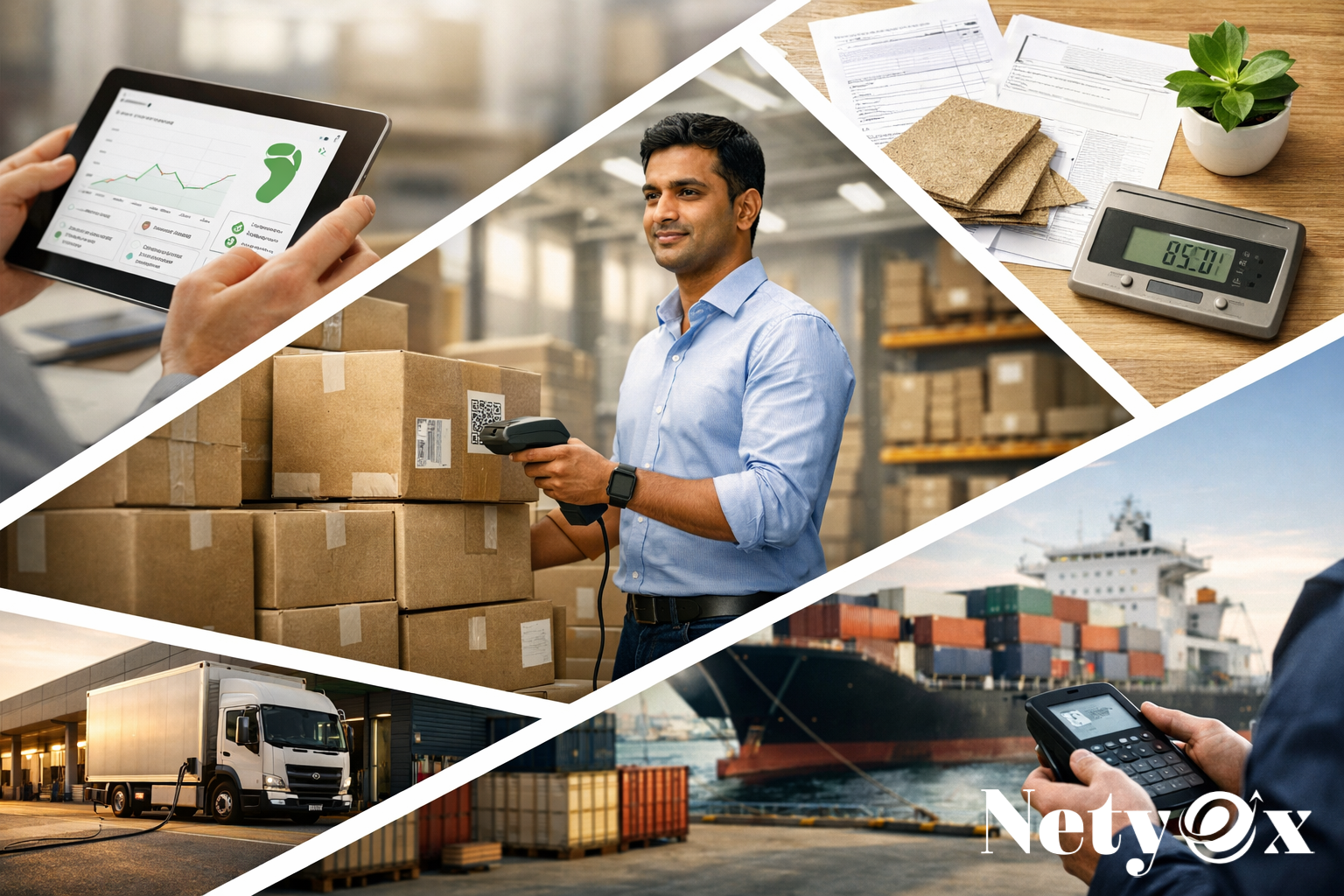
Introduction to Environmental Impact in Global Trade
Understanding How to Measure the Environmental Impact of Export Operations is no longer optional—it’s essential. In today’s interconnected world, goods travel thousands of miles before reaching customers. Ships cross oceans, trucks drive across borders, and planes fly between continents. All of these activities leave an environmental footprint.
Export operations involve manufacturing, packaging, transportation, storage, and distribution. Each stage consumes resources like fuel, electricity, and water. At the same time, they generate greenhouse gases, waste, and pollution.
Businesses that ignore their environmental impact risk falling behind. Governments are introducing stricter environmental regulations. Customers are choosing eco-friendly brands. Investors are demanding transparency. So, measuring environmental impact isn’t just good for the planet—it’s smart business.
Let’s explore how companies can measure, manage, and reduce their environmental footprint effectively.
Why Measuring Environmental Impact in Export Operations Matters
Measuring environmental impact helps businesses understand where emissions and waste come from. Without measurement, improvement is impossible.
Climate Change and Carbon Emissions
Export operations significantly contribute to global carbon emissions. Shipping alone accounts for a noticeable share of greenhouse gases. By calculating emissions from production and transportation, companies can identify high-impact areas.
Tracking emissions also supports climate goals. Many organizations aim to reach carbon neutrality. But they can’t achieve that without accurate data.
Regulatory Compliance and International Standards
Governments are tightening environmental laws. Companies exporting goods must comply with both domestic and foreign environmental regulations. Measuring environmental impact ensures businesses meet standards and avoid penalties.
Environmental reporting is increasingly mandatory in many regions. Transparent measurement protects companies from legal risks.
Corporate Social Responsibility and Brand Value
Consumers care about sustainability. When companies show they are actively measuring and reducing their environmental impact, trust increases.
Investors also prefer companies with strong environmental, social, and governance (ESG) performance. Measuring environmental impact strengthens brand credibility and market position.
Key Environmental Indicators in Export Operations
To measure environmental impact properly, businesses must track specific indicators.
Carbon Footprint Measurement
The carbon footprint measures total greenhouse gas emissions caused by operations. This includes fuel used in shipping, electricity in warehouses, and emissions from production.
Carbon emissions are usually measured in metric tons of CO₂ equivalent (CO₂e). Companies must collect data on fuel consumption, electricity use, and transportation distances.
Energy Consumption Metrics
Energy use is a major contributor to environmental impact. Tracking kilowatt-hours consumed during manufacturing, storage, and transportation helps identify inefficiencies.
Energy intensity—energy used per unit of product—provides a useful benchmark.
Water Usage Assessment
Manufacturing often requires significant water use. Measuring water consumption and wastewater discharge ensures responsible water management.
Waste Generation and Management
Waste from packaging, damaged goods, and production scraps should be measured. Companies should track:
- Total waste generated
- Percentage recycled
- Hazardous waste disposal
Packaging Sustainability Indicators
Packaging plays a major role in exports. Measuring packaging weight, recyclability, and material source (plastic vs biodegradable) provides valuable environmental insights.
Life Cycle Assessment (LCA) as a Core Measurement Tool
Life Cycle Assessment (LCA) is one of the most effective tools for understanding environmental impact.
Understanding Cradle-to-Grave Analysis
LCA evaluates a product’s environmental footprint from raw material extraction to final disposal. This includes:
- Material sourcing
- Manufacturing
- Packaging
- Transportation
- End-of-life disposal
This holistic approach helps companies see the full environmental picture.
Scope 1, Scope 2, and Scope 3 Emissions
Emissions are categorized into three scopes:
- Scope 1: Direct emissions from company-owned operations
- Scope 2: Indirect emissions from purchased electricity
- Scope 3: Emissions across the supply chain, including transportation and suppliers
Export operations heavily involve Scope 3 emissions, making them essential to measure.
Measuring Transportation and Logistics Emissions
Transportation is often the largest environmental contributor in export operations.
Sea Freight Environmental Impact
Sea freight emits lower CO₂ per ton than air freight but still produces significant emissions. Companies should calculate fuel usage and shipping distance.
Air Freight Emissions Analysis
Air freight is faster but has a higher carbon footprint. Measuring emissions per shipment allows businesses to decide when air transport is truly necessary.
Land Transportation and Last-Mile Delivery
Trucks and trains also generate emissions. Tracking fuel efficiency and route optimization improves sustainability.
Evaluating Supply Chain Environmental Performance
Environmental responsibility doesn’t stop at the company’s doorstep.
Supplier Environmental Audits
Companies should assess suppliers’ environmental practices. This includes reviewing energy use, waste management, and compliance with environmental laws.
Sustainable Sourcing Metrics
Tracking raw material origin ensures responsible sourcing. Certified sustainable materials reduce overall impact.
Data Collection Methods and Tools
Accurate measurement depends on reliable data.
Environmental Management Systems (EMS)
An EMS helps track environmental performance systematically. It organizes data, monitors compliance, and identifies improvement areas.
Carbon Accounting Software
Digital tools calculate emissions automatically based on operational data. These systems reduce human error.
Digital Monitoring and IoT Integration
Sensors and IoT devices monitor fuel use, temperature control, and energy consumption in real time.
Setting Benchmarks and Sustainability KPIs
Key Performance Indicators (KPIs) help track progress. Common KPIs include:
- Emissions per shipment
- Energy per production unit
- Waste recycling rate
- Water usage reduction percentage
Benchmarking against industry averages provides perspective.
Reducing the Environmental Impact of Export Operations
Measuring is just the first step. Action must follow.
Green Logistics Strategies
- Route optimization
- Load consolidation
- Switching to low-emission fuels
These strategies lower transportation emissions.
Eco-Friendly Packaging Innovations
Using biodegradable materials reduces waste. Lightweight packaging reduces fuel consumption.
Renewable Energy Adoption
Installing solar panels in warehouses reduces Scope 2 emissions.
Reporting and Communicating Environmental Impact
Transparency builds trust. Companies should publish sustainability reports detailing emissions, goals, and progress.
Clear reporting shows commitment and accountability.
Challenges in Measuring Environmental Impact
Despite the benefits, challenges exist:
- Complex supply chains
- Incomplete supplier data
- Changing regulations
- Data accuracy issues
Overcoming these challenges requires collaboration and digital tools.
Future Trends in Sustainable Export Operations
The future looks promising. Innovations such as green hydrogen shipping fuel and electric freight trucks are emerging.
Carbon border taxes may also encourage companies to reduce emissions.
Technology will make environmental measurement more precise and automated.
Frequently Asked Questions (FAQs)
1. Why is measuring environmental impact important in export operations?
It helps companies reduce emissions, comply with regulations, and improve brand reputation.
2. What is the biggest contributor to environmental impact in exports?
Transportation, especially air freight, often contributes the most.
3. How often should environmental impact be measured?
Most companies track it annually, but quarterly monitoring is ideal.
4. What tools are used to measure carbon emissions?
Carbon accounting software and life cycle assessment tools are commonly used.
5. Can small businesses measure export environmental impact?
Yes. Even simple tracking of fuel, energy, and packaging use provides valuable insight.
6. What are Scope 3 emissions in export operations?
They include emissions from suppliers, transportation, and distribution networks.
Conclusion: Building a Sustainable Export Strategy
Understanding How to Measure the Environmental Impact of Export Operations empowers businesses to take control of their environmental footprint. By tracking emissions, monitoring supply chains, and setting clear sustainability goals, companies can reduce risks and increase competitiveness.
Sustainability is no longer a trend—it’s the future of global trade. Companies that measure and manage their environmental impact today will lead tomorrow’s markets.