


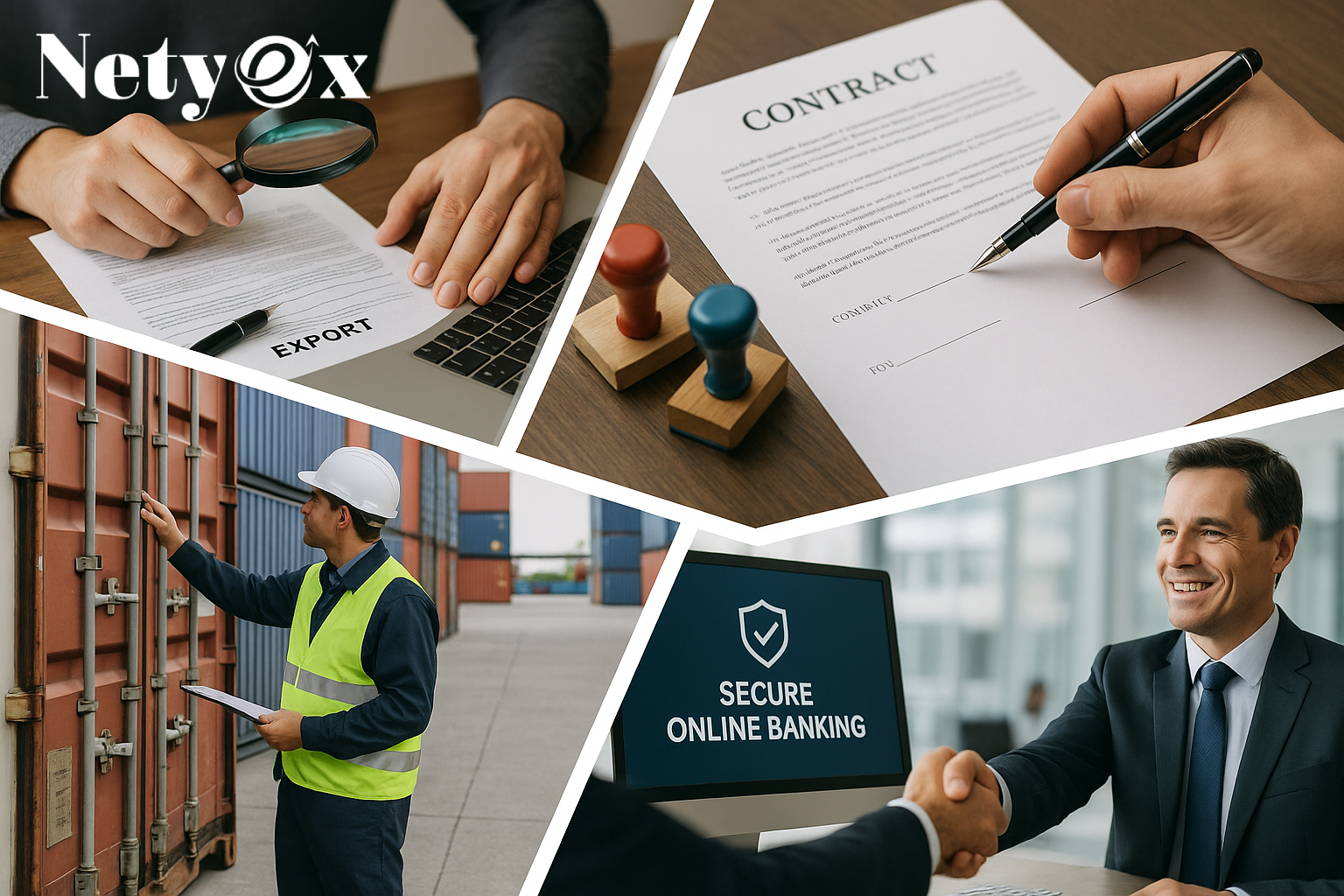
Introduction: How to Avoid Fraud in International Trade
How to Avoid Fraud in International Trade is a critical concern for exporters, importers, and global traders of all sizes. International trade involves cross-border payments, unfamiliar partners, complex documentation, multiple intermediaries, and varying legal systems. These factors create opportunities for fraudsters to exploit gaps in trust, verification, and control.
Trade fraud does not only affect large corporations. Small and medium exporters are often more vulnerable because they operate with limited resources, less legal protection, and fewer verification mechanisms. Fraud can result in non-payment, loss of goods, legal disputes, reputational damage, and long-term financial stress.
This article provides a clear, structured, and practical guide on how to avoid fraud in international trade, covering common fraud types, warning signs, preventive measures, and best practices—without using any external images or links.
Why International Trade Is Vulnerable to Fraud
Global trade transactions are inherently complex.
Key Risk Factors
- Distance between buyers and sellers
- Limited face-to-face interaction
- Differences in legal and regulatory systems
- Multiple documents and intermediaries
- Time gaps between shipment and payment
Fraud thrives where verification is weak and trust is assumed too easily.
Common Types of Fraud in International Trade
Understanding fraud types is the first step to prevention.
1. Payment Fraud
Occurs when buyers delay, refuse, or falsify payments after receiving goods.
Examples:
- Fake proof of payment
- Chargeback fraud
- Buyer disappears after shipment
2. Buyer Impersonation Fraud
Fraudsters pose as legitimate companies or buyers.
Examples:
- Fake company websites or emails
- Slightly altered email domains
- False purchase orders
3. Advance Payment Fraud
Exporters pay fees or deposits but receive no real order.
Examples:
- Fake agents requesting registration fees
- Fraudulent inspection or certification charges
4. Document Fraud
Manipulation or forgery of trade documents.
Examples:
- Altered bills of lading
- Fake certificates or inspection reports
- False shipping confirmations
5. Cargo and Logistics Fraud
Fraud occurs during shipment or delivery.
Examples:
- Goods diverted or stolen
- Fake delivery confirmations
- Unauthorized cargo release
6. Quality and Specification Fraud
Buyers falsely claim goods are defective to avoid payment.
Examples:
- Disputes raised after delivery without evidence
- False damage or quality complaints
Red Flags Exporters Should Never Ignore
Early warning signs often appear before fraud occurs.
Common Warning Signals
- Pressure for urgent shipment or payment
- Unwillingness to use secure payment methods
- Requests to change bank details at the last moment
- Poor-quality documentation or inconsistent information
- Refusal to provide company verification details
Any one red flag does not confirm fraud—but multiple red flags demand caution.
Conduct Proper Buyer Due Diligence
Verification is essential before accepting orders.
Best Practices for Buyer Verification
- Verify company registration details
- Check physical address and contact numbers
- Confirm business history and trade references
- Validate email domains and official communication channels
Never rely solely on emails or online profiles.
Use Secure and Appropriate Payment Methods
Payment structure significantly affects fraud risk.
Safer Payment Practices
- Avoid full shipment on open account for new buyers
- Use milestone-based or secured payment structures
- Request advance payments for first-time transactions
- Match payment terms to buyer risk level
Payment discipline reduces exposure.
Protect Against Document Fraud
Documents are central to trade transactions.
Document Control Measures
- Cross-check all shipping and trade documents
- Ensure consistency across invoices, packing lists, and transport documents
- Avoid sending original documents without payment security
- Maintain version control and records
Small document errors can have major consequences.
Control Communication Channels Carefully
Many frauds begin through email manipulation.
Communication Security Tips
- Confirm payment and bank detail changes verbally
- Use official company email domains
- Restrict access to sensitive information
- Educate staff on email spoofing risks
Human vigilance is a powerful defense.
Use Clear and Detailed Contracts
Ambiguity enables fraud and disputes.
Contractual Safeguards
- Define product specifications clearly
- Specify payment terms and timelines
- Include inspection and dispute procedures
- Define jurisdiction and governing law
Clear contracts reduce manipulation.
Manage Logistics and Shipment Risk
Control does not end after shipment.
Logistics Risk Mitigation
- Work with reputable logistics partners
- Track shipments actively
- Release goods only against agreed conditions
- Confirm delivery through verified channels
Shipment visibility reduces cargo-related fraud.
Avoid Over-Reliance on Agents or Intermediaries
Intermediaries can be helpful—but risky if unchecked.
Safe Use of Intermediaries
- Verify agent credentials and authority
- Avoid paying upfront commissions without contracts
- Maintain direct contact with buyers
- Monitor agent activities closely
Delegation should not mean loss of control.
Implement Internal Controls and Segregation of Duties
Internal weaknesses enable fraud.
Internal Control Measures
- Separate sales, finance, and logistics responsibilities
- Require dual approval for payments and document release
- Maintain audit trails for transactions
Strong internal controls reduce both internal and external fraud.
Train Staff on Trade Fraud Awareness
People are the first line of defense.
Staff Training Focus Areas
- Common fraud tactics
- Document verification basics
- Email and payment fraud risks
- Escalation procedures for suspicious activity
Awareness reduces costly mistakes.
Monitor Transactions Continuously
Fraud prevention is ongoing.
Ongoing Monitoring Practices
- Track payment delays and disputes
- Review buyer behavior changes
- Analyze shipment and delivery anomalies
Early detection limits damage.
Prepare a Fraud Response Plan
Preparation improves resilience.
What a Response Plan Should Include
- Internal reporting procedures
- Documentation preservation
- Legal and insurance notification steps
- Communication strategy
Quick response can prevent further losses.
Special Considerations for Small Exporters
Smaller exporters face higher relative risk.
SME-Specific Tips
- Start with smaller trial shipments
- Avoid overly generous credit terms
- Focus on building long-term buyer relationships
- Be cautious of “too good to be true” deals
Growth should be controlled, not rushed.
Balancing Trust and Caution in Global Trade
Trust is essential—but must be structured.
Smart Trust Approach
- Trust verified processes, not assumptions
- Build trust gradually with performance
- Document everything
Professional caution builds sustainable trade relationships.
Common Mistakes That Increase Fraud Risk
Avoid these frequent errors.
Mistakes to Avoid
- Skipping buyer verification
- Ignoring red flags for fear of losing deals
- Relying only on emails for approvals
- Shipping without payment security
Short-term gains often lead to long-term losses.
Future of Fraud Prevention in International Trade
Fraud methods evolve—but so do defenses.
Emerging Trends
- Increased use of digital verification
- Automation of compliance checks
- Better data sharing across trade ecosystems
- Stronger focus on transparency and traceability
Exporters who adapt early stay safer.
Frequently Asked Questions (FAQs)
1. What is the most common fraud in international trade?
Non-payment or delayed payment after shipment is one of the most common risks.
2. Are small exporters more vulnerable to trade fraud?
Yes, due to limited verification resources and experience.
3. Can contracts fully prevent trade fraud?
No, but clear contracts significantly reduce risk and disputes.
4. Should exporters avoid new buyers to reduce fraud risk?
No. They should manage risk through verification and secure terms.
5. How important is staff training in fraud prevention?
Very important—many frauds succeed due to human error.
6. What is the biggest mistake exporters make regarding fraud?
Ignoring early warning signs to avoid losing a deal.
Conclusion: Prevention Is the Strongest Defense Against Trade Fraud
How to Avoid Fraud in International Trade ultimately comes down to discipline, verification, and structured risk management. Fraud cannot be eliminated entirely, but it can be significantly reduced by understanding risks, recognizing red flags, implementing strong controls, and maintaining professional caution in every transaction.
Successful exporters balance opportunity with vigilance. They verify before trusting, document before acting, and respond quickly when risks appear. In a complex global trade environment, fraud prevention is not an obstacle to growth—it is a foundation for sustainable, confident, and profitable international business.