

Understanding IoT in Logistics
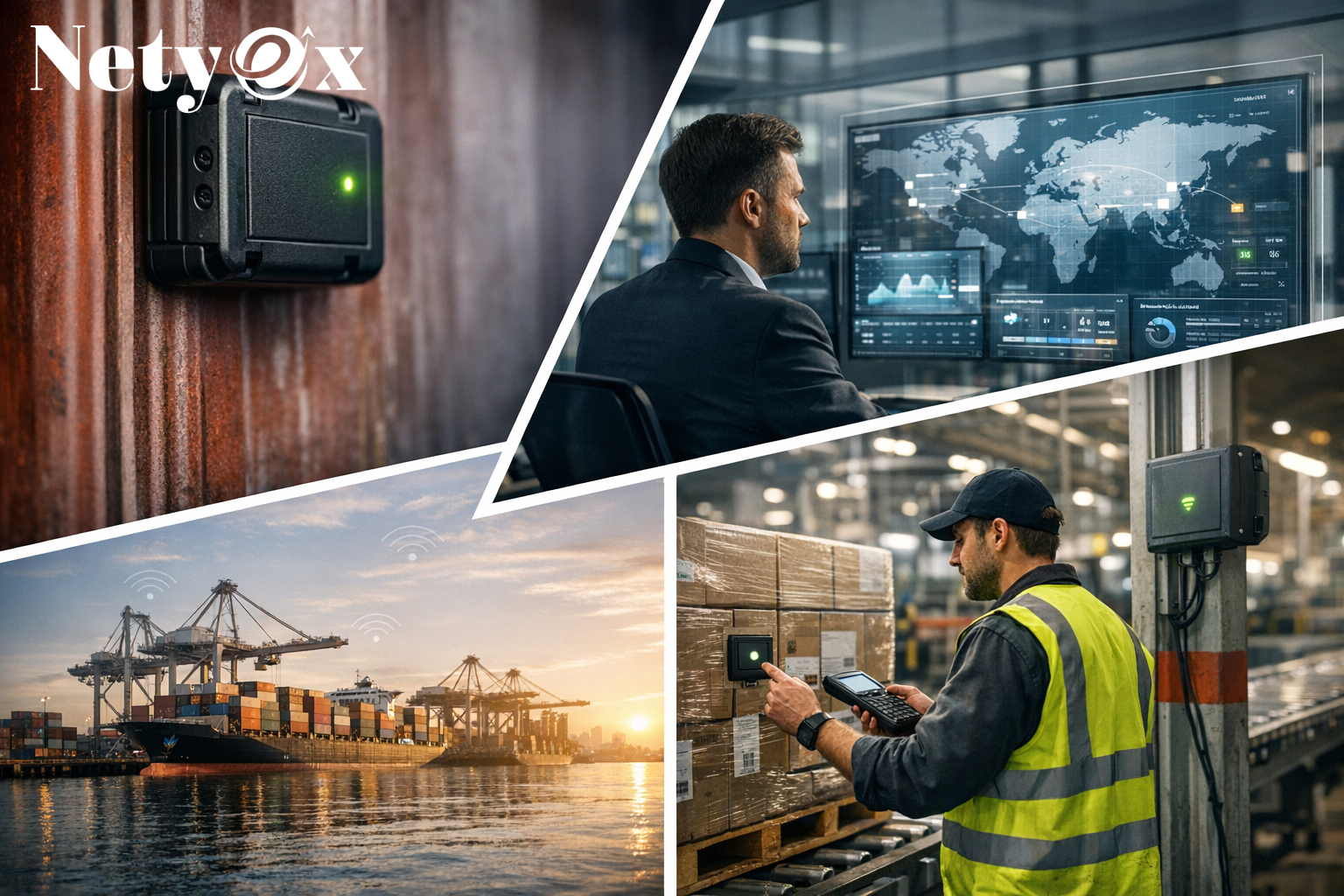
The Internet of Things (IoT) refers to interconnected devices that collect and share data through the internet. In export logistics, IoT devices are placed on containers, vehicles, and storage facilities to monitor shipment status.
Smart Sensors
Smart sensors measure environmental conditions such as:
- Temperature
- Humidity
- Shock and vibration
- Light exposure
This is particularly important for perishable goods and fragile products.
GPS Tracking Devices
GPS-enabled trackers provide real-time location data. Exporters can monitor:
- Truck movements
- Ship routes
- Container transfers
- Port arrivals
This ensures full visibility across international routes.
RFID Technology
Radio Frequency Identification (RFID) tags allow automatic identification of goods within warehouses and shipping containers. RFID improves inventory accuracy and speeds up cargo handling.
Challenges in Traditional Export Logistics
Traditional logistics tracking often relies on:
- Manual updates
- Phone calls and emails
- Delayed shipping reports
- Paper-based documentation
These outdated systems create:
- Limited shipment visibility
- Higher risk of cargo damage
- Delays in responding to disruptions
- Increased administrative workload
IoT addresses these limitations by automating data collection.
Why Exporters Need IoT Tracking Solutions
Risk Management
Export shipments travel long distances across multiple borders. IoT devices provide early warnings if:
- Temperature rises above safe limits
- Containers are opened unexpectedly
- Routes are delayed
This allows exporters to take corrective action immediately.
Compliance Monitoring
Certain industries must meet strict regulations regarding storage and transportation conditions. IoT devices automatically record environmental data, helping exporters comply with international standards.
Key Benefits of IoT Devices in Export Logistics
1. Real-Time Shipment Visibility
IoT provides live updates on shipment location and status.
Benefits include:
- Accurate delivery estimates
- Faster response to delays
- Improved customer communication
Exporters no longer have to rely on outdated status reports.
2. Improved Cargo Condition Monitoring
For industries such as food and pharmaceuticals, maintaining correct temperature is critical.
IoT sensors:
- Monitor refrigerated containers
- Detect environmental fluctuations
- Send instant alerts if thresholds are exceeded
This reduces spoilage and ensures product integrity.
3. Reduced Theft and Loss
IoT tracking improves cargo security. If a shipment deviates from its route or a container is tampered with, the system alerts managers immediately.
This deters theft and minimizes financial losses.
Integration with Supply Chain Systems
IoT devices integrate with:
- Enterprise Resource Planning (ERP) systems
- Warehouse Management Systems (WMS)
- Transportation Management Systems (TMS)
Integration allows exporters to view logistics data alongside inventory and order information, creating a unified control center.
Implementation Strategy for Exporters
Infrastructure Assessment
Before deploying IoT, exporters must evaluate:
- Internet connectivity
- Data storage capabilities
- Existing logistics software
- Hardware compatibility
Reliable infrastructure ensures smooth operation.
Partner Collaboration
Export logistics involves multiple stakeholders:
- Freight forwarders
- Shipping companies
- Customs brokers
- Warehouse operators
Collaboration ensures seamless data sharing across the supply chain.
Cost vs ROI Analysis
IoT implementation involves costs such as:
- Device procurement
- Software integration
- Data storage
- Staff training
However, ROI often comes from:
- Reduced cargo losses
- Lower insurance premiums
- Fewer shipment delays
- Improved operational efficiency
Over time, these savings outweigh the initial investment.
Industry Applications
Food and Beverage Exports
Temperature-sensitive goods require strict monitoring to prevent spoilage.
Pharmaceutical Exports
Medical products must meet precise environmental standards.
Electronics Exports
Sensitive equipment benefits from vibration and shock monitoring.
Across industries, IoT enhances shipment reliability.
Challenges and Risk Mitigation
Data Security
IoT systems must be protected from cyber threats. Encryption and secure access controls are essential.
Connectivity Issues
Some shipping routes may experience limited network coverage. Hybrid tracking solutions help maintain data continuity.
Device Maintenance
Regular calibration and maintenance ensure accurate readings.
Addressing these challenges strengthens system reliability.
Future Trends in IoT Logistics
The future of IoT in export logistics includes:
- AI-powered predictive analytics
- Automated route optimization
- Blockchain integration for transparency
- Smart ports with interconnected infrastructure
As technology advances, IoT tracking will become even more intelligent and autonomous.
How IoT Devices Improve Export Logistics Tracking: Frequently Asked Questions
1. What are IoT devices in export logistics?
They are connected sensors and tracking tools that monitor shipment location and conditions in real time.
2. How does IoT reduce shipment delays?
By providing real-time alerts and location tracking, exporters can respond quickly to disruptions.
3. Is IoT tracking expensive?
While there are upfront costs, long-term savings from reduced losses and improved efficiency often justify the investment.
4. Can IoT improve customer satisfaction?
Yes. Real-time updates allow exporters to provide accurate delivery information.
5. Is IoT secure for international trade?
With proper cybersecurity measures, IoT systems can be highly secure.
6. Which industries benefit most from IoT tracking?
Food, pharmaceuticals, electronics, automotive, and high-value goods industries benefit significantly.
7. Does IoT replace human logistics management?
No. IoT enhances decision-making by providing accurate data, but human oversight remains essential.
Conclusion
In a competitive global market, visibility and control are critical. Understanding How IoT Devices Improve Export Logistics Tracking gives exporters a powerful advantage.
IoT technology delivers:
- Real-time tracking
- Improved cargo protection
- Enhanced compliance
- Reduced operational risks
- Greater customer trust
Although challenges exist, the long-term benefits are substantial.
As global trade continues to evolve, IoT devices will play an increasingly central role in building smarter, safer, and more efficient export logistics systems.
Exporters who embrace IoT today are positioning themselves for stronger resilience and sustainable growth tomorrow.