

The Rich Heritage Behind Indian Rug Craftsmanship
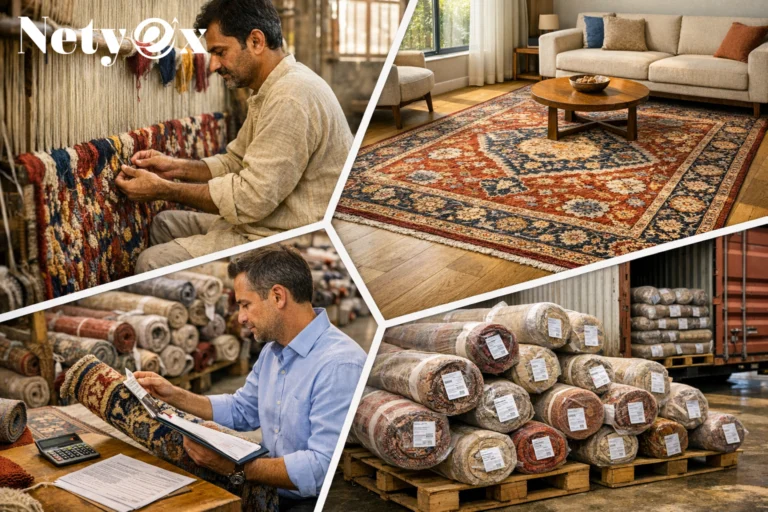
Indian rug weaving has a long and fascinating history that dates back to the Mughal era in the 16th century. Persian artisans were invited to India, and they blended their techniques with Indian artistic traditions. This fusion created a distinct style that remains highly admired today.
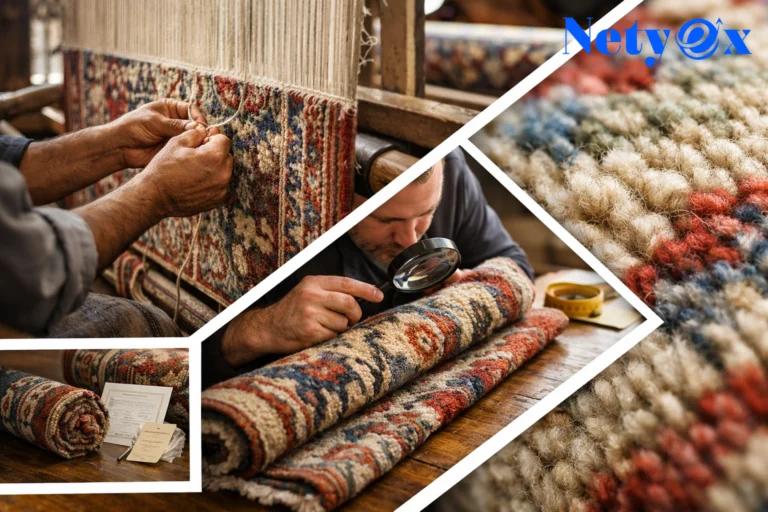
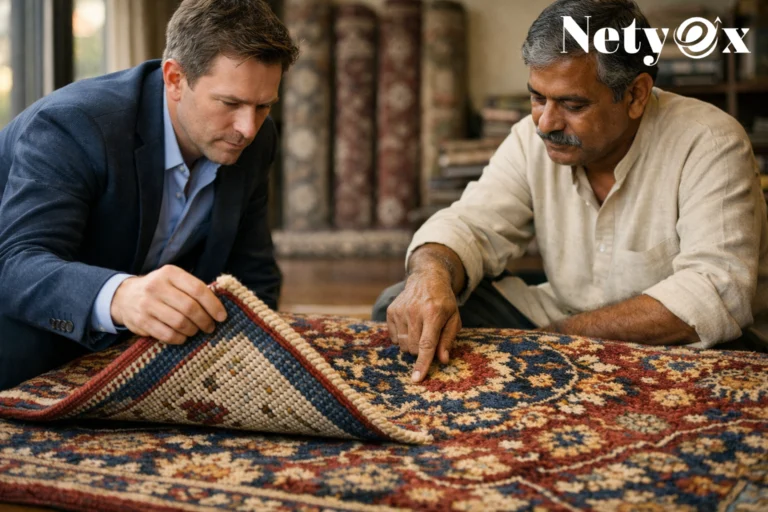
Traditional rug weaving techniques are passed down through generations. Skilled artisans often spend months, and sometimes even years, crafting a single rug by hand. Each knot, color combination, and motif reflects cultural stories and centuries of craftsmanship.
Because of this heritage, Indian rugs are not just décor items—they are works of art with historical significance. When placed in a room, they instantly create a sense of richness and authenticity that mass-produced flooring simply cannot replicate.
Luxury interior designers often prefer Indian rugs because they bring depth and meaning to a space. Instead of being just functional pieces, they become conversation starters that showcase cultural artistry.
Handcrafted Quality That Defines Luxury
Luxury interiors prioritize quality over quantity, and Indian rugs perfectly embody this principle. Most premium Indian rugs are hand-knotted, hand-tufted, or hand-woven using traditional methods.
Why Handcrafted Rugs Feel More Luxurious
- Superior Durability – Hand-knotted rugs can last for decades.
- Unique Character – No two handcrafted rugs are exactly alike.
- Detailed Patterns – Skilled artisans create intricate motifs impossible for machines to replicate.
- Premium Materials – Wool, silk, and cotton are often used.
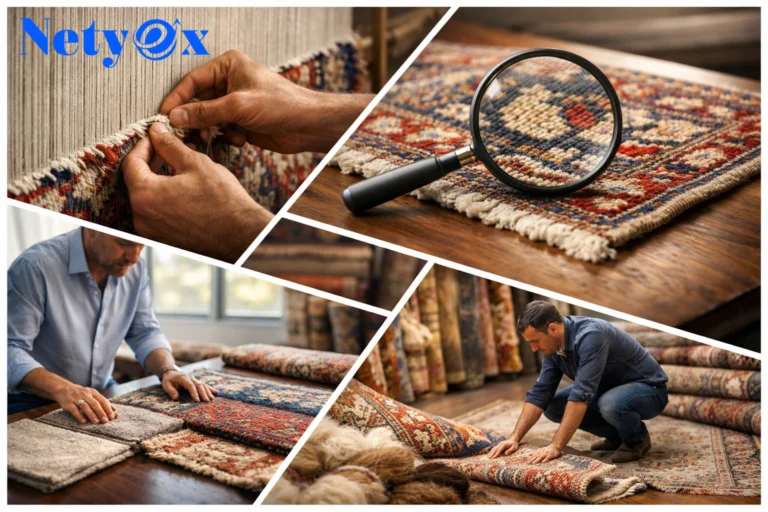
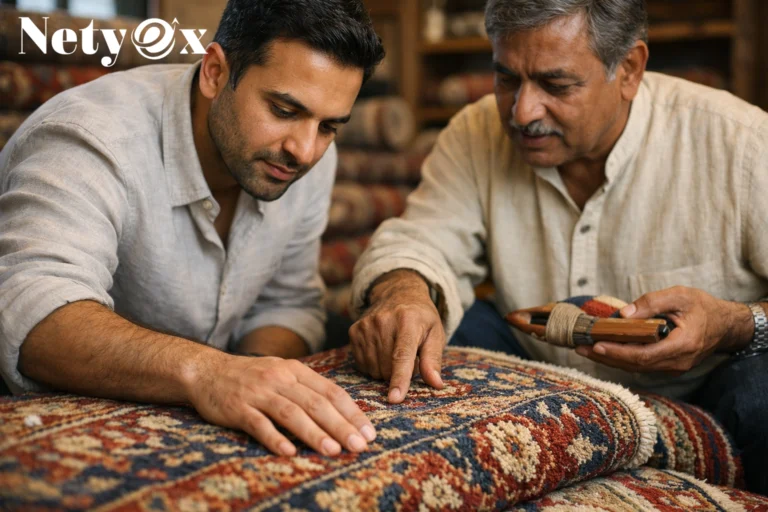
The hand-knotting technique is particularly impressive. In high-quality rugs, artisans tie thousands or even millions of knots to create a single design. This meticulous process ensures exceptional durability and a luxurious feel underfoot.
Because of this craftsmanship, Indian rugs are often considered investment pieces that increase the perceived value of any interior space.
Premium Materials Used in Indian Rugs
Another reason why Indian rugs elevate luxury interiors is the use of high-quality natural materials. These materials contribute to both aesthetics and comfort.
Common Materials Used
| Material | Luxury Appeal | Key Benefits |
|---|---|---|
| Wool | Soft texture and warmth | Durable and stain resistant |
| Silk | Elegant sheen | Extremely smooth and luxurious |
| Cotton | Lightweight and breathable | Ideal for base weaving |
| Bamboo Silk | Eco-friendly shine | Modern luxurious look |
Silk rugs, in particular, are highly prized in luxury design. Their natural sheen reflects light beautifully, making a room feel more refined and elegant.
Wool rugs are equally popular because they offer both durability and comfort, making them perfect for living rooms, bedrooms, and high-traffic spaces.
Intricate Designs That Transform Interiors
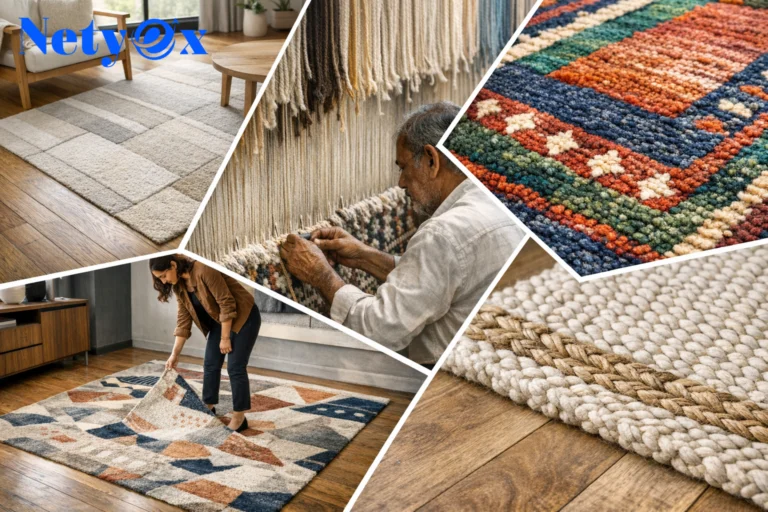
One of the most noticeable aspects of Indian rugs is their artistic design. The patterns range from traditional Persian-inspired motifs to contemporary abstract styles.
Popular Design Styles
- Floral Mughal motifs
- Geometric patterns
- Tribal-inspired designs
- Modern minimalist textures
- Vintage distressed styles
These designs allow Indian rugs to complement a wide variety of interior styles, including:
- Classic luxury interiors
- Modern minimalist homes
- Bohemian spaces
- Contemporary apartments
- Boutique hotels and resorts
Because of this versatility, designers often use Indian rugs as the centerpiece of a room, building the entire décor concept around the rug’s colors and patterns.
How Indian Rugs Create Visual Depth in Interior Design
Luxury spaces often feel layered and visually rich. Rugs play a major role in achieving this effect.
Indian rugs add depth in several ways:
- Color Contrast – Rugs highlight furniture and architectural elements.
- Texture Variation – Handwoven textures create warmth.
- Spatial Definition – Rugs separate areas within open floor plans.
- Visual Anchoring – They ground furniture arrangements.
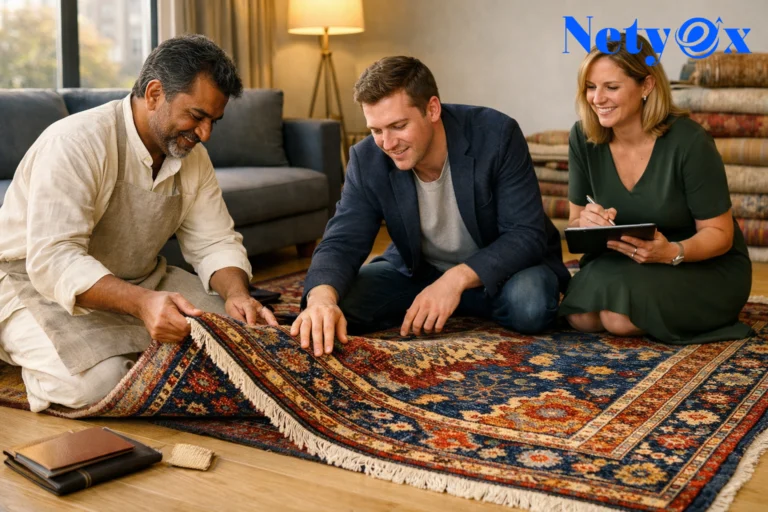
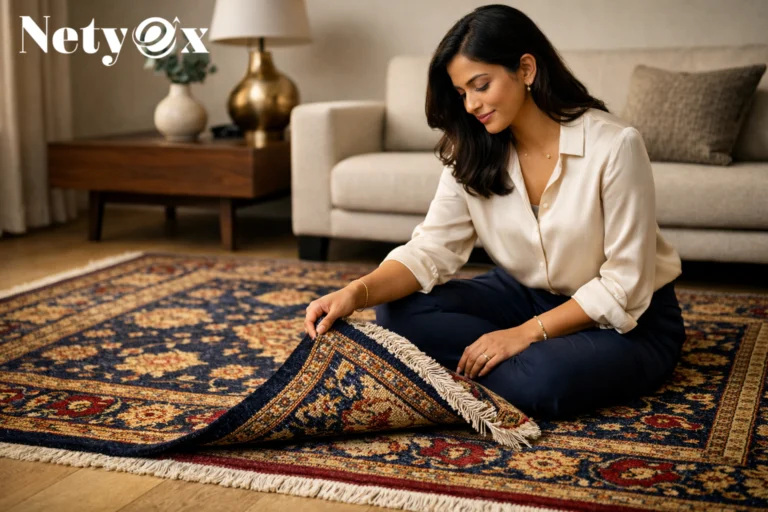
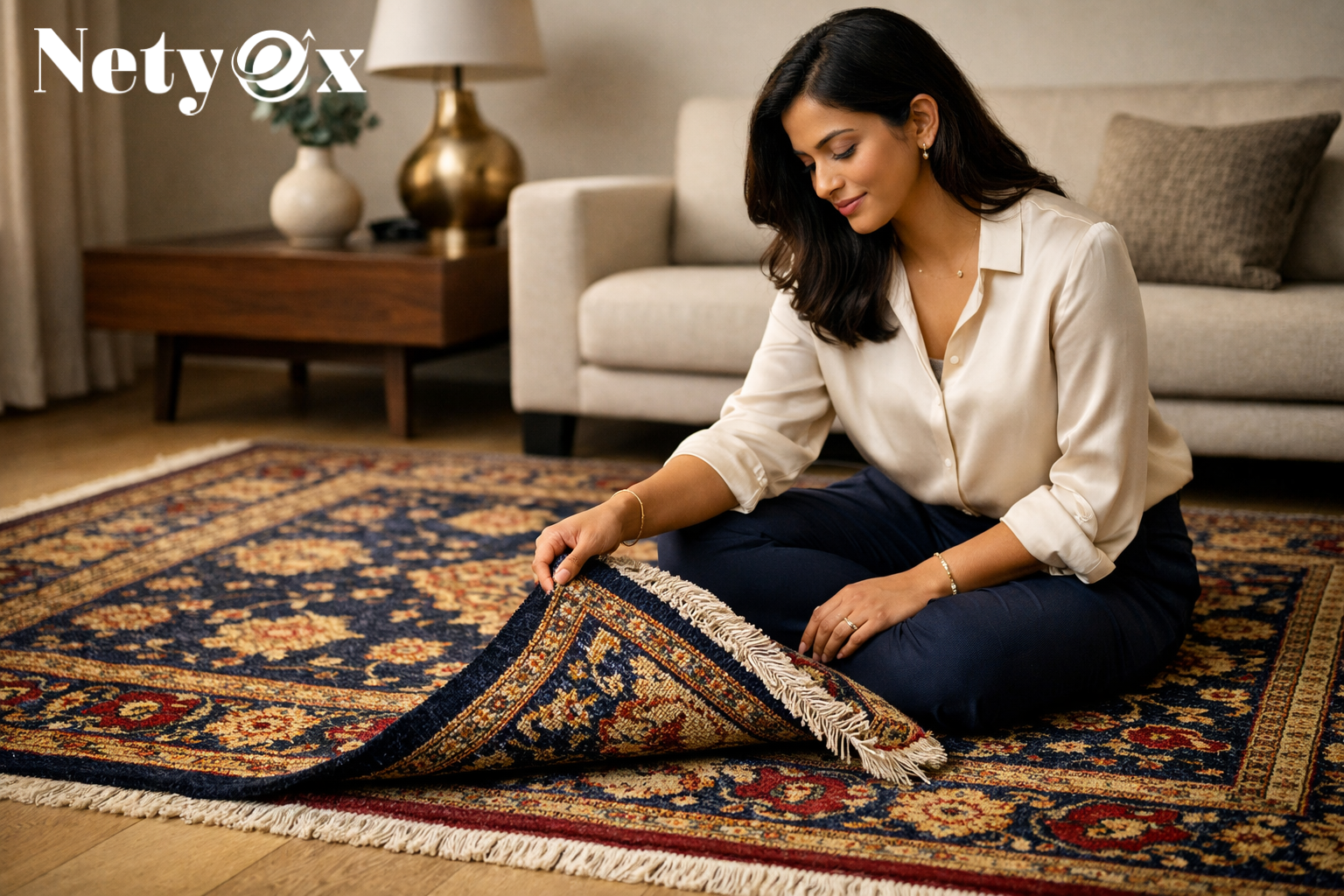
For example, a neutral living room can instantly become more luxurious by placing a vibrant hand-knotted rug beneath the seating area. The rug ties together furniture pieces and makes the space feel cohesive.
Interior designers frequently use rugs to define functional zones in open-plan layouts, such as separating dining areas from living spaces.
The Global Demand for Indian Rugs
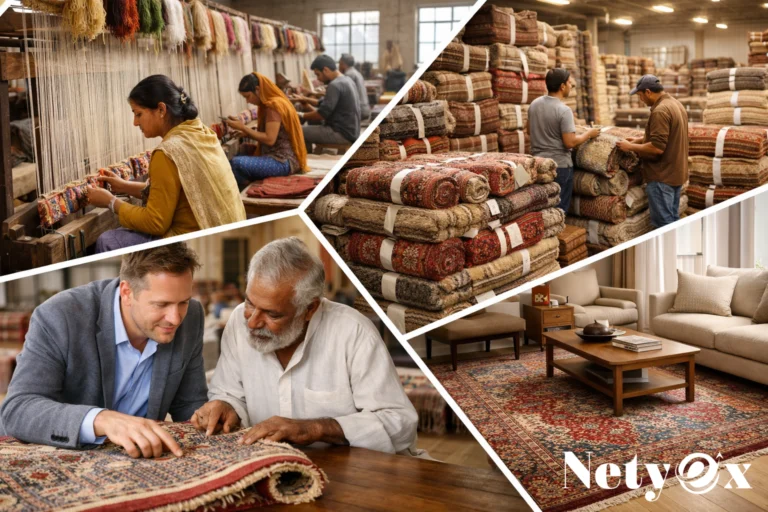
Indian rugs are exported to more than 70 countries, making India one of the world’s largest rug producers. Luxury designers, architects, and hospitality brands rely on Indian rug manufacturers for their projects.
Industries That Use Indian Rugs
- Luxury residential homes
- Five-star hotels
- Corporate offices
- Boutique resorts
- Designer showrooms
Global design trends have also influenced rug styles. Many Indian manufacturers now produce modern designs that cater to international markets while maintaining traditional craftsmanship.
This blend of heritage and modern design makes Indian rugs highly appealing in global interior design.
Sustainability and Ethical Craftsmanship
Luxury consumers today value sustainability. Many Indian rug manufacturers focus on eco-friendly production methods.
Sustainable Features of Indian Rugs
- Natural fibers like wool and cotton
- Vegetable-based dyes
- Handcrafted production with minimal machinery
- Ethical artisan employment
Organizations and initiatives support artisan communities by ensuring fair wages and safe working environments. This ethical approach adds another layer of value to Indian rugs.
For homeowners and designers who prioritize sustainability, Indian rugs offer a responsible yet luxurious choice.
Customization for High-End Interiors
Luxury interiors often require bespoke elements. Indian rug manufacturers are well known for offering custom rug solutions.
Customization Options
- Custom sizes
- Unique color palettes
- Personalized patterns
- Logo or branding designs
- Specific materials
This flexibility allows designers to create rugs that perfectly match a project’s concept. For example, a hotel lobby might require a large custom rug that complements its architecture and lighting design.
Custom Indian rugs ensure that every interior space feels unique and carefully curated.
Timeless Appeal That Never Goes Out of Style
Trends in furniture and décor change over time, but well-crafted rugs remain timeless. Indian rugs are designed with classic artistry that can last for generations.
Vintage Indian rugs often become even more valuable as they age. The colors soften, textures develop character, and the rug gains a beautiful patina.
Because of this longevity, many homeowners treat Indian rugs as heirloom pieces passed down through families.
Their timeless elegance ensures that they continue to enhance luxury interiors year after year.
Indian Rugs as Statement Pieces in Modern Design
Modern interior design often embraces minimalism. In such spaces, a statement rug can become the focal point of the room.
A bold Indian rug can transform a simple space by adding:
- Artistic character
- Warmth and texture
- Color accents
- Cultural depth
Designers frequently pair neutral furniture with vibrant rugs to create balance. This contrast highlights the rug while maintaining a sophisticated look.
Enhancing Comfort and Acoustics
Beyond aesthetics, Indian rugs also improve the comfort of interior spaces.
Functional Benefits
- Provide cushioning underfoot
- Reduce noise and echoes
- Add insulation during colder months
- Protect flooring surfaces
In large luxury homes or hotel lobbies, rugs help soften acoustics, making the environment feel quieter and more comfortable.
FAQs About How Indian Rugs Add Luxury Value to Global Interiors
1. Why are Indian rugs considered luxurious?
Indian rugs are handcrafted using traditional techniques, high-quality materials, and intricate designs. This combination creates unique pieces that elevate the elegance of any interior space.
2. Are Indian rugs durable enough for daily use?
Yes. Hand-knotted Indian rugs are extremely durable and can last for decades with proper care, making them ideal for both residential and commercial interiors.
3. What materials are commonly used in Indian rugs?
The most common materials include wool, silk, cotton, and bamboo silk. Each material offers different textures and visual appeal.
4. Can Indian rugs fit modern interior designs?
Absolutely. Many Indian rugs feature contemporary patterns and neutral color palettes that complement modern minimalist interiors.
5. Are Indian rugs environmentally friendly?
Many manufacturers use natural fibers and vegetable dyes, making Indian rugs a sustainable and eco-friendly option.
6. How do designers choose the right Indian rug for a room?
Designers consider factors such as room size, color palette, furniture style, and lighting to select a rug that enhances the overall design concept.
Conclusion
Understanding How Indian Rugs Add Luxury Value to Global Interiors reveals why these handcrafted masterpieces remain highly sought after in modern design. Their heritage craftsmanship, premium materials, intricate artistry, and timeless appeal make them far more than decorative pieces.
Indian rugs bring warmth, culture, and sophistication into any space. Whether placed in a modern apartment, a luxury villa, or a five-star hotel, they elevate interiors by adding depth, elegance, and authenticity.
As global design trends continue to evolve, Indian rugs remain a symbol of refined taste and enduring luxury—proving that true craftsmanship never goes out of style.