

Introduction: The Rising Global Appeal of Indian Giftware
In today’s global retail environment, customers are searching for products that tell stories, reflect culture, and promote sustainability. One category that perfectly matches these expectations is Indian giftware. From handcrafted décor pieces to artisanal home accessories, Indian giftware is increasingly finding space on international retail shelves.
The reason behind this growing popularity lies in how Indian giftware fits global retail trends. Retailers worldwide are moving toward products that emphasize authenticity, craftsmanship, sustainability, and cultural value. Indian giftware delivers all these elements while also offering variety, affordability, and artistic beauty.
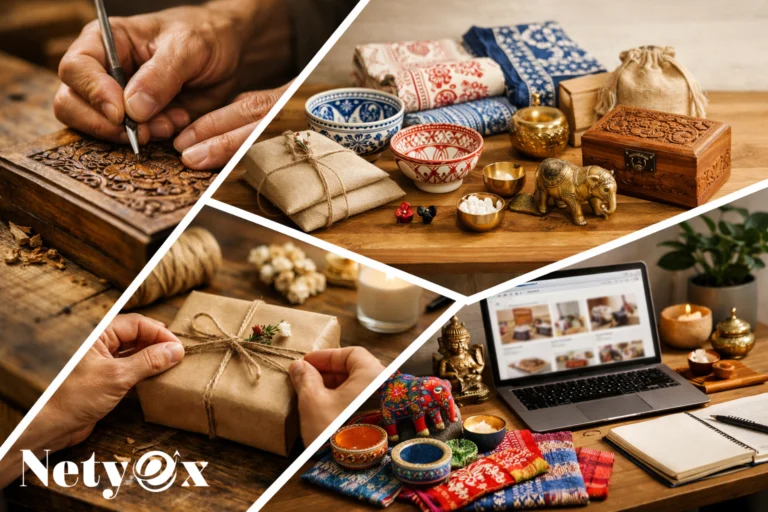
India has a long tradition of handicrafts and artisanal products. Skilled artisans have been producing decorative items, textiles, metalware, and wooden crafts for centuries. Today, these traditional products are evolving with modern design elements, making them suitable for contemporary homes and global consumers.
This article explores how Indian giftware fits global retail trends, why international buyers are increasingly choosing these products, and how retailers can benefit from adding Indian giftware to their product lines.
The Evolution of Global Retail Trends
Global retail has changed significantly over the past decade. Customers are no longer interested only in mass-produced products. Instead, they seek items that reflect values, identity, and sustainability.
Key Shifts in Consumer Preferences
Modern consumers prioritize:
- Authenticity and cultural connection
- Sustainable and eco-friendly materials
- Handcrafted and artisanal quality
- Unique products rather than mass production
- Ethical sourcing and fair trade
These shifts have created opportunities for products that combine tradition with modern aesthetics.
The Rise of Meaningful Gifting
Giftware has also evolved. Today, people prefer gifts that feel personal and meaningful rather than generic items. Handcrafted products, especially those rooted in cultural traditions, have gained strong appeal.
Indian giftware aligns perfectly with this movement because each product often carries a cultural story and artisan heritage.
India’s Rich Heritage of Handicrafts
India’s craft traditions are among the oldest in the world. Different regions specialize in unique forms of artistry, materials, and techniques.
Traditional Craftsmanship Across Regions
Some well-known Indian craft traditions include:
- Wood carving from Saharanpur
- Brass and metalware from Moradabad
- Marble inlay work from Rajasthan
- Textile embroidery from Gujarat
- Terracotta crafts from West Bengal
Each region contributes distinctive artistic styles, which makes Indian giftware incredibly diverse.
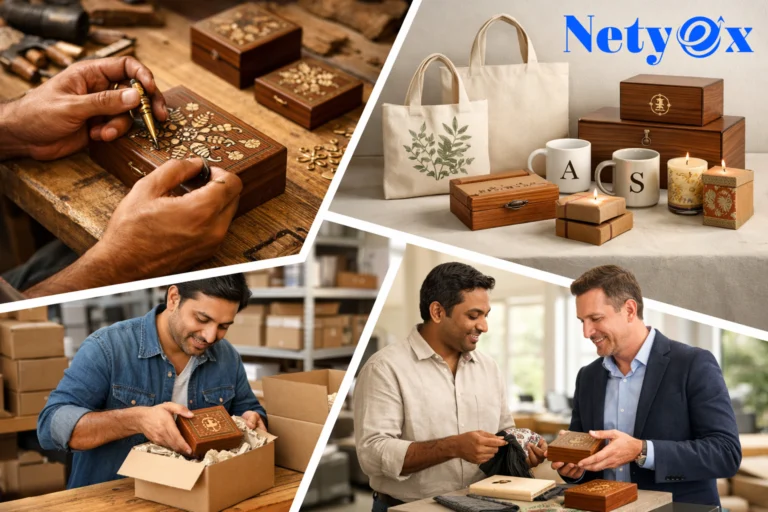
Generations of Skilled Artisans
Many crafts are passed down through families for generations. This continuity ensures that techniques remain authentic and deeply rooted in cultural traditions.
Retailers often value this heritage because it adds credibility and emotional connection to the products.
How Indian Giftware Fits Global Retail Trends
Understanding how Indian giftware fits global retail trends requires examining the key factors that make these products appealing in modern markets.
1. Authentic Handmade Products
Handmade items are gaining popularity worldwide. Consumers appreciate the time, skill, and creativity involved in crafting each product.
Indian giftware is largely handmade, which gives each piece a unique character that cannot be replicated by machines.
2. Cultural Storytelling
Products that carry cultural narratives attract modern shoppers. Indian giftware often reflects:
- Traditional motifs
- Mythological inspirations
- Cultural festivals
- Historical craftsmanship techniques
These elements transform ordinary objects into meaningful decorative pieces.
3. Sustainability and Eco-Friendly Materials
Sustainability is one of the strongest global retail trends.
Many Indian giftware products are made using:
- Reclaimed wood
- Natural dyes
- Clay and terracotta
- Recycled metals
- Organic textiles
These eco-friendly materials align with consumer demand for environmentally responsible products.
4. Ethical and Artisan-Driven Production
Customers increasingly care about who makes their products.
Indian giftware often supports:
- Local artisan communities
- Small family workshops
- Fair trade initiatives
This ethical aspect makes the products more attractive to socially conscious buyers.
5. Unique Aesthetic Appeal
Modern retail is filled with similar designs. Indian giftware offers something different.
Distinctive characteristics include:
- Intricate patterns
- Bold colors
- Traditional craftsmanship
- Decorative detailing
These features make the products stand out in retail displays.
Modern Design Meets Traditional Craft
One reason Indian giftware is thriving globally is the successful fusion of traditional techniques with modern design trends.
Adapting Crafts for Contemporary Homes
Designers and exporters are now adapting traditional crafts to suit modern tastes. Examples include:
- Minimalist brass décor
- Contemporary wooden wall art
- Modern candle holders inspired by traditional motifs
- Stylish marble coasters and trays
These products maintain their cultural identity while fitting seamlessly into modern homes.
Collaborations Between Designers and Artisans
Collaborations between designers and artisan communities have helped transform traditional crafts into global lifestyle products.
This partnership ensures that products remain culturally authentic while appealing to international consumers.
Popular Categories of Indian Giftware in Global Markets
Several categories of Indian giftware are particularly successful in global retail markets.
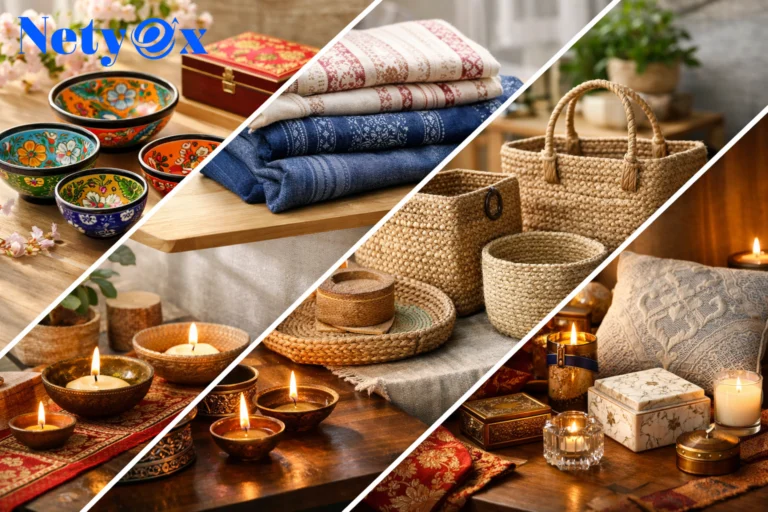
Home Décor Products
Decorative items remain one of the largest export segments.
Popular items include:
- Decorative bowls
- Sculptures and figurines
- Wall hangings
- Lanterns and candle holders
These products add warmth and personality to interior spaces.
Kitchen and Dining Accessories
Handcrafted kitchen accessories are gaining popularity among consumers who appreciate artisanal home goods.
Examples include:
- Wooden serving trays
- Marble coasters
- Brass utensils
- Decorative spice containers
These products combine functionality with beauty.
Festive and Seasonal Gifts
Indian giftware is also widely used during festivals and celebrations.
Products such as decorative lamps, ornaments, and themed gift sets often perform well in international holiday markets.
Lifestyle and Personal Accessories
Some Indian giftware items extend beyond décor and enter lifestyle categories.
Examples include:
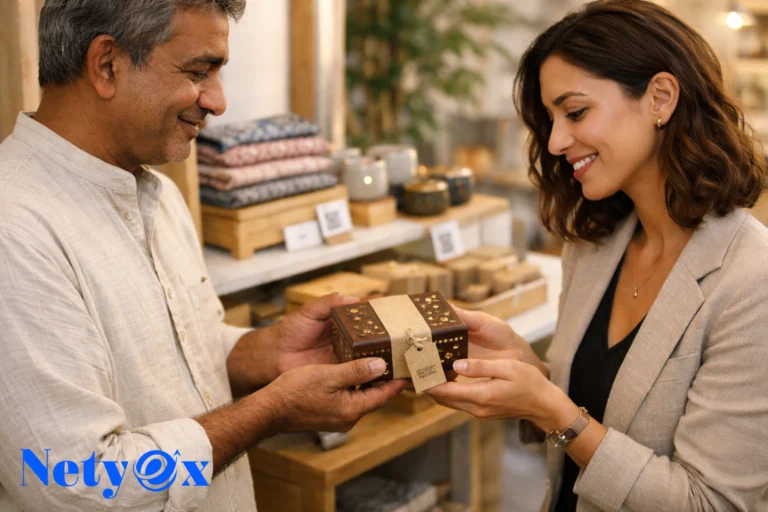
- Handmade jewelry boxes
- Decorative storage containers
- Handcrafted stationery items
These items appeal to consumers looking for thoughtful, unique gifts.
Why International Retailers Choose Indian Giftware
Retailers around the world are increasingly adding Indian giftware to their collections for several reasons.
Competitive Pricing with High Craft Value
Indian artisans offer products that combine skilled craftsmanship with competitive pricing. This balance allows retailers to maintain good profit margins while offering unique items.
Product Diversity
India produces a wide range of giftware styles and materials. Retailers can easily build varied product lines using Indian suppliers.
Customization Opportunities
Many manufacturers provide customization options such as:
- Private labeling
- Custom designs
- Personalized packaging
These services allow retailers to create exclusive product collections.
Challenges and Opportunities in the Indian Giftware Industry
Although the industry has significant growth potential, it also faces certain challenges.
Supply Chain and Logistics
Exporting handcrafted products can sometimes involve longer production timelines due to manual processes.
However, improvements in manufacturing and logistics are helping address these challenges.
Preserving Traditional Craft Skills
Some traditional crafts are declining because younger generations pursue different careers.
Supporting artisan communities through sustainable business practices can help preserve these valuable cultural skills.
Growing Global Demand
Despite challenges, global demand for handmade and culturally authentic products continues to rise. This trend creates strong opportunities for Indian giftware exporters.
How Retailers Can Successfully Sell Indian Giftware
Retailers can maximize the success of Indian giftware by focusing on effective marketing strategies.
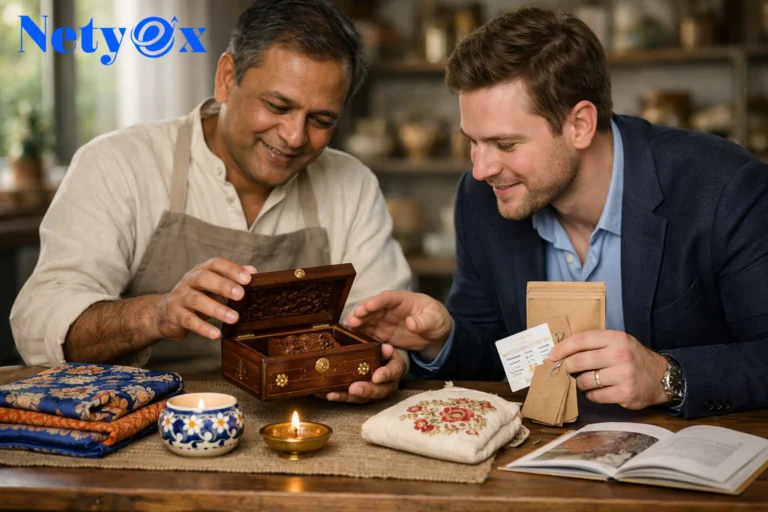
Highlight the Story Behind the Product
Customers appreciate knowing the story of a product. Retailers should emphasize:
- Artisan craftsmanship
- Cultural heritage
- Traditional techniques
Storytelling adds emotional value to the products.
Use Themed Collections
Retailers can create themed collections such as:
- Sustainable living décor
- Global artisan gifts
- Cultural heritage home accessories
These themes make it easier for customers to explore the product range.
Focus on Visual Merchandising
Indian giftware often features vibrant colors and intricate designs. Attractive store displays can significantly enhance its appeal.
Future Outlook for Indian Giftware in Global Retail
The future looks promising for Indian giftware in international markets.
Increasing Demand for Handcrafted Products
Consumers worldwide are moving away from mass-produced items toward handcrafted alternatives.
This shift benefits artisan-based industries like Indian giftware.
Growth of Ethical Consumerism
As ethical consumerism grows, products that support local communities and sustainable production will gain greater market share.
Indian giftware aligns perfectly with these values.
Digital Retail Expansion
Online marketplaces and global e-commerce platforms are making it easier for retailers to access Indian manufacturers and bring these products to international audiences.
Frequently Asked Questions
1. Why is Indian giftware popular internationally?
Indian giftware is popular because it combines traditional craftsmanship, unique designs, and cultural authenticity. These qualities align with modern consumer preferences for handmade and meaningful products.
2. What materials are commonly used in Indian giftware?
Common materials include wood, brass, marble, clay, glass, and natural textiles. Many products also use recycled or eco-friendly materials.
3. Is Indian giftware sustainable?
Many Indian giftware products are made using natural or recycled materials and handcrafted techniques, which often have lower environmental impact compared to mass manufacturing.
4. Which countries import Indian giftware the most?
Major markets include the United States, the United Kingdom, Germany, Australia, and several European countries.
5. How do retailers source Indian giftware?
Retailers typically work with exporters, manufacturers, or artisan cooperatives that specialize in handcrafted products.
6. What makes Indian giftware different from mass-produced décor?
Indian giftware often features handmade craftsmanship, cultural designs, and unique detailing, making each piece slightly different and more personalized.
Conclusion
Understanding how Indian giftware fits global retail trends reveals why these products are becoming increasingly popular in international markets. Consumers today want more than just decorative items—they seek authenticity, cultural connection, sustainability, and ethical production.
Indian giftware delivers all these qualities while offering remarkable craftsmanship and artistic diversity. From handcrafted home décor to artisanal lifestyle accessories, these products represent centuries of cultural tradition blended with modern design.
For global retailers, incorporating Indian giftware into their collections provides an opportunity to meet evolving consumer demands while supporting artisan communities. As global retail continues to embrace meaningful, sustainable, and culturally rich products, Indian giftware is likely to remain an important part of the international marketplace.