

Introduction: The Growing Global Appeal of Indian Fashion
Fashion today is no longer confined by geographical borders. Styles travel quickly across continents through digital media, international fashion shows, and cultural exchange. One of the most influential contributors to this evolving global fashion scene is Indian fashion. The topic How Indian Fashion Complements Global Lifestyle Trends has become increasingly relevant as designers, influencers, and global brands embrace traditional Indian elements in modern wardrobes.
Indian fashion blends centuries-old craftsmanship with modern creativity. From handwoven fabrics to intricate embroidery, it carries deep cultural heritage while adapting to contemporary lifestyles. Around the world, people are seeking fashion that reflects individuality, sustainability, and cultural diversity. Indian fashion naturally aligns with these preferences.
The global fashion industry is also shifting toward ethical production, artisanal craftsmanship, and meaningful storytelling behind clothing. Many Indian fashion traditions—such as handloom weaving, natural dyeing, and handcrafted textiles—perfectly match these values.
Furthermore, modern Indian designers are successfully merging tradition with innovation. Outfits such as saree gowns, Indo-western dresses, embroidered jackets, and fusion wear are now widely seen on international runways and red carpets.
Understanding How Indian Fashion Complements Global Lifestyle Trends reveals how cultural identity, sustainability, comfort, and versatility can shape the future of global style. As we explore this topic further, it becomes clear that Indian fashion is not just influencing global trends—it is helping redefine them.
The Cultural Richness of Indian Fashion
Indian fashion is deeply rooted in cultural traditions that date back thousands of years. Every region in India has its own textiles, embroidery styles, and clothing designs that represent local history and identity.
For example, handwoven silk sarees, colorful bandhani prints, and detailed zari embroidery all represent different parts of the country. These styles are more than clothing—they tell stories of heritage, craftsmanship, and community traditions.
Global audiences are increasingly drawn to fashion that carries meaning and authenticity. Instead of mass-produced clothing, many people prefer garments that reflect cultural depth. Indian fashion offers exactly that.
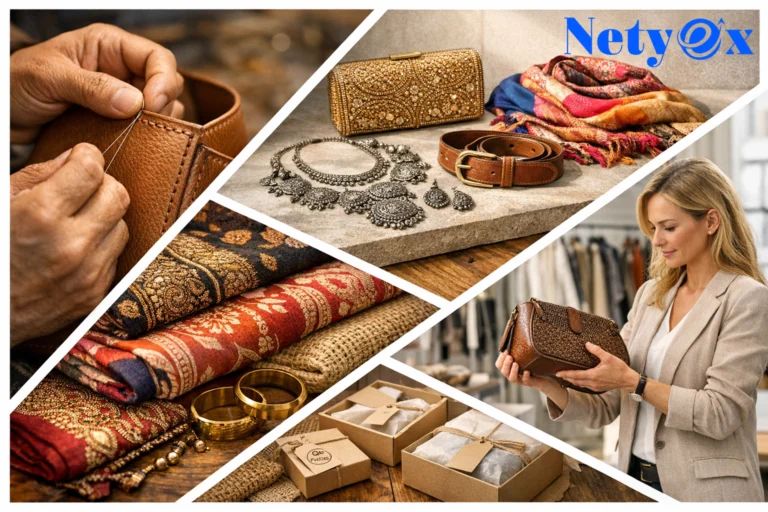
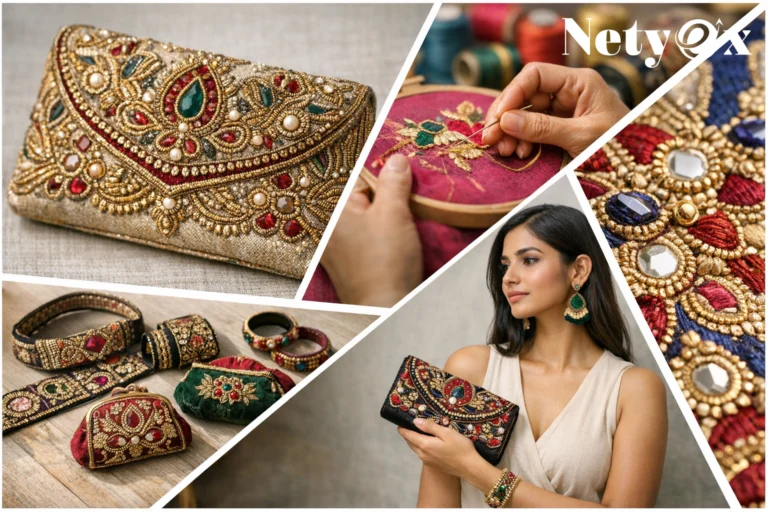
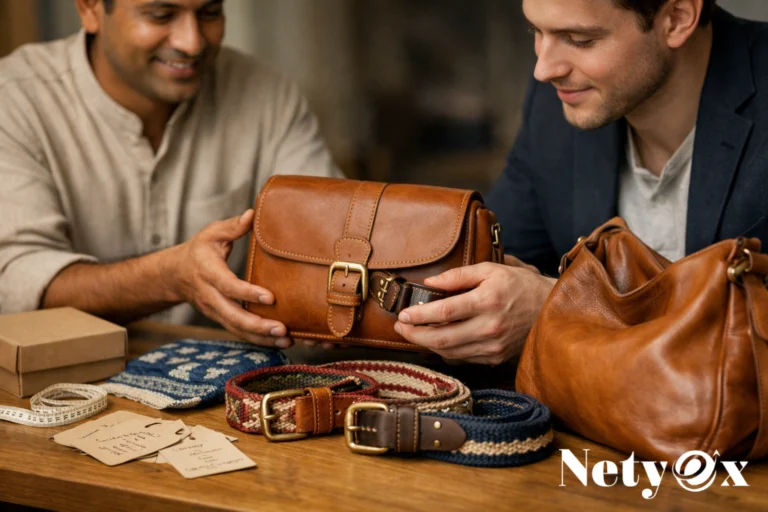
Another reason Indian fashion resonates globally is its strong emphasis on craftsmanship. Many garments are handmade by skilled artisans who spend days or even weeks creating intricate patterns and designs. This human touch adds value that cannot be replicated by machine production.
As global lifestyles shift toward appreciation of cultural diversity, Indian fashion naturally becomes a powerful symbol of tradition meeting modern creativity.
Fusion Fashion: Blending Indian and Western Styles
One of the biggest reasons Indian fashion fits well with global lifestyle trends is its ability to blend with Western fashion seamlessly. Fusion fashion has become extremely popular worldwide.
Indo-western outfits combine traditional Indian elements with modern silhouettes. For instance:
- Sarees paired with crop tops or jackets
- Kurtas styled with jeans
- Lehenga skirts worn with modern blouses
- Embroidered Indian jackets over Western outfits
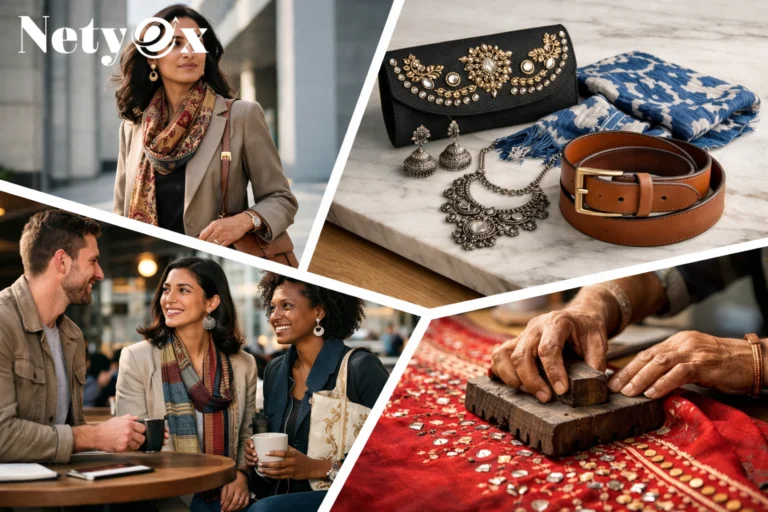
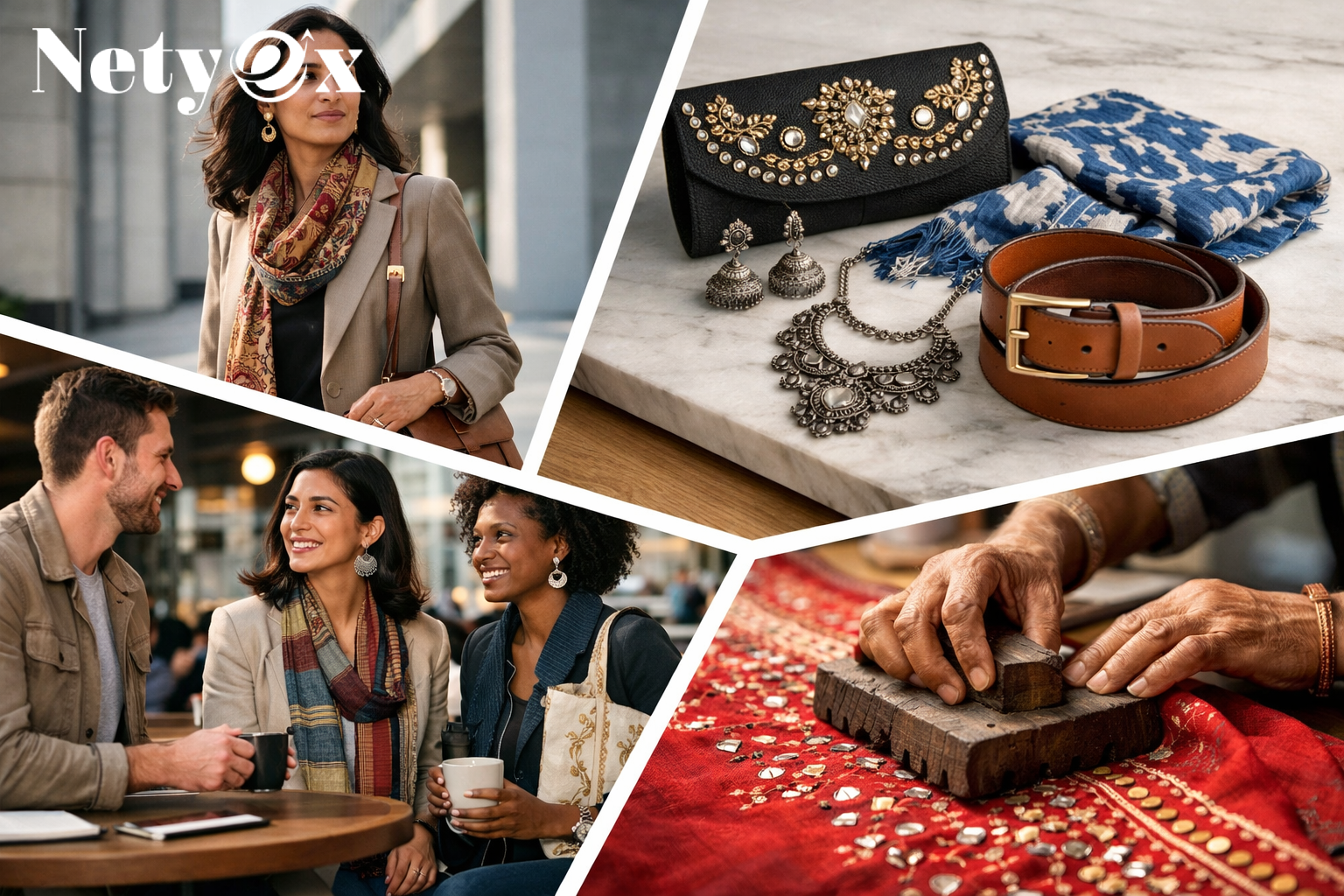
This combination creates a unique balance between elegance and comfort. Fusion fashion allows individuals to express cultural identity while staying aligned with modern global style.
Many international designers have also started incorporating Indian textiles, embroidery, and silhouettes into their collections. This has helped Indian fashion gain recognition beyond traditional occasions.
Fusion fashion proves that style does not have to be limited to one culture. Instead, it can be a creative dialogue between traditions.
Sustainability: A Natural Strength of Indian Fashion
Sustainability has become one of the most important global lifestyle trends. Consumers today want fashion that is environmentally responsible and ethically produced.
Interestingly, Indian fashion has long practiced sustainable methods. Many traditional textiles are made using natural materials and eco-friendly processes.
Common sustainable practices in Indian fashion include:
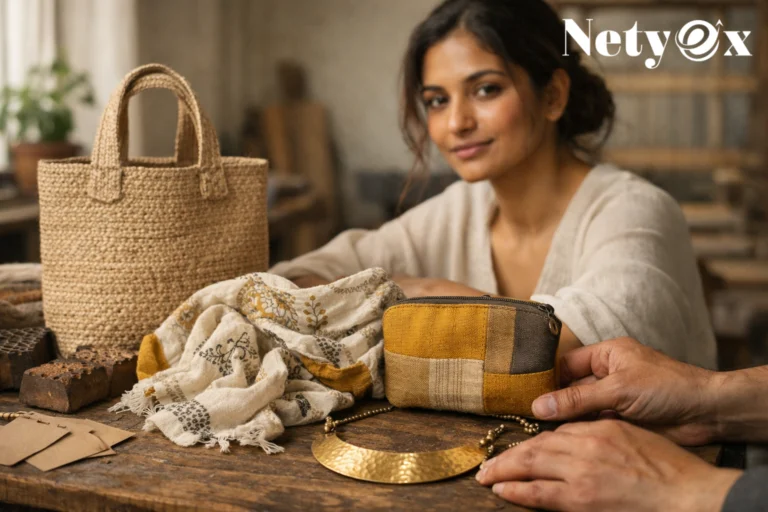
- Handloom weaving instead of machine production
- Natural plant-based dyes
- Organic cotton fabrics
- Slow fashion craftsmanship
These techniques reduce environmental impact while preserving traditional skills.
Handmade clothing also lasts longer than mass-produced garments. This aligns perfectly with the slow fashion movement that encourages buying fewer but higher-quality pieces.
As sustainability continues to influence global fashion choices, Indian textiles and craftsmanship are gaining even greater importance.
Comfort and Versatility in Indian Clothing
Global lifestyles today prioritize comfort, flexibility, and practicality. People want clothing that can adapt to different situations—work, travel, casual outings, and social events.
Indian fashion offers many versatile garments that fit this lifestyle perfectly.
For example:
- Kurta sets can be worn casually or formally depending on styling.
- Palazzo pants provide comfort while maintaining elegance.
- Dupattas add styling variety to simple outfits.
- Anarkali dresses combine traditional design with modern flowy silhouettes.
Loose-fitting garments and breathable fabrics make Indian clothing comfortable for various climates and occasions.
As work environments become more flexible and global travel increases, adaptable fashion becomes essential. Indian fashion naturally supports this lifestyle.
Influence of Indian Textiles on Global Runways
Indian textiles have made a significant impact on international fashion shows. Designers around the world admire the complexity and beauty of Indian fabrics.
Popular textiles include:
- Silk brocades
- Chanderi fabrics
- Khadi handspun cotton
- Banarasi weaves
- Ikat patterns
These fabrics add texture, depth, and artistry to modern designs.
Many global designers collaborate with Indian artisans to incorporate traditional weaving techniques into contemporary fashion collections.
This collaboration not only celebrates craftsmanship but also introduces Indian textile heritage to new audiences worldwide.
Indian Fashion in Celebrity and Pop Culture
Celebrities and influencers have played a major role in bringing Indian fashion into global pop culture.
International actors, musicians, and fashion icons frequently wear Indian-inspired outfits at award shows, cultural events, and fashion weeks. Embroidered gowns, saree-inspired dresses, and traditional jewelry have appeared on some of the world’s biggest stages.
Social media has also accelerated this trend. Influencers regularly showcase fusion outfits that mix Indian garments with global fashion aesthetics.
This visibility helps younger audiences appreciate the elegance and versatility of Indian fashion.
The Role of Modern Indian Designers
Modern Indian designers have successfully positioned Indian fashion on the global stage. They experiment with traditional fabrics while introducing modern silhouettes and innovative designs.
Their work demonstrates how heritage can evolve without losing authenticity.
Designers often focus on:
- Minimalist interpretations of traditional outfits
- Contemporary bridal fashion
- Sustainable clothing collections
- Indo-western evening wear
This modern approach helps Indian fashion remain relevant in global markets.
By balancing tradition and innovation, designers ensure that Indian fashion continues to influence international style trends.
Indian Accessories Enhancing Global Style
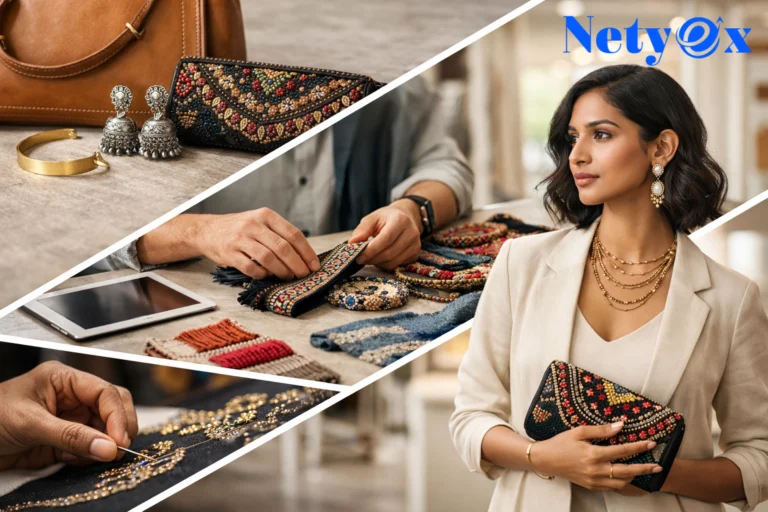
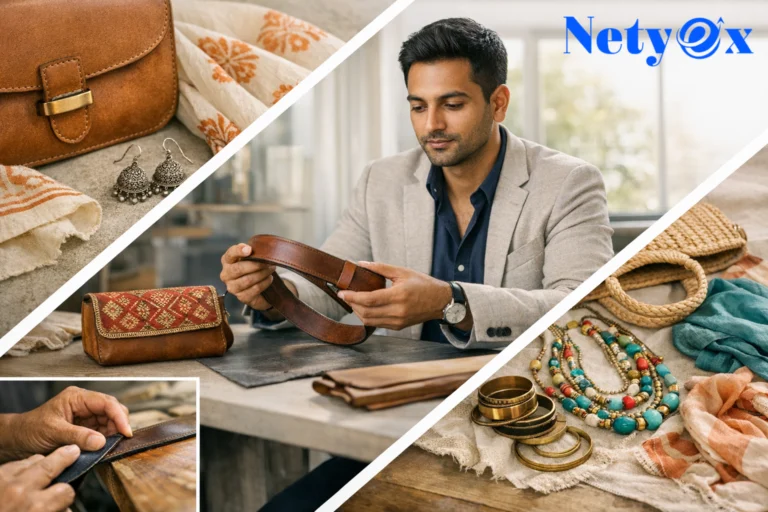
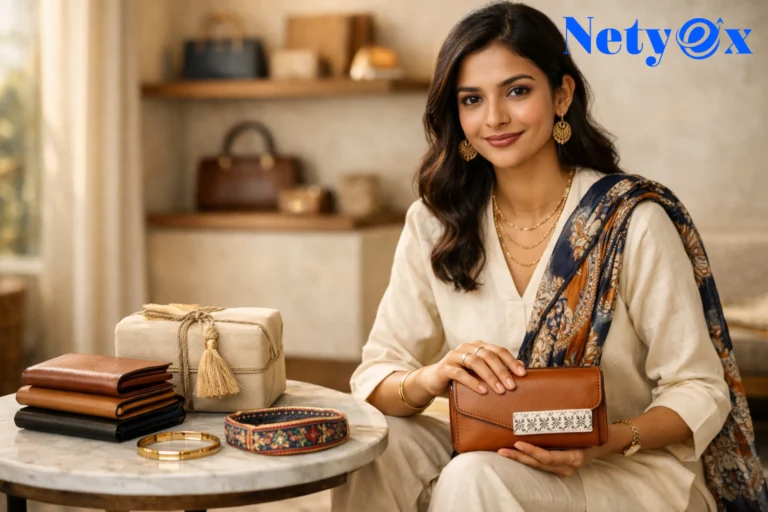
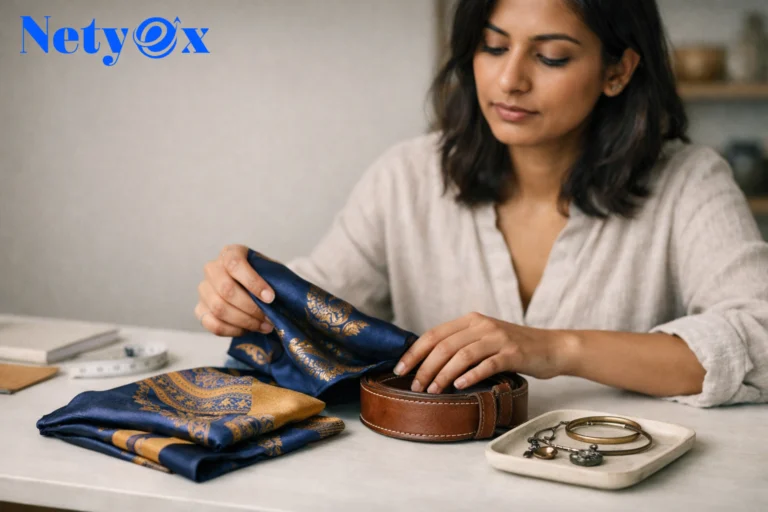
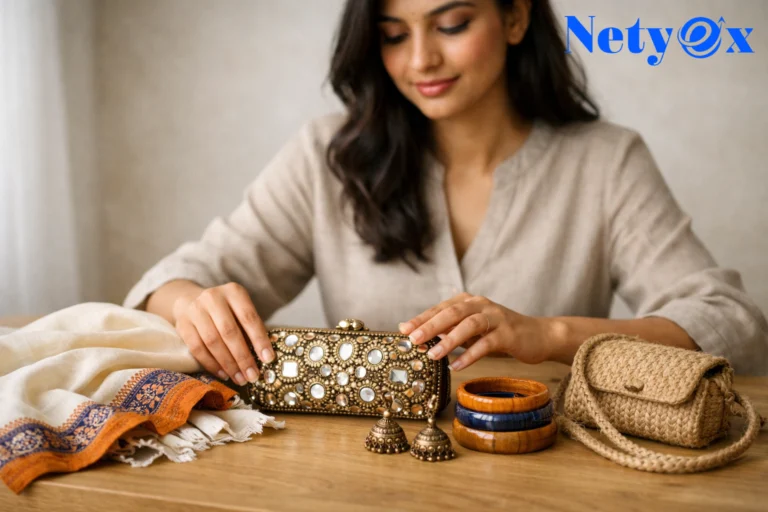
Accessories play an important role in completing any outfit, and Indian fashion offers a wide variety of unique accessories.
Some globally admired accessories include:
- Statement earrings
- Handcrafted bangles
- Embroidered handbags
- Silk scarves
- Decorative belts
These accessories can easily be paired with Western outfits, adding a touch of cultural richness.
For example, a simple dress can be transformed with traditional jewelry or a colorful embroidered bag.
This versatility makes Indian accessories popular among global fashion enthusiasts.
Digital Media and Global Fashion Exchange
Technology and social media platforms have accelerated cultural fashion exchange. Designers, influencers, and fashion lovers from different countries can now share ideas instantly.
Indian fashion brands use digital platforms to reach international audiences. Online fashion shows, virtual boutiques, and global e-commerce platforms allow customers worldwide to explore Indian designs.
As digital communication connects cultures more closely, fashion becomes a shared global language.
Indian fashion’s rich visual appeal makes it particularly well suited for digital storytelling and social media platforms.
Indian Fashion and the Rise of Cultural Appreciation
Another important trend in global lifestyle choices is cultural appreciation. People want to learn about the history and meaning behind clothing styles.
Indian fashion offers deep storytelling through its fabrics, colors, and designs. Each embroidery style, textile pattern, or garment silhouette often represents a region or community.
For example, wedding attire, festival clothing, and everyday garments all carry symbolic meaning.
When people wear such clothing, they participate in a cultural narrative that extends beyond fashion.
This storytelling aspect makes Indian fashion especially meaningful in today’s global cultural landscape.
Global Festivals and the Spread of Indian Fashion
International cultural festivals and fashion events also help spread Indian fashion across the world.
Events celebrating art, music, and culture often feature traditional clothing. Visitors experience Indian textiles, jewelry, and garments firsthand.
Fashion exhibitions and cultural showcases further introduce global audiences to Indian design traditions.
These events create appreciation and curiosity, encouraging people from different backgrounds to incorporate Indian elements into their own style.
The Future of Indian Fashion in Global Lifestyle Trends
Looking ahead, Indian fashion is expected to play an even bigger role in global style trends.
Several factors will drive this growth:
- Increasing global interest in sustainable fashion
- Growing appreciation for cultural diversity
- Expansion of digital fashion platforms
- International collaborations between designers
Younger generations are particularly open to experimenting with cross-cultural styles. This openness creates opportunities for Indian fashion to evolve while maintaining its heritage.
The balance between tradition and innovation will continue to define its global influence.
Frequently Asked Questions (FAQs)
1. Why is Indian fashion becoming popular worldwide?
Indian fashion is gaining global popularity because of its rich cultural heritage, intricate craftsmanship, and sustainable production methods. People are increasingly attracted to fashion that tells a story and reflects authenticity.
2. What makes Indian textiles unique?
Indian textiles are unique because they are often handmade using traditional weaving techniques passed down through generations. Each region in India produces distinct fabrics with different textures, colors, and patterns.
3. How does Indian fashion support sustainability?
Many Indian fashion traditions use natural fibers, eco-friendly dyes, and handloom weaving. These practices reduce environmental impact and promote ethical production.
4. What is Indo-western fashion?
Indo-western fashion is a fusion style that combines Indian traditional garments with Western clothing elements. Examples include wearing kurtas with jeans or sarees styled with modern blouses.
5. Can Indian fashion be worn in everyday life?
Yes. Many Indian garments such as kurtas, palazzo pants, and scarves are comfortable and versatile enough for everyday wear.
6. How are global designers influenced by Indian fashion?
Global designers often incorporate Indian fabrics, embroidery, and craftsmanship into their collections. Collaborations with Indian artisans are also becoming more common.
Conclusion
Understanding How Indian Fashion Complements Global Lifestyle Trends reveals how deeply interconnected modern fashion has become. Indian fashion’s combination of cultural richness, sustainability, versatility, and craftsmanship perfectly aligns with evolving global values.
As the world embraces cultural diversity and ethical fashion practices, Indian fashion offers timeless inspiration. Its ability to blend tradition with modern creativity ensures that it remains relevant in an ever-changing global fashion landscape.
Rather than simply following trends, Indian fashion continues to shape them—bringing heritage, artistry, and sustainability into the future of global style.