


Introduction: The Rising Global Demand for Durable Home Utility Products
In today’s modern households, durable home utility products play a vital role in daily life. Items such as kitchenware, storage containers, cleaning tools, home organizers, and bathroom accessories are used every day and must last long. As global demand for these products continues to grow, many countries look toward reliable manufacturing hubs to meet supply needs.
One country that has steadily emerged as a major supplier is India. Known for its diverse manufacturing ecosystem, skilled workforce, and competitive production costs, India supplies durable home utility products to markets across the world.
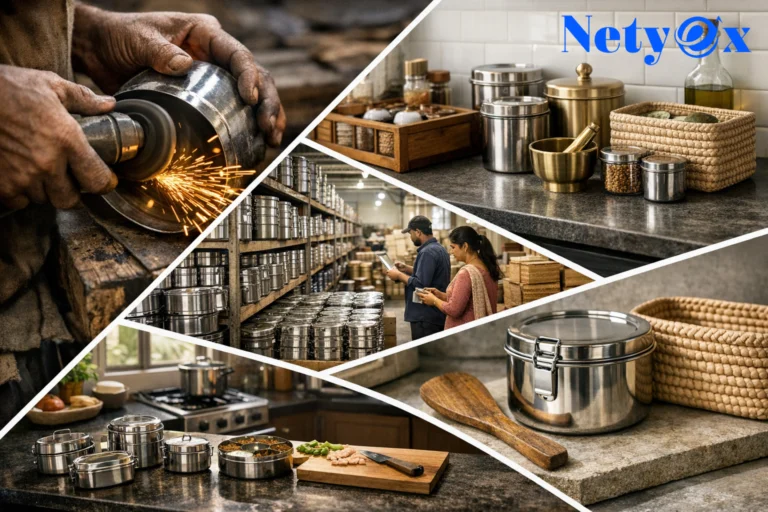
From stainless steel kitchen utensils to plastic household containers and eco-friendly cleaning tools, Indian manufacturers produce a wide range of products that combine durability, affordability, and functionality. Over the past decade, improvements in manufacturing technology, export policies, and quality standards have further strengthened India’s position in global supply chains.
This article explores how India supplies durable home utility products, the factors behind its success, the industries involved, and why global buyers increasingly rely on Indian manufacturers.
Overview of India’s Home Utility Products Industry
India’s home utility manufacturing sector is one of the largest segments of the country’s consumer goods industry. The sector includes manufacturers producing products used in kitchens, bathrooms, laundry rooms, and household storage spaces.
Major Product Categories
The industry produces a wide variety of household products, including:
- Stainless steel kitchenware
- Plastic storage containers
- Cleaning tools and mops
- Bathroom accessories
- Household organizers
- Laundry baskets
- Food storage boxes
- Home utility racks
- Dustbins and waste management tools
These products are widely used both domestically and internationally.
Domestic and Export Markets
India not only serves its large domestic population but also exports durable home utility products to regions such as:
- North America
- Europe
- Middle East
- Africa
- Southeast Asia
- Australia
The combination of affordability and quality makes Indian products competitive in global markets.
Key Manufacturing Hubs for Home Utility Products in India
India’s manufacturing ecosystem is spread across several states, each specializing in different types of home utility products.
1. Gujarat
Gujarat is a major hub for plastic home utility products and household storage containers. The state benefits from strong petrochemical industries that supply raw materials.
2. Maharashtra
Maharashtra hosts many medium and large-scale manufacturing units producing kitchenware, stainless steel products, and household tools.
3. Tamil Nadu
Tamil Nadu has a well-established industrial base that supports the production of home organizers, cleaning tools, and plastic household items.
4. Uttar Pradesh
This state is known for metal utensils, cookware, and traditional kitchen tools widely exported across Asia and Africa.
5. Punjab
Punjab contributes significantly to stainless steel household goods and kitchen utensils.
These hubs create an interconnected manufacturing network that supports large-scale production.
Strong Raw Material Supply Chain
One of the biggest reasons India successfully supplies durable home utility products is its strong raw material ecosystem.
Common Materials Used
Manufacturers rely on several materials such as:
- Stainless steel
- Plastic polymers
- Aluminum
- Rubber
- Bamboo
- Wood
- Silicone
India has strong domestic production of many of these materials, which reduces dependency on imports and lowers production costs.
Advantages of Local Material Availability
Local sourcing offers several benefits:
- Lower transportation costs
- Faster production cycles
- Stable pricing
- Consistent supply
This makes Indian manufacturers highly competitive in international markets.
Skilled Workforce and Traditional Craftsmanship
Another important factor behind India’s success is its large and skilled workforce.
Industrial Skills
Workers in India are experienced in:
- Metal shaping
- Plastic molding
- Tool manufacturing
- Assembly processes
- Quality inspection
These skills allow factories to produce high-quality durable products efficiently.
Blend of Traditional and Modern Techniques
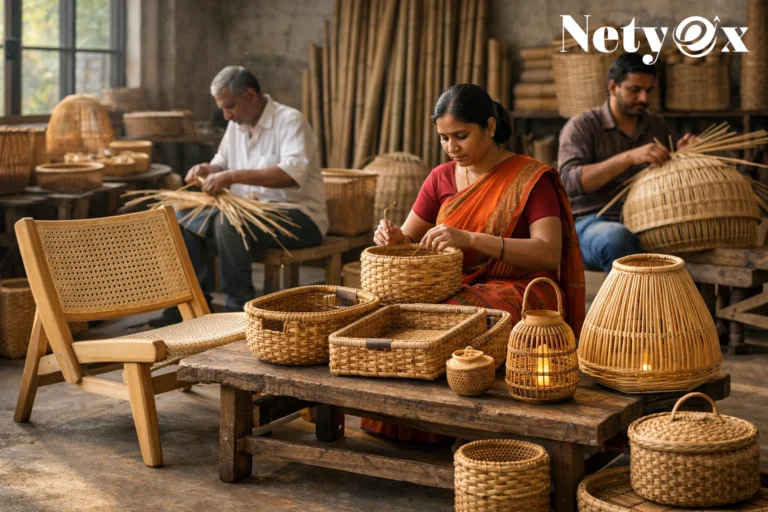
In some sectors like metal utensils and bamboo utilities, traditional craftsmanship still plays a role. When combined with modern manufacturing equipment, it creates unique and durable products that stand out in the market.
Cost-Effective Production and Competitive Pricing
One of the main reasons international buyers source from India is cost efficiency.
Lower Production Costs
Compared to many Western countries, India offers:
- Lower labor costs
- Affordable industrial land
- Cost-effective raw materials
- Competitive energy prices
These factors allow manufacturers to produce durable home utility products at competitive prices.
High Value for Money
Indian products often deliver:
- Long lifespan
- Strong materials
- Functional design
- Affordable pricing
This balance makes them attractive for both wholesalers and retail brands.
Growing Adoption of Modern Manufacturing Technology
Over the last decade, many Indian factories have adopted advanced manufacturing technologies to improve quality and productivity.
Modern Equipment Used
Factories now use technologies such as:
- Injection molding machines
- CNC metal cutting machines
- Automated assembly lines
- Laser cutting equipment
- High-speed polishing and finishing systems
These machines ensure consistent product quality and faster production.
Improved Product Design
Modern tools also allow manufacturers to create:
- Ergonomic designs
- Lightweight structures
- Space-saving products
- Multi-purpose household tools
This innovation helps Indian products compete with global brands.
Quality Standards and Compliance for Global Markets
To export durable home utility products internationally, manufacturers must meet strict quality standards.
Common Certifications
Many Indian manufacturers comply with:
- ISO quality management standards
- Food-grade material certifications
- Environmental safety regulations
- Product durability testing standards
These certifications ensure that products meet international safety and performance requirements.
Quality Control Processes
Factories implement quality checks such as:
- Raw material inspection
- Production line monitoring
- Stress testing
- Packaging quality inspection
These measures ensure long-lasting products for global customers.
Strong Export Infrastructure and Logistics Network
India’s ability to supply durable home utility products globally also depends on its strong logistics infrastructure.
Major Export Ports
Key ports supporting exports include:
- Mumbai
- Mundra
- Chennai
- Kolkata
- Visakhapatnam
These ports handle large shipments of household products to international buyers.
Efficient Shipping and Distribution
Exporters typically work with:
- Freight forwarders
- Global shipping companies
- Warehouse operators
- International distributors
This system ensures products reach global markets efficiently.
Rise of Small and Medium Enterprises (SMEs)
Small and medium enterprises play a major role in India’s home utility manufacturing sector.
Contribution of SMEs
Thousands of SMEs manufacture household products such as:
- Plastic containers
- Kitchen racks
- Cleaning brushes
- Dustpans
- Storage baskets
These businesses collectively produce a large portion of India’s exports.
Advantages of SMEs
SMEs provide:
- Flexible manufacturing
- Customized product designs
- Small batch production
- Competitive pricing
This flexibility attracts international buyers looking for unique product lines.
Innovation and Eco-Friendly Product Development
As global consumers become more environmentally conscious, Indian manufacturers are increasingly focusing on sustainable products.
Eco-Friendly Materials
Some companies now produce home utility products using:
- Bamboo
- Recycled plastics
- Biodegradable materials
- Natural fibers
Sustainable Manufacturing Practices
Efforts include:
- Reducing plastic waste
- Energy-efficient manufacturing
- Water conservation
- Recyclable packaging
These initiatives make Indian products appealing in eco-conscious markets.
Government Support and Export Promotion
Government initiatives also support the growth of the home utility manufacturing sector.
Manufacturing Promotion Policies
Programs aimed at boosting manufacturing include:
- Industrial development schemes
- Export promotion incentives
- Infrastructure improvements
- Startup support programs
Support for Exporters
Exporters benefit from:
- Trade fairs
- international exhibitions
- export financing support
- logistics assistance
These initiatives help Indian manufacturers expand into new markets.
Challenges Faced by the Industry
Despite its success, the industry faces several challenges.
Raw Material Price Fluctuations
Changes in prices of metals and plastics can affect production costs.
Competition from Other Countries
Countries like China and Vietnam also produce household utility products at competitive prices.
Supply Chain Disruptions
Global shipping disruptions and logistics delays can impact export schedules.
However, many manufacturers are addressing these challenges by improving efficiency and diversifying supply chains.
Future Growth Opportunities for Indian Manufacturers
The global market for household utility products continues to expand.
Increasing Urbanization
Growing urban populations increase demand for organized living spaces and home utility tools.
Rising E-commerce Sales
Online marketplaces have made it easier for Indian manufacturers to sell products internationally.
Demand for Smart Home Utilities
Innovations such as modular storage systems and multifunctional tools offer new opportunities.
These trends are expected to further strengthen India’s role in the global home utility supply chain.
Frequently Asked Questions (FAQs)
1. Why is India known for supplying durable home utility products?
India has a strong manufacturing base, skilled labor, affordable production costs, and access to raw materials, which allows it to produce durable household products efficiently.
2. What types of home utility products are commonly exported from India?
Common exports include kitchen utensils, plastic storage containers, cleaning tools, bathroom accessories, dustbins, and household organizers.
3. Are Indian home utility products good quality?
Yes. Many manufacturers follow international quality standards and use durable materials such as stainless steel, food-grade plastic, and aluminum.
4. Which countries import home utility products from India?
Major importers include the United States, United Kingdom, United Arab Emirates, Australia, and several European countries.
5. How do Indian manufacturers keep prices competitive?
They benefit from lower labor costs, local raw material availability, and efficient manufacturing processes.
6. Are eco-friendly home utility products produced in India?
Yes. Many manufacturers are now producing products made from bamboo, recycled plastic, and biodegradable materials.
Conclusion
India has become a reliable global supplier of durable home utility products thanks to its strong manufacturing infrastructure, skilled workforce, competitive pricing, and expanding export network. With a wide range of products serving kitchens, bathrooms, and household storage needs, Indian manufacturers have built a reputation for quality and affordability.
As technology adoption increases and sustainability becomes a priority, India’s home utility industry is likely to grow even further. With continued innovation, improved logistics, and supportive government policies, the country is well positioned to remain a major global supplier of durable household products for years to come.