


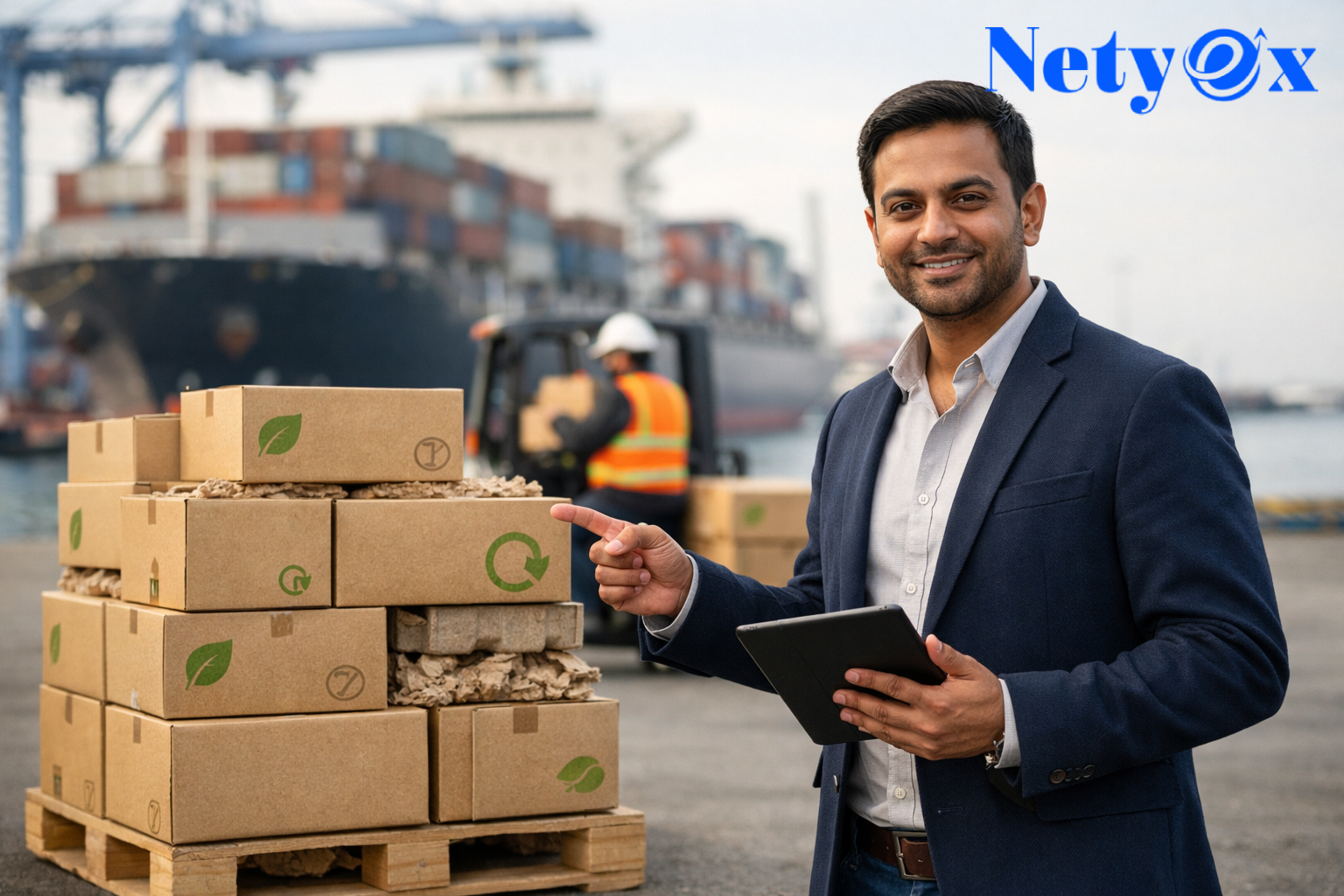
Understanding Carbon-Neutral Shipping
Carbon-neutral shipping involves measuring total carbon emissions from logistics operations and then reducing or offsetting them to reach net-zero emissions.
The main sources of emissions in export shipping include:
- Ocean freight fuel consumption
- Air cargo emissions
- Truck and rail transport
- Warehouse energy usage
- Packaging materials
To achieve neutrality, exporters must focus on both reduction strategies and offset initiatives.
Why Carbon-Neutral Shipping Matters for Exporters
Carbon-neutral logistics isn’t just about environmental responsibility—it directly impacts business growth.
Regulatory Compliance
Many countries are tightening emission standards and introducing carbon taxes. Exporters who reduce emissions early avoid future penalties and compliance challenges.
Competitive Advantage
International buyers increasingly prefer suppliers with sustainable practices. Offering carbon-neutral shipping can help win contracts and strengthen long-term partnerships.
Brand Reputation and Trust
Sustainability enhances credibility. When exporters demonstrate commitment to environmental goals, they build stronger brand loyalty and investor confidence.
Measuring the Carbon Footprint of Shipping Operations
Before exporters can reduce emissions, they must understand where emissions originate.
Conducting a Carbon Audit
A carbon audit identifies:
- Fuel consumption in transportation
- Energy use in warehouses
- Emissions from packaging production
- Supply chain inefficiencies
Accurate measurement provides a baseline for improvement.
Tracking Scope 1, 2, and 3 Emissions
Exporters should evaluate:
- Scope 1: Direct fuel emissions from owned vehicles
- Scope 2: Electricity usage in facilities
- Scope 3: Indirect emissions from third-party logistics providers
This comprehensive approach ensures no emission source is overlooked.
Reducing Emissions Through Efficient Transportation
Transportation is the largest contributor to export-related emissions.
Optimizing Shipping Routes
Advanced logistics planning reduces fuel consumption by:
- Avoiding unnecessary stops
- Selecting shorter routes
- Improving load efficiency
Efficient route planning lowers both emissions and costs.
Switching to Low-Emission Transport Modes
Whenever possible, exporters can shift from:
- Air freight to sea freight
- Road transport to rail
Rail and sea transport typically generate fewer emissions per ton of cargo compared to air freight.
Collaborating with Green Logistics Providers
Many logistics companies now operate fuel-efficient fleets and invest in alternative energy. Partnering with environmentally responsible carriers significantly reduces Scope 3 emissions.
Investing in Alternative Fuels and Clean Energy
Transitioning to cleaner energy sources is a powerful step toward carbon-neutral shipping.
Biofuels and Sustainable Marine Fuels
Some shipping companies use biofuels that reduce lifecycle carbon emissions compared to traditional fossil fuels.
Electric and Hybrid Vehicles
For domestic transport and last-mile delivery, electric trucks can drastically reduce emissions.
Renewable Energy in Warehousing
Installing solar panels or purchasing renewable energy for warehouse operations cuts indirect emissions and lowers long-term energy costs.
Sustainable Packaging Solutions
Packaging plays a critical role in export emissions.
Lightweight Packaging Design
Reducing package weight lowers transportation fuel consumption.
Recyclable and Biodegradable Materials
Switching from plastic to recyclable or compostable materials reduces environmental impact and aligns with buyer expectations.
Minimalist Packaging Strategies
Using only necessary materials reduces waste and cost while maintaining product safety.
Carbon Offsetting as a Complementary Strategy
Even after maximizing efficiency, some emissions remain unavoidable. This is where carbon offsetting becomes essential.
Investing in Verified Carbon Offset Projects
Exporters can fund projects such as:
- Reforestation initiatives
- Renewable energy farms
- Methane capture programs
Offsets must be verified to ensure credibility and transparency.
Balancing Emissions with Removals
Carbon neutrality is achieved when total emissions equal total offsets. However, reduction should always come before offsetting.
Leveraging Digital Tools for Emission Management
Technology makes carbon management more accurate and efficient.
Real-Time Emission Monitoring
Digital dashboards track fuel usage and carbon output in real time, enabling immediate adjustments.
Supply Chain Transparency Systems
Blockchain and tracking software improve visibility across the logistics network, ensuring compliance and accountability.
Data-Driven Decision Making
Analyzing logistics data helps exporters identify high-emission processes and implement targeted improvements.
Building a Sustainable Supply Chain Culture
Carbon-neutral shipping requires more than technology—it demands organizational commitment.
Employee Training and Awareness
Staff must understand sustainability goals and contribute to emission reduction efforts.
Supplier Collaboration
Working closely with suppliers to adopt green practices strengthens the entire export ecosystem.
Setting Clear Carbon Reduction Targets
Establishing measurable short-term and long-term goals ensures accountability and continuous progress.
Financial Benefits of Carbon-Neutral Shipping
While sustainability investments require upfront capital, the long-term returns are substantial.
- Lower fuel and energy costs
- Reduced regulatory risks
- Improved investor confidence
- Stronger customer loyalty
- Access to green financing options
Sustainable shipping strategies often result in improved operational efficiency, making them economically viable.
Challenges Exporters May Face
Transitioning to carbon-neutral shipping isn’t without obstacles.
High Initial Investment
Electric vehicles, renewable energy systems, and carbon audits can be expensive at the beginning.
Complex Supply Chains
Global logistics networks involve multiple partners, making emission tracking complicated.
Limited Infrastructure in Some Regions
In certain areas, access to renewable energy or low-emission transport options may be limited.
Despite these challenges, steady progress and long-term planning make carbon neutrality achievable.
Future Outlook: The Path Toward Net-Zero Trade
Global trade is steadily moving toward net-zero emissions. Carbon pricing mechanisms, stricter environmental regulations, and growing climate awareness will accelerate this shift.
Exporters who proactively adopt carbon-neutral shipping practices will:
- Gain competitive advantages
- Strengthen global partnerships
- Enhance brand credibility
- Future-proof their operations
The future of export growth is closely tied to environmental responsibility.
Frequently Asked Questions (FAQs)
1. What is carbon-neutral shipping?
Carbon-neutral shipping means balancing shipping-related carbon emissions with equivalent carbon reduction or offset measures.
2. Is carbon-neutral shipping expensive?
Initial investments may be high, but long-term savings from efficiency improvements and risk reduction often outweigh costs.
3. Can small exporters achieve carbon neutrality?
Yes. Small exporters can start with energy efficiency, sustainable packaging, and partnering with green logistics providers.
4. What is the difference between carbon reduction and carbon offsetting?
Carbon reduction focuses on lowering emissions directly, while offsetting compensates for remaining emissions through environmental projects.
5. Why are international buyers demanding low-carbon shipping?
Consumers and governments are increasingly climate-conscious, pushing businesses to adopt sustainable trade practices.
6. How long does it take to become carbon neutral?
The timeline varies depending on company size, supply chain complexity, and investment capacity. Many businesses achieve significant reductions within 3–5 years.
Conclusion
Understanding How Exporters Can Achieve Carbon-Neutral Shipping is no longer optional—it is essential for sustainable export growth. By measuring emissions, optimizing logistics, investing in clean energy, improving packaging, and responsibly offsetting remaining carbon, exporters can build resilient and environmentally responsible operations.
Carbon-neutral shipping strengthens competitiveness, reduces long-term risks, and aligns businesses with the global transition toward sustainable trade. Exporters who act today will lead tomorrow’s green economy.