


The Evolution of Global Trade in the Digital Age
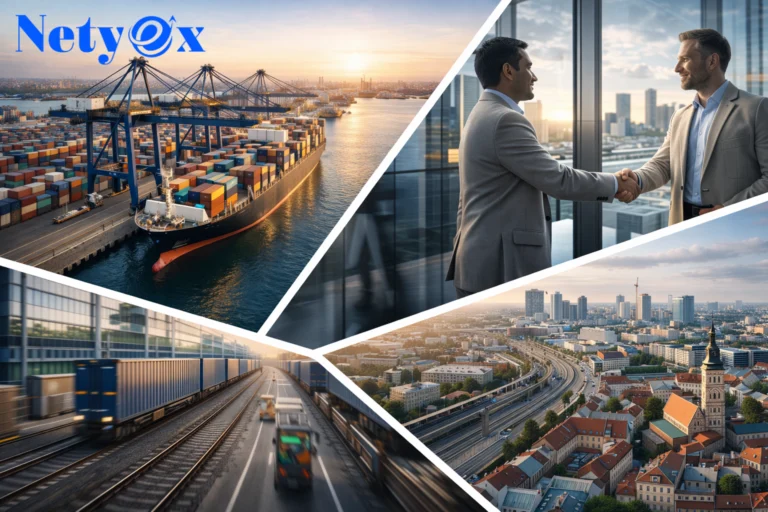
Global trade has evolved dramatically over the past few decades. Traditional trade relied heavily on manual paperwork, phone calls, and human coordination. Processes were slow and often prone to errors.
With digital transformation came electronic documentation, online marketplaces, and automated inventory systems. Now, artificial intelligence is taking this transformation even further.
AI systems can:
- Analyze large volumes of trade data instantly
- Detect patterns and trends in international markets
- Automate repetitive administrative tasks
- Reduce human errors in documentation
In short, AI has moved global trade from reactive to predictive.
Understanding Artificial Intelligence in Trade
Artificial intelligence in trade refers to machine learning, data analytics, natural language processing, and automation tools used to optimize trade operations.
These technologies help businesses:
- Forecast demand in different markets
- Optimize shipping routes
- Monitor supply chain risks
- Improve decision-making
AI systems learn from data. The more information they process, the better their predictions become. This capability is crucial in global trade, where market conditions change rapidly.
AI-Powered Supply Chain Optimization
Smarter Inventory Management
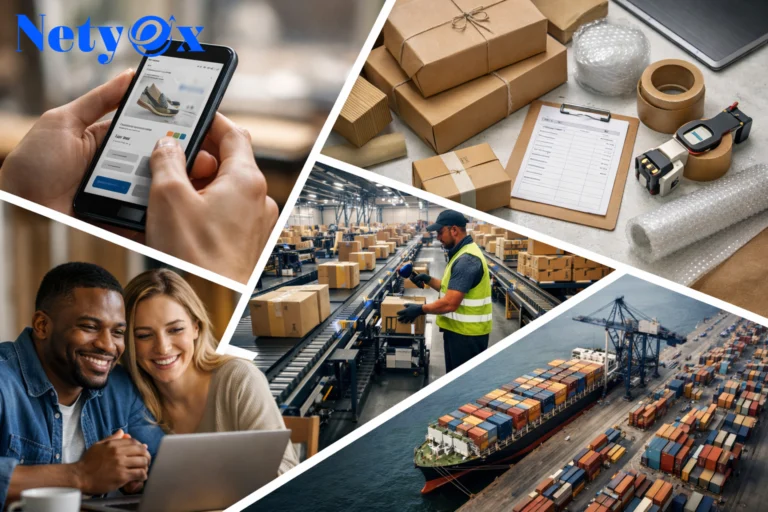
Inventory management is critical in exporting. Too much stock increases storage costs. Too little stock results in missed sales opportunities.
AI predicts demand based on:
- Historical sales data
- Seasonal trends
- Market fluctuations
- Consumer behavior patterns
This ensures exporters maintain optimal inventory levels.
Predictive Maintenance in Logistics
AI monitors shipping fleets, warehouse equipment, and transportation vehicles. It predicts mechanical failures before they occur. This reduces downtime and prevents costly delays in international shipments.
Real-Time Tracking and Visibility
AI integrates with IoT devices to provide real-time shipment tracking. Exporters can monitor goods from origin to destination, ensuring transparency and accountability.
Enhancing Customs and Compliance Processes
International trade involves strict regulations. Customs documentation errors can delay shipments and cause financial losses.
AI simplifies compliance by:
- Automatically classifying goods using tariff codes
- Verifying export documentation
- Checking sanctions and embargo lists
- Detecting potential compliance risks
By reducing paperwork errors, AI accelerates border clearance and improves operational efficiency.
Improving Demand Forecasting and Market Analysis
Understanding global market demand is essential for exporters. AI analyzes:
- Consumer purchasing patterns
- Economic indicators
- Social media trends
- Competitive activity
With predictive analytics, businesses can identify emerging markets before competitors do. This proactive approach increases export opportunities.
AI in Risk Management and Fraud Detection
Global trade carries various risks, including fraud, payment defaults, and geopolitical disruptions.
AI helps by:
- Monitoring transaction patterns
- Detecting unusual payment behaviors
- Identifying high-risk regions
- Providing early warnings for supply chain disruptions
Machine learning models continuously improve their ability to detect threats. This makes international trade safer and more secure.
Smart Logistics and Route Optimization
Shipping costs represent a major portion of export expenses. AI-powered logistics platforms analyze:
- Traffic conditions
- Weather patterns
- Fuel costs
- Port congestion
Based on this data, AI recommends the most efficient shipping routes. This reduces transit time and lowers transportation costs.
For exporters, this means faster deliveries and improved customer satisfaction.
Automation of Trade Documentation
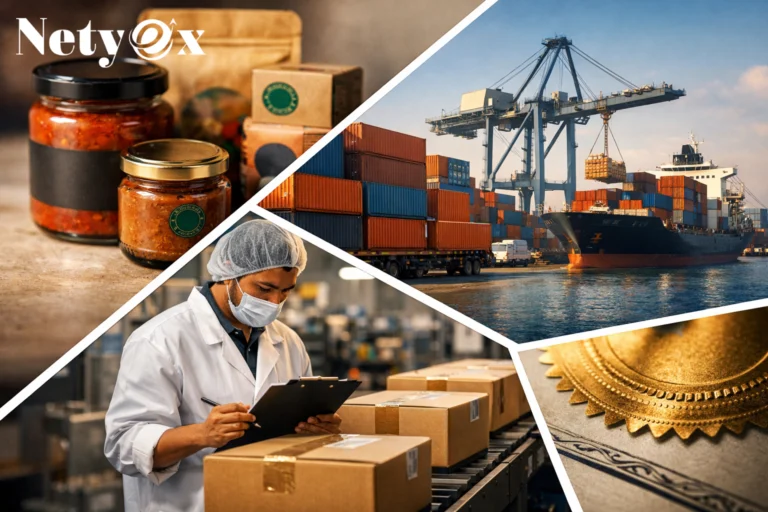
Exporting involves numerous documents such as invoices, bills of lading, certificates of origin, and customs declarations.
AI automates:
- Data entry
- Document verification
- Translation of trade documents
- Digital document processing
This reduces administrative workload and speeds up international transactions.
AI-Driven Pricing Strategies
Pricing products in global markets is complex. Currency fluctuations, tariffs, and competitor pricing all influence final costs.
AI systems analyze:
- Exchange rate trends
- Market demand
- Competitor pricing data
- Historical sales performance
Using this information, businesses can dynamically adjust prices for maximum profitability.
Enhancing Customer Experience in International Trade
AI-powered chatbots and virtual assistants provide instant support to international buyers. They can:
- Answer product inquiries
- Track shipments
- Provide customs updates
- Handle multilingual communication
This improves customer trust and strengthens global business relationships.
Blockchain and AI Integration in Exporting
When combined with blockchain technology, AI enhances transparency in trade transactions.
Benefits include:
- Secure digital contracts
- Fraud-resistant payment systems
- Verified shipment records
- Tamper-proof documentation
Together, AI and blockchain create a more trustworthy global trade ecosystem.
Sustainability and Green Trade with AI
Environmental concerns are becoming increasingly important in global commerce.
AI helps exporters:
- Reduce carbon emissions through route optimization
- Minimize waste in supply chains
- Optimize packaging efficiency
- Monitor energy consumption
Sustainable trade practices not only protect the environment but also improve brand reputation.
Challenges of Implementing AI in Global Trade
While AI offers tremendous advantages, there are challenges:
- High implementation costs
- Data privacy concerns
- Integration with legacy systems
- Skill gaps in workforce
However, as technology becomes more accessible, these challenges are gradually decreasing.
The Future Outlook: What Lies Ahead?
The future of global trade will be deeply connected to artificial intelligence.
We can expect:
- Fully automated ports
- AI-driven autonomous cargo ships
- Smart contracts for international trade agreements
- Real-time global trade analytics dashboards
Businesses that adopt AI early will gain a competitive edge in international markets.
Frequently Asked Questions (FAQs)
1. What does AI do in global trade?
AI automates processes, predicts demand, manages risks, and optimizes logistics to improve efficiency in international trade.
2. How does AI help exporters?
It assists with inventory management, customs compliance, pricing strategies, and market forecasting.
3. Is AI expensive for small exporters?
Costs vary, but many cloud-based AI solutions are becoming affordable for small and medium-sized enterprises.
4. Can AI reduce shipping delays?
Yes. AI optimizes routes and predicts disruptions, reducing transit time and unexpected delays.
5. How does AI improve trade compliance?
It automatically verifies documentation and checks regulations to reduce errors and penalties.
6. Will AI replace human workers in trade?
AI supports human workers rather than replacing them. It handles repetitive tasks, allowing people to focus on strategic decision-making.
Conclusion
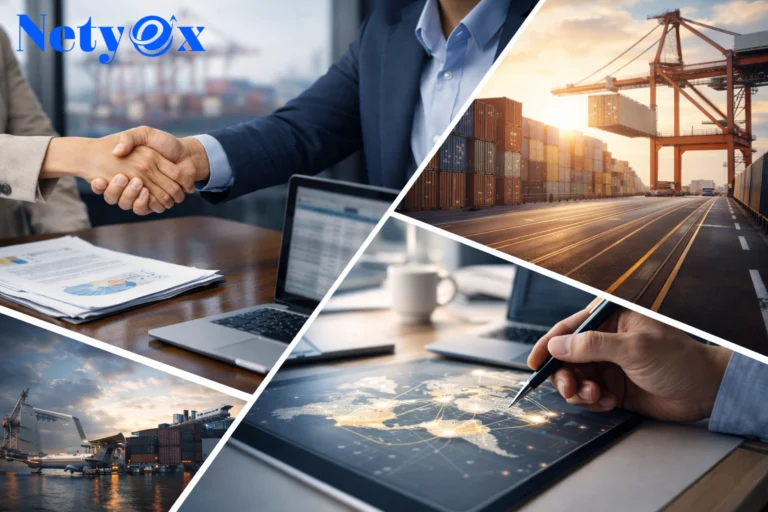
There’s no doubt that How AI is Transforming Global Trade and Exporting is one of the most important developments in modern commerce. From predictive analytics and smart logistics to automated documentation and fraud detection, AI is redefining how businesses operate internationally.
Companies that embrace AI can reduce costs, improve efficiency, minimize risks, and unlock new global opportunities. The world of trade is evolving rapidly, and artificial intelligence is leading the charge.
As technology continues to advance, the role of AI in global trade will only grow stronger. The future of exporting is intelligent, automated, and data-driven—and it’s already here.